
The archive
Journal
Everything published on materials, colour, technique, art history, exhibitions, and conservation — newest first.
January 2026

Why Some Lines Feel Alive and Others Feel Dead
Line weight, speed, pressure, and continuity determine whether marks feel alive or dead. Gestural energy, tool response, and physical commitment create lines that record movement and intention, not just outlines.

The Only Color Theory Guide You Actually Need
Color theory isn't rules to memorize but frameworks for understanding how wavelengths, perception, and mixing actually work. Hue, value, saturation, temperature, bias, and context determine whether color serves concepts or just decorates surfaces.
Machine Learning for Generative Art Without the Hype
Machine learning does sophisticated pattern matching and statistical generation, not magic. Understanding when it's actually useful versus when simpler approaches work better cuts through hype and enables critical use as artistic tool.

Phenomenology for Artists: Merleau-Ponty's Ideas Applied to Studio Practice
Merleau-Ponty wrote about perception, embodied experience, and how meaning emerges through our bodies encountering the world. His phenomenology gives artists rigorous framework for working with perception as primary material.
Collaborating With Musicians When You're a Visual Artist
Musicians think temporally. Visual artists think spatially. Successful collaboration requires understanding both practices, communicating clearly without micromanaging, and building relationships where sound and visuals genuinely integrate.
Why Musicians Should Think Like Visual Artists About Space and Installation
Concert halls trap music in time. Installation lets sound occupy space like sculpture. Musicians who think architecturally about acoustics, visitor movement, and site-specificity create work that concerts can't accommodate.
Advertisement
More from the journal
- Why Your Paintings Look Muddy and How to Fix Color Mixing ProblemsWhy paintings look muddy and how to fix color mixing problems. The science of chromatic neutralization, pigment transparency, and value control in mixing.
- How Pointillism Exploits Optical Mixing vs Pigment MixingThe science behind pointillism's optical color mixing. Why Seurat's dots work at distance but fail up close, and what retinal mixing actually achieves versus theory.
- Why Titanium White Behaves Differently Than Lead WhiteThe chemistry behind titanium white vs lead white in oil painting. Why particle size, opacity mechanisms, and drying chemistry create fundamentally different paint behavior.
Research Methods for Artists Who Want More Than Visual Inspiration
Pinterest gives you aesthetics but not ideas. Real artistic research means reading outside art, testing materials systematically, visiting archives, conducting interviews, and building knowledge that transforms your work from attractive to substantive.
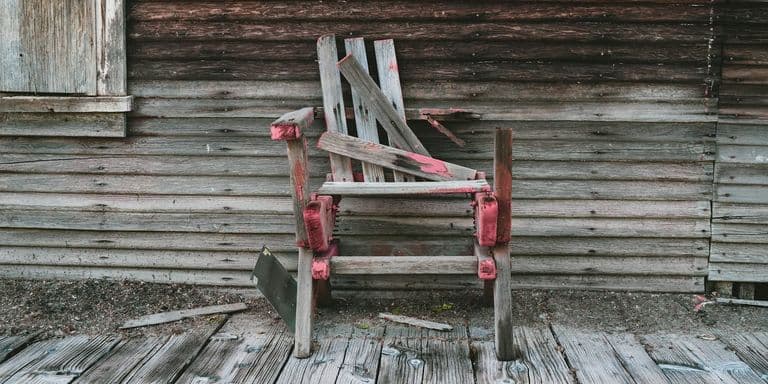
Found Objects Do Things That New Materials Can't
Rusted gears and broken furniture carry histories that new materials can't fake. Found objects bring embedded meaning, authentic wear, and cultural weight to sculpture, but only when you understand what they actually do beyond being free material.
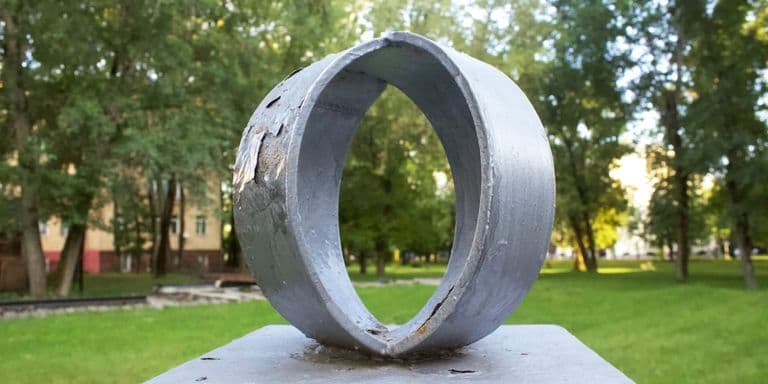
What Actually Survives Outside: Material Realities of Outdoor Sculpture
Rain, sun, freezing, and vandalism destroy outdoor sculpture constantly. Learn which materials actually survive, how weather degrades everything, what protective coatings do and don't prevent, and why bronze still dominates public art.
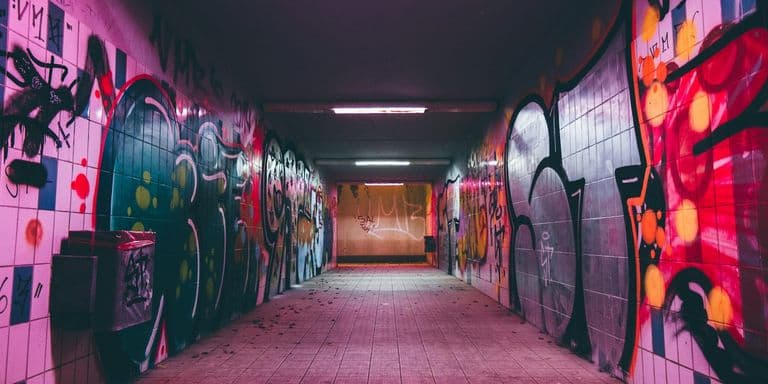
Street Art's Awkward Journey From Illegal Walls to White Cube Galleries
Street art moved from illegal walls to museum exhibitions and million-dollar auctions. Learn what's lost when transgressive public work becomes gallery commodity, how gentrification uses street art, and whether the practice means anything distinct anymore.

Making Sculpture From Light, Sound, and Things You Can't Touch
Light, sound, and atmosphere create sculpture without objects. Learn when immaterial elements serve concepts better than physical materials, what technical skills you need, and how to make work that exists as experience rather than thing.

Why Ceramics Struggles for Respect in Contemporary Art (And Why That's Changing)
Ceramics fights for contemporary art recognition despite persistent craft stigma. Learn why clay struggles institutionally, which artists are changing that, and how to navigate the ceramic artist's complicated professional path.
Advertisement
More from the journal
- Why Your Paintings Look Muddy and How to Fix Color Mixing ProblemsWhy paintings look muddy and how to fix color mixing problems. The science of chromatic neutralization, pigment transparency, and value control in mixing.
- How Pointillism Exploits Optical Mixing vs Pigment MixingThe science behind pointillism's optical color mixing. Why Seurat's dots work at distance but fail up close, and what retinal mixing actually achieves versus theory.
- Why Titanium White Behaves Differently Than Lead WhiteThe chemistry behind titanium white vs lead white in oil painting. Why particle size, opacity mechanisms, and drying chemistry create fundamentally different paint behavior.