Art
Why Some Glaze Recipes Fail at Different Kiln Temperatures
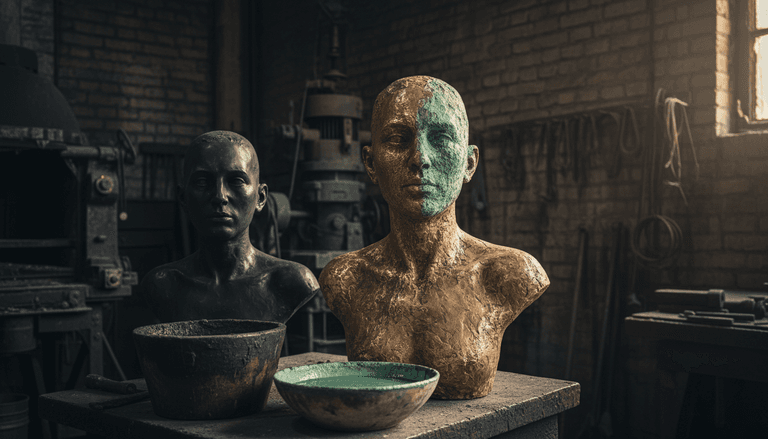
Why ceramic glazes fail at wrong temperatures. The chemistry of eutectic melting, flux behavior, and how cone 6 glazes can't work at cone 10 or vice versa.
Art
Why ceramic glazes fail at wrong temperatures. The chemistry of eutectic melting, flux behavior, and how cone 6 glazes can't work at cone 10 or vice versa.
Art
Newcastle's artist-run galleries operate in post-industrial spaces along the Quayside and Ouseburn Valley. Northern art scene worth the journey from London.
Art
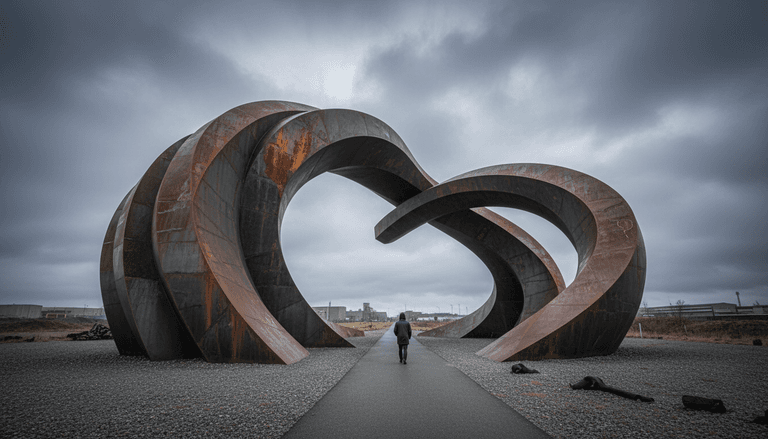
How Calder's mobiles work through angular momentum, balance points, and air currents. The physics and engineering behind kinetic sculpture that actually moves.
Art
Why paintings look muddy and how to fix color mixing problems. The science of chromatic neutralization, pigment transparency, and value control in mixing.
Art
Glasgow's Southside galleries operate in converted warehouses and tenement flats beyond the city center tourist circuit. Artist-run spaces worth the journey.
Art
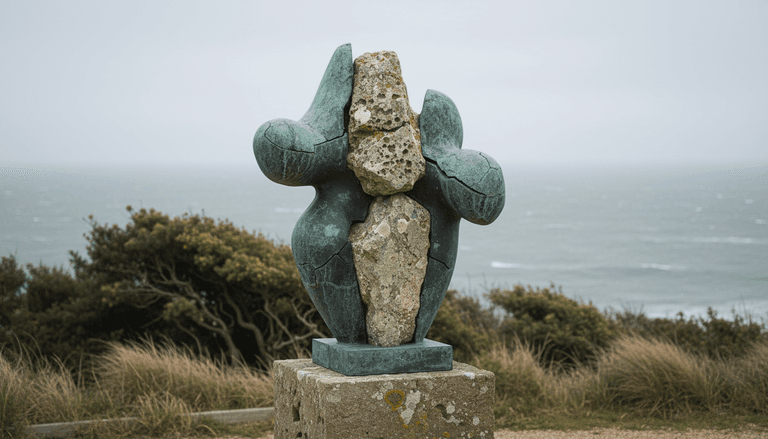
Why marble carving requires understanding crystal structure, grain orientation, and cleavage planes. The geology and materials science behind sculptural technique.
Art
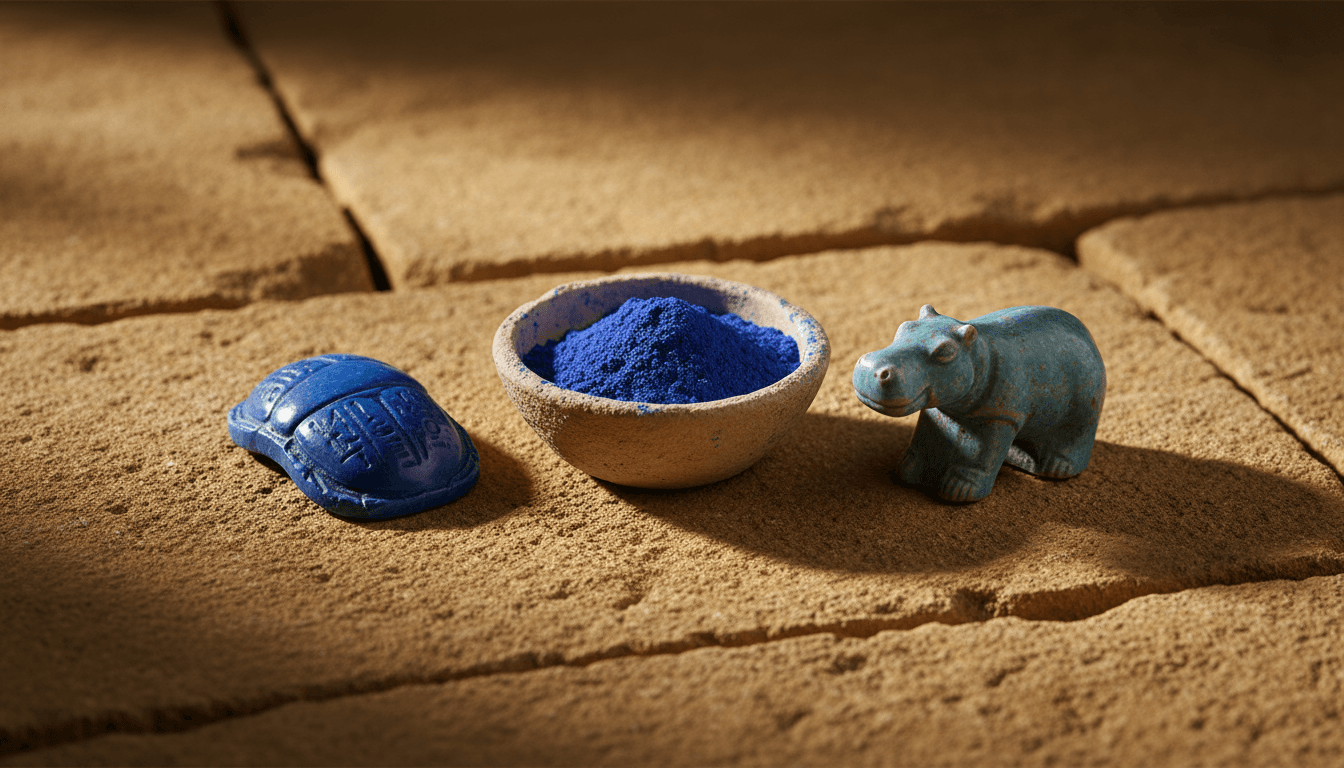
How geological processes created the pigments that colored art history. From lapis lazuli mines in Afghanistan to ochre deposits shaping cave paintings.
Color exists in your brain more than in the world. The science of color perception explains optical illusions, simultaneous contrast, and why context changes everything about how we see color.
Limited palettes force creativity and create cohesion in ways full palettes never do. Working with three to five colors teaches you more about color mixing and harmony than using everything.
Yellow is tricky because it loses its identity faster than any other color. Too much white and it disappears, too much of anything else and it turns green or orange or brown before you realize what happened.
There's a comfortable trap most artists fall into. You figure out what works and keep doing it, but somewhere in that safety, something vital dies. Why experimenting makes you a better artist isn't about being random, it's about deliberately creating conditions for discovery.
Reflects on what lies beyond art.
Why environmental art frequently misrepresents ecology, climate science, and biological systems. When good artistic intentions meet bad scientific understanding.
How optical artists use interference patterns from wave physics to create visual effects. The science behind moiré patterns, diffraction, and perceptual illusions.
Warhol's banana for Velvet Underground changed album covers from commercial packaging to fine art. How pop art infiltrated music industry design forever.
Kandinsky's synesthesia made him see colors when hearing music. How this neurological condition shaped the first abstract paintings and color-music theories.
Pueblo pottery techniques achieved results European ceramics couldn't match for centuries. Burnished surfaces, slip painting, and firing without kilns.
Why large ceramic sculptures warp and crack during drying. How clay body composition, particle size, and grog content determine whether ambitious forms survive.
Why Rothko's paintings make people cry and how large color fields trigger emotional response. The phenomenology, neuroscience, and technique behind the effect.
Religious painting color symbolism changed dramatically across centuries. Blue shifted from modest to divine, gold lost dominance, and meaning evolved with theology.
Red means aggression in Western painting but celebration in Chinese art. How cultural context changes color symbolism and what artists need to understand.
Quebec City's small galleries navigate linguistic politics and regional identity that anglophone Canada ignores. Francophone contemporary art beyond Montreal hype.
Baltimore's Station North artist-run galleries in converted rowhouses and warehouses. Complete neighborhood guide to experimental spaces DC and Philly ignore.
Manchester's Northern Quarter galleries showing work that justifies the train from London. Industrial spaces, experimental programming, and prices you can afford.