
The archive
Journal
Everything published on materials, colour, technique, art history, exhibitions, and conservation — newest first.
February 2026
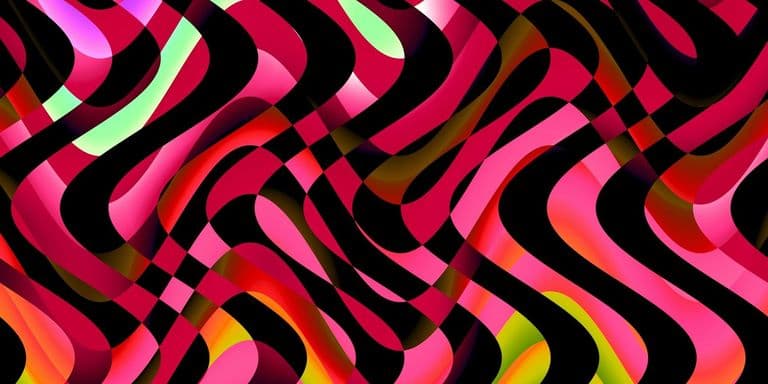
How Artists Use Interference Patterns and Wave Physics in Optical Art
How optical artists use interference patterns from wave physics to create visual effects. The science behind moiré patterns, diffraction, and perceptual illusions.
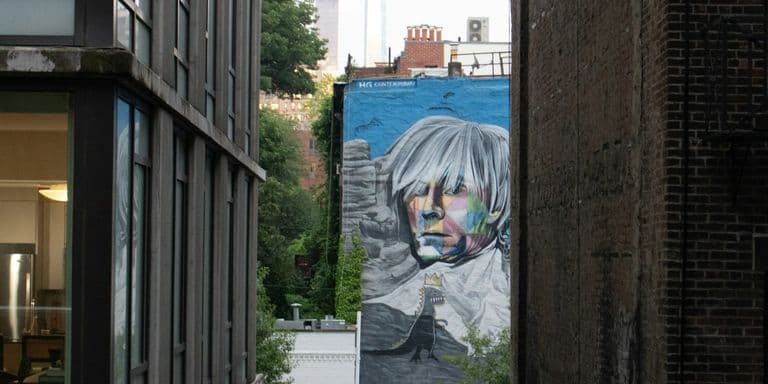
Andy Warhol's Banana and When Pop Art Became Music Packaging
Warhol's banana for Velvet Underground changed album covers from commercial packaging to fine art. How pop art infiltrated music industry design forever.
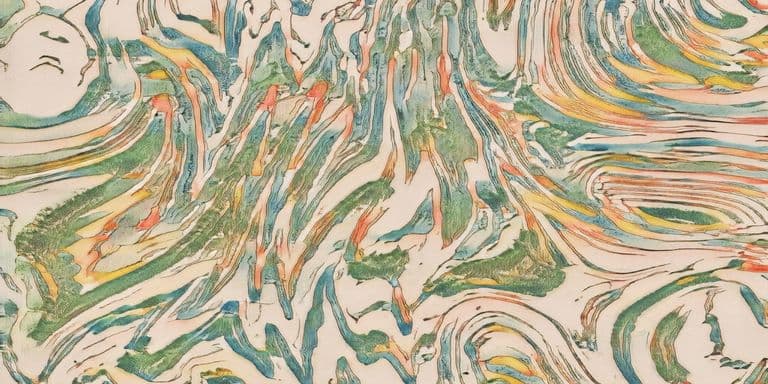
How Synesthesia Influenced Kandinsky's Abstract Paintings
Kandinsky's synesthesia made him see colors when hearing music. How this neurological condition shaped the first abstract paintings and color-music theories.
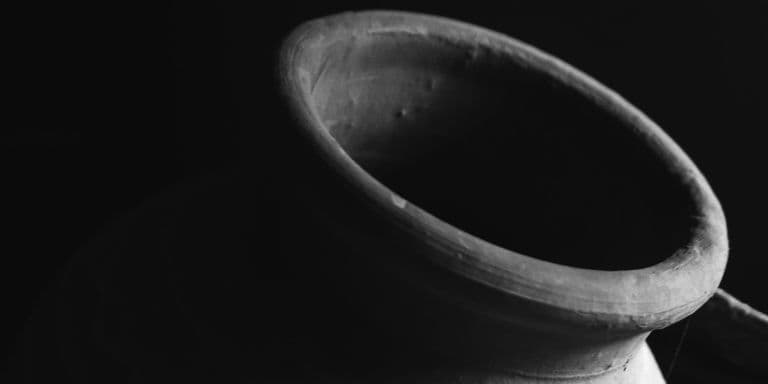
Pueblo Pottery Techniques That Predate European Ceramic Technology
Pueblo pottery techniques achieved results European ceramics couldn't match for centuries. Burnished surfaces, slip painting, and firing without kilns.

How Clay Body Composition Affects Warping in Large Sculptural Forms
Why large ceramic sculptures warp and crack during drying. How clay body composition, particle size, and grog content determine whether ambitious forms survive.
The Rothko Effect and How Large Color Fields Create Emotional Response
Why Rothko's paintings make people cry and how large color fields trigger emotional response. The phenomenology, neuroscience, and technique behind the effect.
Advertisement
More from the journal
- Why Your Paintings Look Muddy and How to Fix Color Mixing ProblemsWhy paintings look muddy and how to fix color mixing problems. The science of chromatic neutralization, pigment transparency, and value control in mixing.
- How Pointillism Exploits Optical Mixing vs Pigment MixingThe science behind pointillism's optical color mixing. Why Seurat's dots work at distance but fail up close, and what retinal mixing actually achieves versus theory.
- Why Titanium White Behaves Differently Than Lead WhiteThe chemistry behind titanium white vs lead white in oil painting. Why particle size, opacity mechanisms, and drying chemistry create fundamentally different paint behavior.
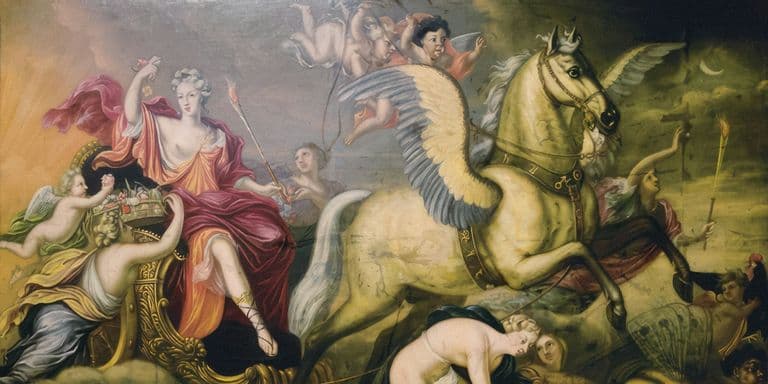
How Color Symbolism in Religious Painting Changed Across Centuries
Religious painting color symbolism changed dramatically across centuries. Blue shifted from modest to divine, gold lost dominance, and meaning evolved with theology.
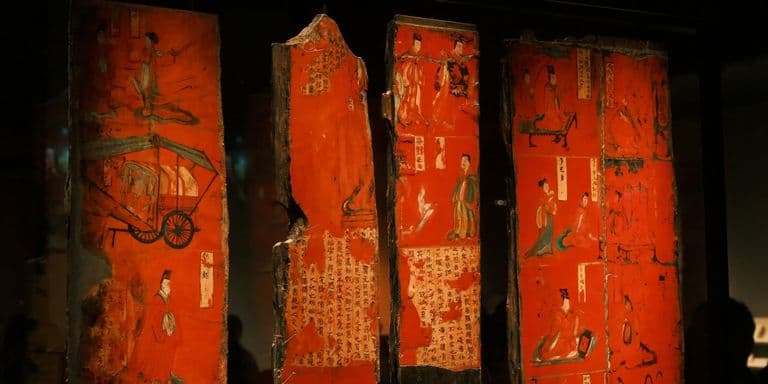
Why Red Means Different Things in Western and Chinese Painting
Red means aggression in Western painting but celebration in Chinese art. How cultural context changes color symbolism and what artists need to understand.
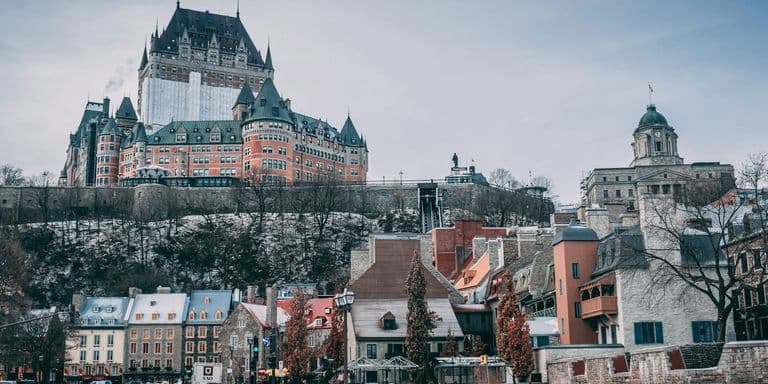
Quebec City's Small Gallery Scene: Navigating Language and Regional Art Politics
Quebec City's small galleries navigate linguistic politics and regional identity that anglophone Canada ignores. Francophone contemporary art beyond Montreal hype.
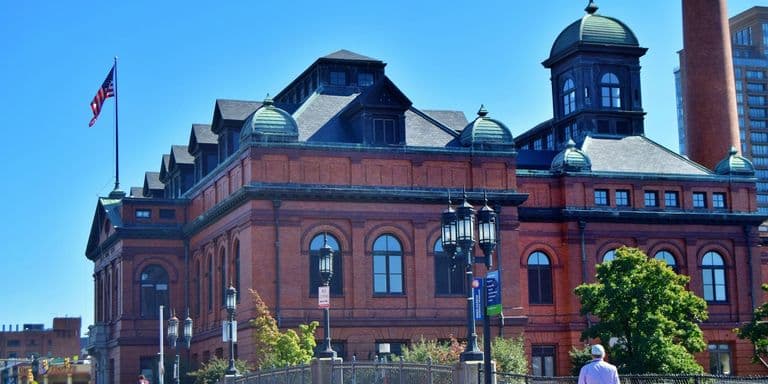
Baltimore's Station North Artist-Run Galleries: A Neighborhood Guide
Baltimore's Station North artist-run galleries in converted rowhouses and warehouses. Complete neighborhood guide to experimental spaces DC and Philly ignore.
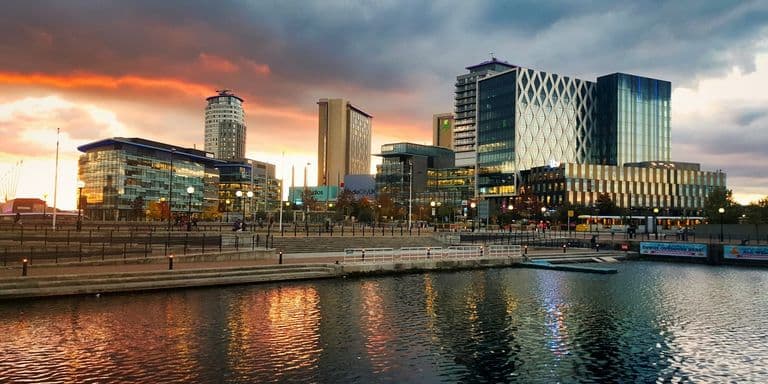
Small Galleries in Manchester's Northern Quarter Actually Worth the Train from London
Manchester's Northern Quarter galleries showing work that justifies the train from London. Industrial spaces, experimental programming, and prices you can afford.
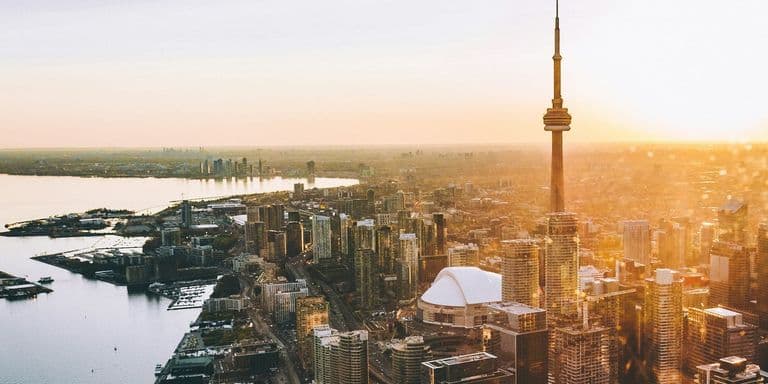
Small Artist-Run Galleries in Toronto's Junction Triangle Actually Showing Experimental Work
Toronto's Junction Triangle artist-run galleries showing experimental work that major commercial spaces won't touch. Real risk-taking in former industrial buildings.
Advertisement
More from the journal
- Why Your Paintings Look Muddy and How to Fix Color Mixing ProblemsWhy paintings look muddy and how to fix color mixing problems. The science of chromatic neutralization, pigment transparency, and value control in mixing.
- How Pointillism Exploits Optical Mixing vs Pigment MixingThe science behind pointillism's optical color mixing. Why Seurat's dots work at distance but fail up close, and what retinal mixing actually achieves versus theory.
- Why Titanium White Behaves Differently Than Lead WhiteThe chemistry behind titanium white vs lead white in oil painting. Why particle size, opacity mechanisms, and drying chemistry create fundamentally different paint behavior.