Artist-Run Galleries in Newcastle Worth Visiting Beyond London
Newcastle's artist-run galleries operate in post-industrial spaces along the Quayside and Ouseburn Valley. Northern art scene worth the journey from London.
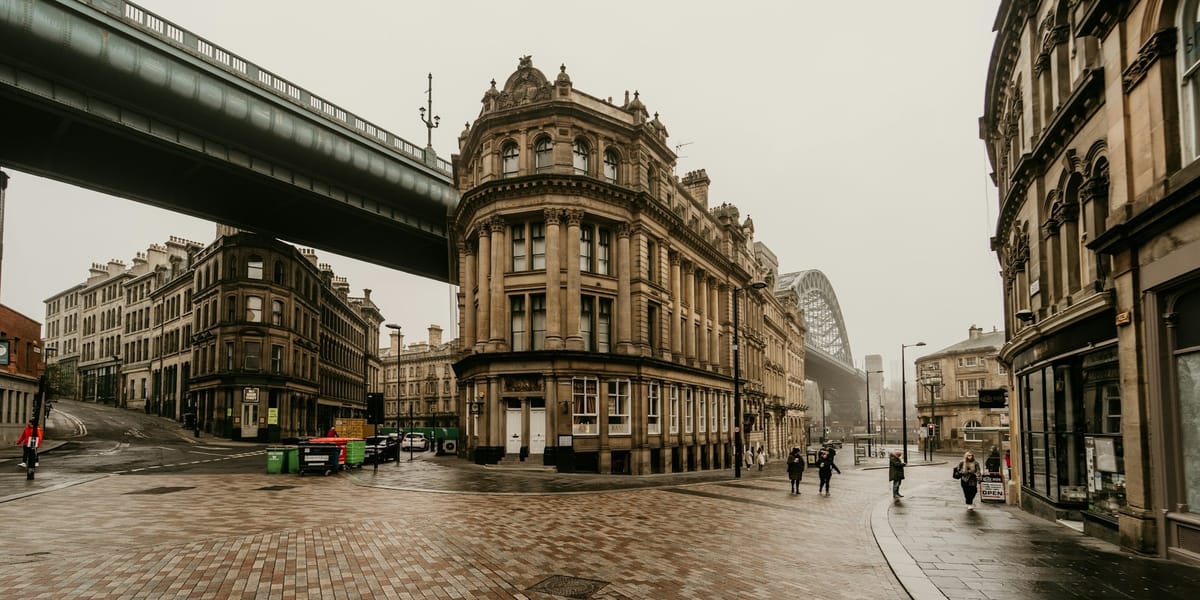
Newcastle exists in England's cultural geography as the Northern city that London pretends doesn't have an art scene despite having more artists per capita than most Southern cities, cheaper rent that allows actual studio practice, and attitude about Southern art world dominance that ranges from indifference to active resentment.
This geographic and economic positioning creates artistic ecology fundamentally different from what emerges in expensive metropolitan areas. The galleries aren't trying to attract international collectors browsing between Cork Street appointments. They serve regional artist communities, show work that London commercial galleries won't touch, and survive through minimal budgets sustained by artists who'd rather live in Newcastle on modest means than struggle for studio space in London.
The Tyne and Wear region concentrates creative activity partly through historical accident. Baltic Centre for Contemporary Art provides institutional anchor. Newcastle and Northumbria Universities maintain active fine art programs. The post-industrial architecture offers raw space. And the Geordie identity combines working-class pride with suspicion of Southern cultural gatekeepers.
The galleries cluster in two main areas: the Quayside running along the Tyne where Victorian warehouses became studios and exhibition spaces, and the Ouseburn Valley where former industrial buildings house artist studios, music venues, and experimental cultural spaces. These locations reflect economic realities—cheap rent in areas that gentrification hasn't yet fully consumed.
Finding the galleries requires acknowledging that Newcastle's cultural infrastructure operates differently than London. Opening hours are irregular, spaces double as studios, and the definition of "gallery" stretches to include project spaces, artist studios with public programs, and temporary exhibitions in unconventional venues.
The relationship to London's art world involves complicated mixture of aspiration and rejection. Some Newcastle artists want London recognition and use regional galleries as stepping stones. Others explicitly reject London validation, building careers through Northern networks and European connections that bypass the capital entirely.
Understanding Newcastle galleries requires recognizing they exist within economic and cultural contexts that shape artistic production in ways pure aesthetic analysis misses. The work addresses de-industrialization, regional identity, class politics, and Northern marginalization because these aren't abstract themes but immediate lived conditions.
The Baltic as Institutional Foundation
Baltic Centre for Contemporary Art operates at scale and budget that dwarfs artist-run spaces, but its presence fundamentally shapes Newcastle's artistic ecology.
The converted flour mill on Gateshead Quayside provides five floors of exhibition space for international contemporary art. The 2002 opening transformed the Tyne's cultural landscape by establishing serious contemporary art credentials that validated the region beyond London's traditional cultural monopoly.
The building's industrial architecture—retained concrete structure, massive open floors, spectacular river views—established aesthetic template for other Tyneside venues. The exposed post-industrial character became marker of authentic Northern cultural space rather than limitation requiring disguise.
Baltic's programming brings internationally significant artists to Newcastle while maintaining commitment to regional practitioners. This dual focus creates opportunities for local artists to show alongside established international names, providing exposure and credibility that isolated regional institutions can't offer.
The education programs, artist talks, and professional development opportunities provide infrastructure that artist-run spaces can't support independently. The relationship between Baltic and smaller galleries involves both collaboration and occasional tension around resource allocation and audience attention.
The café, restaurant, and bookshop create social infrastructure extending beyond exhibition visiting. The rooftop viewing platform overlooking the Tyne becomes meeting point for artists across various venues, building community rather than just showing art.
But Baltic's institutional scale also demonstrates what artist-run spaces deliberately reject: the bureaucracy, curatorial hierarchy, funding dependencies, and audience development imperatives that institutional operation requires. The smaller galleries operate with freedom that Baltic's institutional responsibilities prevent.
The Sage Gateshead music venue next door adds to cultural critical mass on the Quayside. The architectural investment signals serious cultural ambition, creating context where smaller galleries benefit from increased cultural tourism and artistic infrastructure.
The NewBridge Project: Artist-Led Infrastructure
NewBridge operates as artist-led organization providing studios, project space, and professional development rather than traditional gallery with regular exhibition program.
The studios in former warehouse provide affordable workspace for roughly 60 artists. The rent levels reflect recognition that creative practitioners need below-market rates to sustain artistic practice while supporting organizational operations.
The project space hosts exhibitions, performances, talks, and experimental work on irregular schedule determined by artist members rather than institutional programming calendar. This flexibility allows responding to artistic opportunities rather than maintaining predictable exhibition rhythm.
The artist-led governance means members collectively control programming, operations, and organizational direction. This democratic structure creates slower decision-making but stronger artist ownership than curator-directed institutions.
The professional development programs including workshops, critiques, and networking events serve member artists' career needs beyond just providing exhibition opportunities. This support infrastructure helps artists navigate professional pathways through contemporary art ecology.
The commissions and residencies bring outside artists to Newcastle while supporting member artists' ambitious projects. The funding facilitates work that individual artists couldn't self-finance while building NewBridge's reputation for supporting experimental practice.
The location in Ouseburn Valley places the organization within walking distance of other artist studios, music venues, and cultural spaces. This density creates ecosystem where artists encounter each other regularly rather than requiring scheduled meetings.
The open studios events several times yearly allow public access to working spaces, creating direct connection between artists and audiences without curatorial mediation. These events blur boundaries between studio visit, exhibition, and sales transaction.
The economic model combines studio rents with Arts Council England funding and earned income from workshops and events. This mixed funding creates some autonomy from pure market forces while requiring grant application bureaucracy that pure commercial operation avoids.
36 Lime Street: Commercial Gallery in Post-Industrial Space
36 Lime Street operates commercially but in rough warehouse aesthetic that signals commitment to art over luxury presentation.
The gallery occupies former industrial building near Ouseburn, maintaining exposed brick and concrete character while providing professional exhibition conditions. The unfinished aesthetic reflects Northern sensibility treating raw industrial space as more authentic than polished white cubes.
The represented artists include established Northern practitioners alongside emerging talents, creating program balancing commercial viability with artistic risk. The gallery can show challenging work because operating costs remain far below London equivalent spaces.
The programming emphasizes painting and sculpture with strong regional connections while avoiding parochialism through occasional shows by artists from elsewhere. The balance serves local community while maintaining broader artistic engagement.
The pricing reflects Northern market realities where collector base is smaller and less wealthy than London. Strong work by emerging artists might cost £800-£2,500. Mid-career regional practitioners ask £3,000-£8,000. These accessible prices allow collecting on middle-class incomes while limiting what artists can earn compared to London sales.
The gallery participates in regional art fairs and occasionally London fairs, providing exposure beyond Newcastle while representing Northern artistic production. These fair appearances position gallery and artists within broader UK contexts.
The openings draw Newcastle art community across neighborhoods, creating regular events where artists, curators, collectors, and students converge. This social function matters as much as commercial sales for sustaining artistic ecology.
The commitment to Northern artists isn't nationalism but pragmatism. The gallery owner knows regional artistic community, understands cultural context shaping production, and can identify emerging talent before London galleries notice.
Vane: Artist Collective With International Reach
Vane operates as artist collective running project space and organizing exhibitions that connect Newcastle artists to international networks.
The collective formed in 2000s by Newcastle graduates who wanted to continue collaborative practice after university. The organizational structure involves artist members collectively determining programming while individual artists pursue independent careers.
The project space in central Newcastle hosts member exhibitions alongside invited artists from UK and internationally. The programming deliberately creates dialogue between local and outside practices rather than focusing exclusively on member work.
The off-site projects include curating exhibitions in other venues, organizing international exchanges, and facilitating collaborations that extend beyond Newcastle's geographical limitations. This international orientation distinguishes Vane from purely local artist groups.
The publication program produces catalogues, artists' books, and critical writing that documents exhibitions while contributing to broader artistic discourse. The commitment to documentation ensures work receives critical attention beyond immediate viewing.
The durational projects extending over months or years allow artistic investigations that standard exhibition cycles can't accommodate. The temporal flexibility enables experimental work that conventional gallery programming would reject.
The funding through Arts Council England and European cultural programs supports ambitious projects while maintaining artist control. The grants enable work at scale and ambition that pure commercial operation couldn't sustain.
The evolution from informal artist group to professionally operating organization demonstrates trajectory many artist-led spaces follow. The original DIY energy persists but organizational maturity enables more ambitious programming.
The relationship to Newcastle's other galleries involves collaboration rather than competition. Vane members exhibit at commercial galleries, show at Baltic, and participate in NewBridge programs, creating interconnected artistic community.
AV Festival (Now Thinking Through...)
AV Festival operated as biennial focused on audiovisual culture, transforming into "Thinking Through..." organization producing exhibitions and events addressing technology and contemporary life.
The festival history from 2003-2016 established Newcastle as significant site for new media, sound art, video installation, and experimental audiovisual practice. The programming brought international artists working with time-based and electronic media to venues across Tyneside.
The transformation to Thinking Through... organization reflects broader shifts in how project-based organizations operate. Rather than biennial cycle, ongoing programming allows sustained engagement with ideas and artists.
The focus on how technology shapes contemporary experience addresses urgent questions about digital culture, artificial intelligence, surveillance, and mediated existence. The artistic investigations parallel academic and journalistic engagement with these themes.
The exhibition venues vary from Baltic to smaller project spaces to public interventions. This spatial flexibility allows matching projects to appropriate contexts rather than forcing everything into single venue.
The commissioning approach supports new work rather than just showing existing pieces. The artists develop projects specifically for Newcastle contexts and exhibition parameters.
The critical framework involves symposia, publications, and public programs that contextualize artistic practice within broader cultural and theoretical discourse. The organization treats exhibitions as opportunities for knowledge production rather than pure aesthetic experience.
The funding challenges facing project-based organizations appear in Thinking Through...'s evolution. The biennial model's intensive resource demands gave way to more sustainable ongoing programming.
The Late Shows: Annual Open Studios Event
The Late Shows operate as coordinated open studios and exhibition event across Newcastle-Gateshead cultural venues each May.
The format involves extended evening hours across 30+ venues including Baltic, commercial galleries, artist studios, music venues, and cultural spaces. The public can visit multiple locations in single evening through coordinated schedule.
The artist studios participation provides rare access to working spaces usually closed to public. The studios reveal artistic process, work in development, and direct artist interaction impossible in gallery contexts.
The commercial galleries gain exposure to audiences who might not visit during regular hours. The extended hours and event atmosphere attract visitors who experience gallery-going as special occasion rather than routine activity.
The coordination across venues creates critical mass that individual spaces couldn't generate alone. The event becomes destination worthy of travel from outside Newcastle rather than incidental gallery visit.
The economic impact includes art sales, restaurant and bar business, and tourism to Newcastle. The cultural programming generates economic activity while maintaining artistic integrity.
The accessibility emphasis through free admission, extended hours, and welcoming atmosphere reduces barriers that prevent many people from engaging with contemporary art. The event atmosphere makes art spaces feel approachable.
The branding as Northern cultural event distinguishes Newcastle-Gateshead's offering from London-centric art world. The regional pride creates cultural identity beyond simply imitating Southern models.
The challenges include coordinating diverse venues with different operational capacities, maintaining quality across varied participants, and sustaining volunteer effort required for organization.
Star and Shadow Cinema: Artist-Run Film and Moving Image
Star and Shadow operates as volunteer-run cinema showing independent film, artist moving image, and experimental work in former pub in Ouseburn.
The cinema programming emphasizes work excluded from commercial distribution: experimental film, artist video, political documentaries, and international cinema without major distributor backing.
The volunteer operation reflects radical commitment to non-commercial cultural production. No one gets paid, decisions are collective, and ticket prices remain accessible. This model enables programming that commercial cinemas can't sustain.
The building's informal atmosphere—retained pub furniture, mismatched seating, rough aesthetics—creates unpretentious viewing environment different from slick commercial multiplexes or precious art house venues.
The artist moving image screenings provide crucial exhibition context for time-based work that conventional galleries struggle to show properly. The cinema setting with darkened room and focused attention suits video art better than gallery white cube with ambient light and distracted viewers.
The workshops and production support help artists working with film and video access equipment and technical knowledge. This infrastructure building matters as much as exhibition programming.
The bar operation provides social space and modest revenue supporting cinema operations. The drinking culture integral to Newcastle social life shapes how the venue functions.
The community ownership through cooperative structure means members collectively control programming and operations. This prevents single programmer's vision from dominating while requiring consensus building.
The preservation of independent cinema culture matters particularly as commercial distributors consolidate and small cinemas close. Star and Shadow maintains alternative exhibition infrastructure.
Workplace Gallery: Artist Studios With Public Programming
Workplace operates primarily as artist studios but hosts regular exhibitions and events in ground-floor gallery space.
The studio model means artists working in the building control programming rather than external curators or commercial interests. This creates exhibitions reflecting studio members' networks and interests.
The building in Gateshead near Baltic provides affordable workspace for artists who need studio access to sustain practice. The proximity to Baltic creates convenient relationship between institutional and artist-run spaces.
The exhibitions change roughly monthly, maintaining regular programming while allowing flexibility around members' schedules and artistic development. The pace reflects commitment to sustained exhibition activity.
The project-based approach allows ambitious one-off exhibitions or events that don't fit conventional gallery cycles. The programming can respond to specific opportunities rather than maintaining predictable season.
The workshop and education programs generate revenue while building relationships with communities beyond immediate art world. This expanded engagement serves both practical and ideological purposes.
The challenges of collective governance appear in coordinating among autonomous artists with different priorities, aesthetic approaches, and available time. The cooperative structure requires ongoing negotiation.
The relationship to Newcastle's institutional venues involves both collaboration and independence. Workplace artists exhibit at Baltic or commercial galleries while maintaining base in artist-controlled space.
The Commercial vs Artist-Run Spectrum
Newcastle galleries exist along spectrum from purely commercial to entirely artist-led, with many occupying hybrid positions.
The commercial galleries (Biscuit Factory, Laing Art Gallery's contemporary program) operate through sales and institutional funding, showing work selected for market appeal or curatorial vision rather than artist self-organization.
The artist-run spaces (NewBridge, Vane, Workplace) maintain artist control over programming while pursuing various funding models from studio rents to grants to sales commissions.
The hybrid models combine commercial activity with artist governance or mix grants with sales revenue. These intermediate forms allow some market engagement while maintaining curatorial independence.
The spectrum reflects practical recognition that pure models rarely work. Purely commercial operation struggles in Newcastle's limited market. Purely grant-funded operation depends on unstable public funding. Entirely volunteer operation burns out participants. Most successful spaces combine approaches.
The Northern context affects this spectrum differently than London. The smaller collector base means commercial galleries can't operate purely through sales. The grant funding recognizes regional economic disparities. The volunteer culture reflects both idealism and economic necessity.
Visiting Logistics and Regional Context
The practical reality of visiting Newcastle galleries requires planning different from London's concentrated gallery districts.
The transportation from London involves roughly 3-hour train journey from King's Cross to Newcastle Central. The advance tickets cost £30-£80 depending on booking timing and flexibility. The journey makes day trip possible but tight for multiple gallery visits.
The local transportation combines excellent Metro system connecting Newcastle and Gateshead across the Tyne with walking for most gallery visiting. The Quayside and Ouseburn concentrations are walkable from Metro stops.
The irregular hours require checking websites or social media before visiting. Many artist-run spaces open by appointment or during specific events rather than maintaining gallery hours. This filters casual tourists while building intentional audience.
The accommodation costs substantially less than London. Budget hotels and hostels provide accessible options for overnight visits allowing more comprehensive gallery coverage.
The food and drink scene includes excellent value pubs, diverse international restaurants reflecting Newcastle's student population, and Quayside establishments catering to cultural tourists. The costs remain dramatically lower than London equivalents.
The Late Shows in May provide concentrated gallery access ideal for visitors. The single evening covers multiple venues during coordinated hours with special programming.
The Edinburgh visitor could combine Newcastle visit with broader Northern England cultural tourism. The journey from Edinburgh to Newcastle takes 90 minutes by train, making overnight visit very feasible.
The international visitor might include Newcastle in broader UK itinerary but rarely as primary destination. The galleries attract regional and national rather than international tourism.
The Economic Reality Beyond Romantic Narratives
The tendency to romanticize Northern post-industrial artistic communities obscures harsh economic realities these galleries navigate.
The volunteer labor sustaining many venues represents unpaid work by artists who also need income from other sources. The gallery work competes with studio practice, teaching, and whatever employment supports artistic work.
The funding uncertainty means programming decisions often depend on whether grants materialize rather than coherent curatorial vision. The project-by-project survival creates instability affecting long-term planning.
The precarity extends to spaces themselves. Short-term leases, redevelopment threats, and rent increases mean galleries can disappear suddenly when economic conditions shift. Ouseburn has experienced repeated gentrification pressures as successful creative community makes the area attractive to property developers.
The brain drain to London affects Newcastle's artistic ecosystem. Graduates from Newcastle and Northumbria universities often move to London for career opportunities despite preferring to stay. The economic pull of the capital undermines regional cultural development.
The health impacts of sustained precarity, cold studios, and uncertain futures affect artists running these spaces. The creative work occurs despite rather than supported by economic conditions.
The disability access in many spaces reflects both building limitations and resource constraints. The converted industrial buildings often lack elevators, have narrow doorways, and present mobility barriers that resources don't exist to remediate.
The mental health challenges of maintaining artistic practice in economically adverse conditions rarely get acknowledged in celebratory narratives about vibrant creative communities.
What Makes Newcastle Different From London
The specific character distinguishing Newcastle galleries from London venues reflects economic, geographic, and cultural factors creating distinct artistic ecology.
The Northern working-class identity shapes both artistic content and gallery operations. The spaces exist within communities experiencing post-industrial economic challenges rather than standing apart from these realities as cultural amenities for wealthy residents.
The distance from London commercial pressures creates freedom to show work without market considerations. The indifference to Cork Street validation enables genuine experimentation.
The cheap space allows larger, more ambitious work than expensive London galleries could accommodate. The rough warehouse character suits particular Northern aesthetic that polished Mayfair galleries would undermine.
The artist control over most venues means programming reflects artist priorities rather than collector demands or institutional agendas. This autonomy creates direct connection between artistic practice and exhibition programming.
The Geordie attitude combines regional pride, working-class solidarity, political radicalism, and dark humor that permeates the gallery scene. The work addresses serious concerns without Southern pretension.
The relationship to regional identity operates through complex mix of pride in Northern culture, resistance to London dominance, and critical engagement with regional myths and stereotypes.
The collaborative culture reflects both ideological commitment to mutual support and practical necessity. Artists can't sustain practices individually that they can collectively maintain.
The European connections often bypass London entirely. Newcastle's proximity to Scotland and ferry links to Scandinavia create networks that don't route through the capital. This geographic position enables international engagement without London gatekeeping.
The Post-Brexit Uncertainty
The UK's departure from European Union affects Newcastle galleries' international programming and funding more severely than London institutions with established international reputations and resources.
The loss of European funding programs including Creative Europe grants eliminated significant support for international exchanges and collaborative projects. The replacement UK funding doesn't match previous European program scale.
The visa complications for European artists create barriers to residencies and exhibitions that were straightforward under free movement. The administrative burden and costs of bringing artists from Europe increase substantially.
The professional mobility restrictions affect Northern artists more than London-based practitioners. The informal economy of short-term European residencies, teaching exchanges, and collaborative projects that sustained many careers becomes legally complicated and expensive.
The symbolic separation from European cultural networks concerns galleries that built identities partly through European rather than London connections. The Brexit realignment reinforces UK internal hierarchies that Northern spaces resisted through European engagement.
The economic impacts on Newcastle's overall economy affect arts infrastructure indirectly. The post-Brexit economic challenges compound existing regional inequalities that artistic communities navigate.
The immigration politics surrounding Brexit created hostile environment affecting Newcastle's international student population and diverse communities that cultural spaces serve.
The uncertain future means programming several years ahead becomes difficult when funding sources, immigration rules, and economic conditions remain unstable.
The Stubborn Persistence
Despite economic challenges, funding uncertainties, and marginal position relative to London's art world dominance, Newcastle's artist-run galleries persist through commitment that refuses Southern cultural monopoly.
The spaces exist because artists insist on making and showing work in Newcastle rather than accepting that serious careers require London relocation. This stubbornness builds alternative artistic economy outside capital-centric model.
The intergenerational transmission continues as Newcastle and Northumbria graduates stay in the region, take studios, join collectives, and sustain spaces that enable following generations to do the same.
The pride in Northern cultural production resists narratives positioning London as inevitable destination for ambitious artists. The alternative pathways through regional, European, and international networks demonstrate career possibilities beyond Southern gatekeeping.
The artistic content addressing regional identity, de-industrialization, working-class experience, and Northern marginalization emerges authentically from these contexts rather than being imposed by external curatorial agendas.
The galleries provide infrastructure that allows artists to work seriously without London's costs, pressures, and hierarchies. This infrastructure matters for sustaining diverse artistic production across UK rather than concentrating everything in the capital.
The Southern visitor to Newcastle galleries encounters artistic communities that don't seek London validation, operate by different economic and social logics, and produce work shaped by regional conditions that London galleries typically ignore. The stubborn insistence on Northern creative autonomy creates artistic ecology worth the three-hour train journey to experience.