Baltimore's Station North Artist-Run Galleries: A Neighborhood Guide
Baltimore's Station North artist-run galleries in converted rowhouses and warehouses. Complete neighborhood guide to experimental spaces DC and Philly ignore.
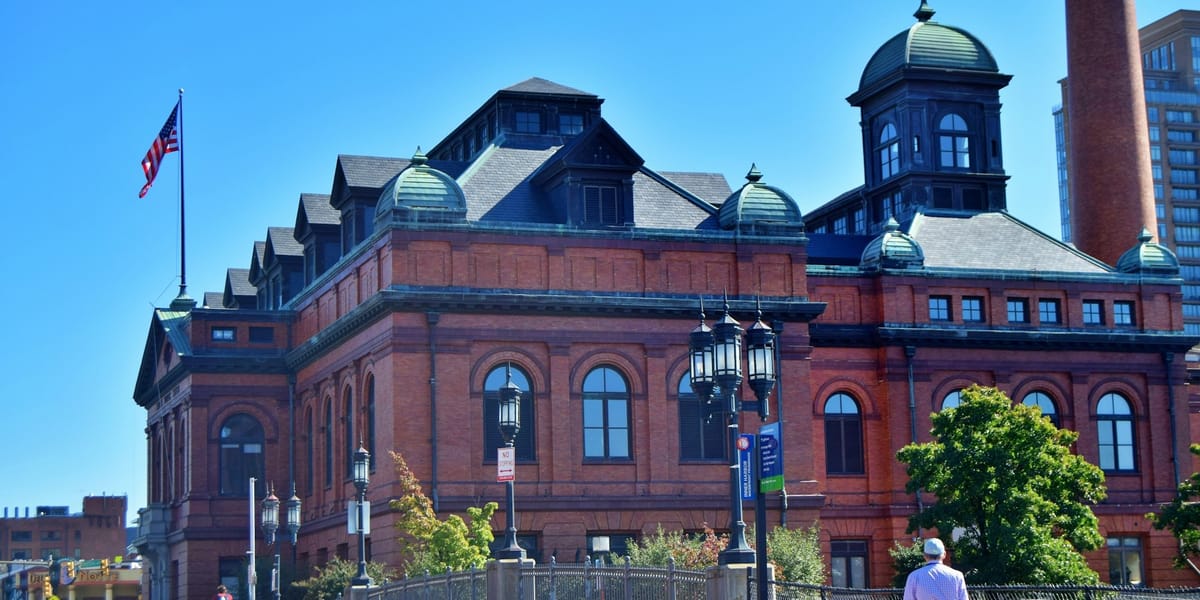
Station North runs along the axis of North Avenue and Charles Street, a few blocks northeast of Baltimore's downtown core where the city transitions from corporate office towers to residential neighborhoods showing visible economic stress.
The Arts and Entertainment District designation happened in 2002. Tax incentives for artists. Zoning changes to permit live-work spaces. Municipal acknowledgment that creative activity might revitalize what decades of disinvestment had damaged.
Twenty years later, the designation's legacy is complicated.
The artist-run galleries that matter operate in rowhouses, former storefronts, and marginal commercial spaces where rent remains low enough that artists can actually afford to maintain exhibition venues without corporate sponsorship or wealthy benefactors. These spaces show work that MICA students make, that artists priced out of DC create, that practitioners too experimental for commercial viability produce.
The neighborhood's geography compresses everything within walkable distance. From the Charles Theatre at the southern end to the train station at the northern boundary takes maybe fifteen minutes on foot. The galleries, studios, music venues, and bars cluster along this corridor and the surrounding blocks, creating density that makes coordinated gallery nights viable and chance encounters probable.
Baltimore exists in the shadow of DC and within day-trip distance of Philadelphia and New York. This positioning creates both challenge and opportunity. The city can't compete with those markets for collector attention or institutional resources. But it also doesn't suffer their rent inflation or commercial pressure, creating conditions where experimental practice survives.
The Economic Reality That Makes Station North Possible
Rowhouse spaces in Station North rent for $800 to $1,500 monthly depending on condition and exact location. That's total rent, not per-bedroom splits.
Compare that to DC's U Street corridor where similar footage costs $3,000 to $5,000. Or Philadelphia's Fishtown at $2,000 to $3,500. Or Brooklyn at prices that don't merit mentioning because they're absurd.
This differential means artists can maintain both living space and separate gallery/studio space on income from part-time teaching, service industry work, or freelance design. The economic equation allows for artistic practice without trust funds or partners in finance.
The property ownership patterns matter. Many buildings are held by landlords who haven't updated anything since the 1970s. Neglect means affordable rent but also means spaces require significant work to become functional galleries. Artists do the renovations themselves, investing sweat equity in exchange for below-market leases.
The tax incentives for artists living and working in the district provide modest but meaningful savings. A few hundred dollars annually matters when you're operating on thin margins. The homestead tax credit for artists who purchase property has enabled some practitioners to buy rowhouses outright, creating stability impossible in rental markets.
The collector base consists primarily of Baltimore professionals, Hopkins faculty, and people connected to the city's artistic community. Not wealthy by DC or New York standards. But committed to supporting local practice through actual purchases rather than just attending openings for free wine.
The institutions provide minimal direct support but create context. MICA's presence means constant influx of students and recent graduates. The BMA and Contemporary occasionally program artists showing in Station North spaces, creating validation pipeline. The Windup Space and other music venues draw audiences who also attend gallery openings.
The city government's relationship to the arts district remains ambiguous. The designation brought some infrastructure improvements and continued tax breaks. But substantive investment in affordable housing, transit, or small business support hasn't materialized at scale that would transform economic fundamentals.
Station North exists because artists make it exist, not because city planning created ideal conditions.
The School 33 Art Center Foundation
School 33 occupies a former elementary school building, maintaining the institutional architecture while converting classrooms to studios and exhibition spaces. The building's scale allows for programming impossible in rowhouse galleries.
Not artist-run in the collective governance sense. But operated as nonprofit with mission serving artist community rather than generating commercial returns.
The main gallery spaces show rotating exhibitions by regional and national artists, often providing first significant institutional platform for practitioners who haven't broken into museum circuit. The programming spans painting, sculpture, installation, video, and performance, unified more by artistic merit than aesthetic coherence.
The studios on upper floors house working artists paying below-market rates for spaces with good light, decent square footage, and the legitimacy of operating from established arts institution. The studio residents form community that extends beyond individual practices, sharing equipment, expertise, and occasional collaborations.
The open studios events twice yearly transform the entire building into exhibition space. Visitors move between studios seeing work in development, talking directly with artists, understanding practices through accumulated materials and process. This access creates different engagement than finished gallery presentations permit.
School 33 also runs educational programming, workshops, and community events that fulfill nonprofit mission requirements while genuinely serving local needs. The ceramics studio offers equipment access that individual artists couldn't afford. The printmaking facilities provide technical resources rare in artist-run contexts.
The exhibitions often include artists who previously showed in smaller Station North galleries, creating progression where emerging practitioners develop through grassroots spaces then advance to School 33's larger platform. This pipeline benefits the entire ecosystem by demonstrating that sustained practice in Baltimore can lead somewhere beyond perpetual emergence.
The building's institutional character creates different viewing experience than intimate rowhouse galleries. The high ceilings, long corridors, and classroom-turned-gallery spaces feel more like museum annexes than artist-run experiments. This professionalization matters for artists needing documentation and credibility that scrappier venues can't provide.
The nonprofit funding model means School 33 survives through grant applications, fundraising, and studio rental income rather than exhibition sales. This removes commercial pressure from programming decisions while creating dependency on continued grant funding and donor support.
The Crown: Rowhouse Gallery as Social Space
The Crown operates out of converted rowhouse on North Avenue, maintaining residential scale while functioning as gallery, performance venue, and gathering space for Station North's artistic community.
The front room serves as main gallery, barely 200 square feet of exhibition space. The constraint forces curatorial economy. Shows typically feature solo presentations or very small group exhibitions where each piece receives sustained attention rather than competing for wall space.
The back rooms and upstairs function as social space during openings, with people spilling throughout the house, sitting on stairs, talking in bedrooms converted to temporary seating areas. This domestic integration makes openings feel more like house parties than formal gallery receptions.
The programming emphasizes emerging Baltimore artists, particularly recent MICA graduates and artists working in the neighborhood. The curatorial vision values risk-taking and investigation over polish and commercial viability. You'll see work that might fail spectacularly, which means you also see work taking genuine chances.
The Crown also hosts performances, readings, film screenings, and music events that activate the space beyond static exhibitions. The programming resists categorization, embracing hybrid practices that don't fit neat disciplinary boundaries. A poetry reading might include visual projections. A music performance might incorporate installation elements.
The openings coordinate with other Station North galleries, creating concentrated evenings when multiple venues debut new shows simultaneously. This clustering matters because it creates critical mass that draws people from DC, Philadelphia, and other cities who wouldn't travel for single gallery opening.
The collective running The Crown rotates members and responsibilities, preventing burnout while maintaining institutional knowledge through overlapping participation. This governance model acknowledges that running gallery on volunteer labor requires distributing effort across multiple people.
The space maintains minimal online presence, relying on word-of-mouth and direct communication with interested parties. This low-tech approach suits the intimate scale and local focus. The people who need to know about The Crown already do, and those who don't probably wouldn't travel to Station North anyway.
The financial model depends entirely on volunteer labor and minimal operating costs. No paid staff. No grant funding to manage. Just artists committed to maintaining space where work they care about can exist publicly. This purity creates fragility but also freedom from bureaucratic requirements or funder expectations.
The Motor House: Hybrid Arts Hotel Model
Motor House operates primarily as boutique hotel but includes gallery space and programming that makes it relevant to Station North's arts infrastructure.
The gallery occupies ground floor space with street visibility and professional presentation standards. The exhibitions change quarterly, showing work by Baltimore artists alongside occasional national figures. The programming skews toward accessible contemporary work that hotel guests might actually purchase rather than purely experimental practices.
This commercial orientation distinguishes Motor House from artist-run spaces committed to showing work regardless of sales potential. The gallery needs to generate revenue or at least not lose money, creating pressure toward decorative and sellable work. But within those constraints, the programming maintains quality and supports local practitioners.
The hotel rooms themselves incorporate local art, creating distributed exhibition throughout the building. Guests sleep in rooms featuring paintings, photographs, and prints by Baltimore artists. The sales generated from room displays provide income that purely gallery sales might not achieve.
Motor House also hosts artist talks, album release parties, and cultural events that activate the space beyond lodging and exhibition functions. The programming connects to Station North's broader creative community, functioning as hub rather than isolated hotel.
The bar and restaurant draw neighborhood residents alongside hotel guests, creating social mixing that benefits both audiences. Artists and locals gather in spaces also occupied by tourists and business travelers. This integration works better than typical arts district patterns where venues serve either locals or visitors but rarely both.
The economic model demonstrates how commercial operations can incorporate artistic programming without requiring nonprofit structures or grant funding. The hotel generates revenue that subsidizes gallery operations, creating sustainability that pure exhibition spaces struggle to achieve.
The professionalization also matters for artists needing resume-worthy exhibitions and sales documentation. Showing at Motor House carries different weight than showing in rowhouse gallery run by friends. The institutional credibility helps artists advance to larger opportunities.
Current Space: The Experimental Anchor
Current Space operates out of former printing facility, maintaining industrial architecture while providing flexible exhibition environment for ambitious installations, performances, and time-based work.
The main gallery offers roughly 2,000 square feet of raw space with high ceilings, concrete floors, and infrastructure supporting video projection, sound installation, and large-scale sculpture. This capacity allows for work that rowhouse galleries physically can't accommodate.
The programming emphasizes experimental practices that resist commodification. You'll encounter multi-channel video installations, durational performances, sound works, participatory projects, and investigations that exist primarily as experience rather than object. Current Space provides crucial platform for practices that commercial galleries won't support because they don't produce sellable inventory.
The space also maintains reading room, archive, and research library focused on contemporary art theory, criticism, and artists' publications. This resource serves Baltimore's artistic community while acknowledging that serious practice requires intellectual infrastructure beyond exhibition opportunities.
Current Space runs artist residency program providing studio space, modest stipends, and exhibition platform for regional and national artists. The residencies create temporary influx of outside practitioners who bring different perspectives while building connections to Baltimore's scene.
The programming includes symposia, workshops, skill-shares, and community events extending beyond pure exhibition. Recent events have addressed arts funding models, gentrification's impact on creative communities, sustainable artistic practice, and other concerns relevant to working artists rather than just art world professionals.
The nonprofit structure allows Current Space to pay artists modest exhibition fees and honoraria, acknowledging that showing work costs money and deserves compensation. The fees aren't substantial, typically $500 to $1,500, but they signal respect for artistic labor.
The location slightly north of Station North's densest gallery cluster creates geographic identity somewhat separate from the rowhouse galleries concentrated along Charles and North. This positioning allows Current Space to function as destination venue requiring intentional visits rather than casual drop-ins during gallery walks.
The funding comes from combination of grants, individual donations, and earned income from events and publication sales. The financial model remains perpetually precarious, requiring constant grant applications and fundraising to maintain operations. But the infrastructure persists because people believe experimental practice needs dedicated support.
The Red Room: Performance and Music Crossover
The Red Room operates primarily as music venue but programs visual art, performance, and hybrid events that blur disciplinary boundaries between visual art, experimental music, and performance art.
The space occupies basement location, creating intimate environment where audience proximity becomes part of the work. You're not observing from distant seating. You're pressed against other viewers, sharing physical space with performers, experiencing work through bodily presence rather than aesthetic contemplation.
The programming includes noise music, experimental sound, performance art, video screenings, and events that resist categorization. An evening might combine harsh noise set with durational performance and video projection, creating total environment rather than discrete artworks.
The Red Room attracts overlapping communities of experimental music enthusiasts, performance artists, and people interested in underground culture outside mainstream arts institutions. The audience self-selects for tolerance of challenging, uncomfortable, or deliberately confrontational work.
The venue also functions as social space where Baltimore's various creative subcommunities intersect. Punk musicians, experimental video artists, noise performers, and general weirdos gather in space that welcomes outsider practices and resistant aesthetics.
The programming happens irregularly, following availability of touring performers and local artists with work ready to present rather than fixed exhibition schedule. This flexibility acknowledges that experimental performance operates differently than studio-based visual art with predetermined production timelines.
The documentation challenges facing performance and ephemeral work get addressed through audio recording, video documentation, and participant memory, but everyone involved accepts that documentation can't capture live experience. The work exists primarily in moment of occurrence rather than archival afterlife.
The Red Room demonstrates how music venues can serve visual and performance art communities when programming expands beyond conventional genre boundaries. The space provides platform for hybrid practices that don't fit comfortably in either art galleries or typical music clubs.
The Contemporary Museum: Itinerant Exhibition Model
The Contemporary operates without permanent space, mounting exhibitions in temporary locations throughout Baltimore including Station North venues, abandoned buildings, and unconventional sites.
This nomadic model responds to Baltimore's abundance of vacant properties by treating the entire city as potential exhibition venue. Shows might happen in defunct rowhouses, former industrial spaces, or marginal commercial buildings that wouldn't otherwise host contemporary art.
The site-specific approach means artists create work responding to particular locations rather than producing generic pieces installed in neutral galleries. An exhibition in abandoned rowhouse might engage domestic architecture, neighborhood history, or decay and transformation. Work in former factory might address labor, manufacturing heritage, or post-industrial landscape.
The temporary nature creates urgency. Exhibitions exist only briefly before buildings return to vacancy or demolition. This ephemerality suits work addressing impermanence, urban change, and precarity.
The Contemporary also programs performances, interventions, and projects that activate public spaces beyond traditional exhibition venues. Work might happen on sidewalks, in parks, or integrated into daily urban life rather than separated in gallery contexts.
The funding model relies on grants and occasional partnerships with property owners willing to permit temporary use of vacant buildings. The minimal overhead means most resources go directly to artist fees and project costs rather than rent and operational expenses.
The itinerant structure creates challenges around audience development and regular programming. Without fixed location, The Contemporary can't build habits of attendance or create gathering space where community develops. Each exhibition requires rediscovering audience and rebuilding attention.
But the model also permits flexibility and experimentation impossible in conventional gallery operations. The Contemporary can respond quickly to opportunities, take risks on ambitious projects, and operate without the overhead crushing many permanent spaces.
Gallery CA: The MICA Student Pipeline
Gallery CA functions as student-run space associated with MICA, providing exhibition opportunities for current students and recent graduates while maintaining programming open to broader Baltimore community.
The location near MICA's campus creates natural audience of students, faculty, and people already engaged with institutional art education. The exhibitions often reflect current concerns and trends circulating through studio critiques and seminar discussions.
The programming includes solo and group exhibitions, often providing first professional-level gallery experience for emerging artists. The presentation standards maintain legitimacy while acknowledging that student-run operations can't match commercial gallery polish.
The student governance means the gallery serves primarily educational function, teaching participants how to curate exhibitions, handle logistics, promote events, and maintain professional operations. This experiential learning matters more than perfect execution.
The rotating student directors create stylistic variety across years as different cohorts bring different aesthetic priorities and curatorial approaches. This inconsistency prevents institutional calcification while sometimes producing uneven programming quality.
Gallery CA also hosts visiting artist talks, panel discussions, and events connecting MICA community to practicing artists outside academic context. These programs provide professional development and exposure to diverse practices and career paths.
The space serves as testing ground for curatorial ideas that might later develop into more ambitious projects. Students experiment with unconventional exhibition formats, thematic frameworks, and presentation strategies without career-ending consequences if experiments fail.
The pipeline from Gallery CA to other Station North venues creates progression where student organizers graduate to running more established artist-run spaces, bringing institutional knowledge and professional networks developed through Gallery CA experience.
Navigating Station North on Foot
The neighborhood's walkable scale makes comprehensive gallery coverage possible in single afternoon or evening.
Start at the Charles Theatre at the southern end. Walk north on Charles Street. The galleries cluster within few blocks on either side of North Avenue. Current Space sits slightly further north, requiring brief extension of the walk.
The concentrated geography means coordinated openings create critical mass. First Saturday events typically see multiple galleries debuting new exhibitions simultaneously, with openings staggered between 6 and 8 PM to allow circulation between venues.
Parking exists but isn't abundant. Street spots fill quickly during events. The paid lots serve downtown workers during day but open for evening visitors. The light rail stops at North Avenue, providing public transit access from other Baltimore neighborhoods and surrounding counties.
The neighborhood safety concerns are real but often exaggerated. Station North shows visible poverty and urban stress. You'll encounter people experiencing homelessness, street activity that might read as threatening to suburban visitors, and general grittiness that sanitized arts districts have eliminated.
This doesn't mean constant danger. It means paying attention to surroundings, traveling in groups during evening events, and acknowledging that Station North remains working neighborhood beyond arts district designation.
The bars and restaurants integrated with gallery scene provide natural gathering spots before, between, and after openings. Joe Squared, The Windup Space, and other venues function as unofficial headquarters where artists congregate and social networks form.
The overlapping communities of visual artists, musicians, poets, and general creatives create atmosphere where disciplinary boundaries blur productively. A gallery opening might naturally transition to music performance or poetry reading, with same audience moving between venues and forms.
What Gets Shown That DC Won't Touch
The Station North galleries program work that DC's commercial galleries and institutions avoid for various reasons.
Political work addressing Baltimore-specific issues lacks appeal for DC collectors seeking universally marketable content. Exhibitions engaging with Baltimore's police violence, racial segregation, economic inequality, or municipal corruption resonate locally but don't travel well to broader markets.
Experimental practices that don't produce sellable objects struggle in DC's increasingly commercial gallery scene. Multi-channel video, sound installations, durational performances, and conceptual projects find support in Station North spaces willing to show work without revenue expectations.
The price points allow Baltimore galleries to show unknown artists taking genuine risks. A DC gallery can't afford to represent emerging practitioners whose work might not sell because rent and operational costs demand consistent revenue. Station North's lower overhead permits speculation on artistic merit rather than proven marketability.
Artists working in the Mid-Atlantic but outside DC-New York axis find exhibition opportunities in Baltimore that DC galleries won't provide. The regional focus creates space for practitioners who've built careers through teaching, regional shows, and sustained studio practice without breaking into major market visibility.
Work addressing working-class experience, post-industrial landscape, and urban decay gets shown in Baltimore because the city lives these realities rather than treating them as aesthetic opportunities. The authenticity matters, preventing work from becoming poverty tourism or ruin porn.
The generational diversity in Baltimore programming includes older artists who developed practices before current art market inflation and younger practitioners too experimental for commercial viability. DC galleries increasingly focus on mid-career artists with established track records. Baltimore shows everyone else.
The MICA Effect on Local Infrastructure
MICA's presence shapes Station North's artistic ecology in ways both beneficial and complicated.
The constant influx of students provides audience, volunteer labor, and emerging artists who populate gallery programming. Recent graduates staying in Baltimore after completing degrees sustain the artist-run spaces and studio communities.
The institutional resources including facilities, equipment, and technical expertise create infrastructure that individual artists couldn't access independently. MICA students use school resources to produce work then show in Station North galleries, creating symbiotic relationship between institution and grassroots spaces.
The faculty includes practicing artists who participate in Station North's artistic community, attending openings, showing work, and mentoring students toward involvement in artist-run infrastructure. This integration benefits both institution and independent spaces.
But MICA's presence also creates tensions. The institution's substantial endowment and resources contrast sharply with Station North's economic precarity. The college invests in campus improvements while surrounding neighborhood shows continued decline.
The student population contributes to neighborhood gentrification pressures through rental demand that increases housing costs. The arts district designation that MICA supported has driven development benefiting property owners while displacing long-term residents.
The pipeline from MICA to Station North galleries sometimes feels like extended institutional programming rather than genuinely independent artist-run activity. The boundary between educational institution and grassroots culture blurs uncomfortably.
These tensions don't negate MICA's contributions to Baltimore's artistic infrastructure. They complicate simple narratives about institutional support for local culture.
The Collector Perspective from DC
DC collectors occasionally make the forty-minute drive to Baltimore for Station North gallery events, creating cross-market audience that benefits Baltimore artists.
The pricing differential matters enormously. Work that would cost $5,000 in DC gallery might be $2,000 from Baltimore artist showing in Station North space. The same artistic quality at fraction of the price attracts collectors willing to look beyond established gallery districts.
The direct access to artists creates relationships impossible in DC's more professionalized gallery scene. You meet the artist at the opening, visit their nearby studio, follow their practice as it develops. This connection enriches collecting beyond acquiring objects.
The speculation potential exists because you're buying artists before wider recognition drives prices beyond accessible range. Some Baltimore artists showing in Station North spaces later gain DC gallery representation or institutional attention. Early collectors benefit from this trajectory.
The documentation and provenance remain important even at modest price points. Baltimore galleries sometimes lack the administrative infrastructure for proper receipts, certificates, and condition reports. Collectors need to insist on these materials for future insurance claims and potential resales.
The commute from DC is manageable for coordinated gallery nights but less practical for casual visiting during regular hours. Most DC collectors time their Baltimore visits around First Saturday events when multiple galleries provide concentrated activity.
How Artists Use Station North Strategically
For artists, Station North provides exhibition opportunities serving specific career development needs.
Recent graduates use rowhouse galleries to maintain momentum immediately after completing degrees. The transition from educational institutional support to professional independence requires continued exhibition visibility and documentation for future applications and opportunities.
Mid-career artists priced out of DC but unwilling to abandon the region use Baltimore studios and galleries to maintain practice while accessing DC institutions and collector base. The commute allows hybrid strategy combining Baltimore's affordability with DC's market opportunities.
Artists pursuing experimental practices that won't generate commercial sales use Station North spaces to develop work, receive critical feedback, and build documentation without pressure to produce sellable inventory. The freedom matters for artistic development even if it doesn't generate immediate income.
The galleries provide resume-worthy exhibitions and professional documentation that strengthen applications for residencies, grants, and teaching positions. A solo show at Current Space or group exhibition at School 33 carries legitimacy that informal studio shows don't provide.
The community connections matter enormously. The galleries create social infrastructure where artists meet collaborators, find studio mates, develop friendships, and build support networks sustaining practice through difficult periods.
Some artists view Station North as stepping stone toward DC or New York representation. Others commit to Baltimore as permanent base, building careers through regional teaching, consistent local exhibition, and sales to collectors within Mid-Atlantic corridor.
The strategic approach depends on individual circumstances, but Station North provides infrastructure supporting multiple paths rather than prescribing single trajectory toward major market success.
The Spaces That Closed and What They Meant
The Creative Alliance operated for years as major Station North anchor before relocating and refocusing programming. The loss demonstrated that even established organizations struggle with Baltimore's economic realities and funding challenges.
Nudashank closed after years of programming experimental performance, installation, and hybrid practices. The collective running it simply exhausted itself, demonstrating how volunteer labor models eventually deplete human resources.
Multiple smaller rowhouse galleries have opened and closed over past decade, typically lasting two to four years before operators move, burn out, or acknowledge that sustaining gallery on volunteer labor while maintaining other employment isn't sustainable long-term.
These closures don't represent failures. They demonstrate that artist-run infrastructure operates on different timeline than commercial galleries or institutional programs. Spaces exist as long as people commit to maintaining them, then close when that commitment becomes unsustainable.
The turnover creates room for new spaces with different aesthetics, governance models, and priorities. The ecology stays vital through generational renewal rather than institutional permanence.
The legacy of closed spaces persists through artists who showed there, documentation in personal archives, and influence on subsequent gallery projects. The impact extends beyond operational lifespan.
Baltimore's artist-run infrastructure survives through ongoing recommitment by successive cohorts of artists deciding that exhibition spaces matter enough to sustain despite obvious challenges and minimal material rewards.
Practical Information for Planning Your Visit
The First Saturday openings happen year-round except during extreme weather. Check Station North Arts & Entertainment website or individual gallery social media for specific dates and times.
The drive from DC takes forty-five minutes to an hour depending on traffic and departure point. The MARC train runs from Union Station to Baltimore Penn Station, then requires brief walk or bus to Station North.
Parking fills quickly during evening events but street spots usually available with brief searching. The metered spaces enforce until 8 PM weekdays, free after that and all day weekends.
Dress codes don't exist. Wear whatever you'd wear to visit working studios. Nobody's judging your outfit.
The galleries keep irregular hours outside of coordinated events. Verify schedules before visiting during weekdays to avoid finding spaces closed.
Combine gallery visits with Baltimore's other cultural offerings. The BMA, American Visionary Art Museum, and Walters provide strong museum programming. The food scene offers excellent value compared to DC prices.
Consider overnight visits to see both afternoon gallery hours and evening openings, plus experience Baltimore's music venues and nightlife beyond arts programming.
Support the spaces through attendance, social media sharing, and occasional purchases if you can afford it. The galleries need engagement and modest sales more than they need praise.
The mailing lists provide better updates than sporadic website checks. Sign up at openings or through gallery sites to receive exhibition announcements and event notifications.