Hidden Gallery Districts Worth Traveling For: Regional US Art Scenes Beyond Major Cities
Discover overlooked gallery districts across the US where emerging artists show experimental work. From Marfa to Hudson, explore regional art scenes worth the trip.
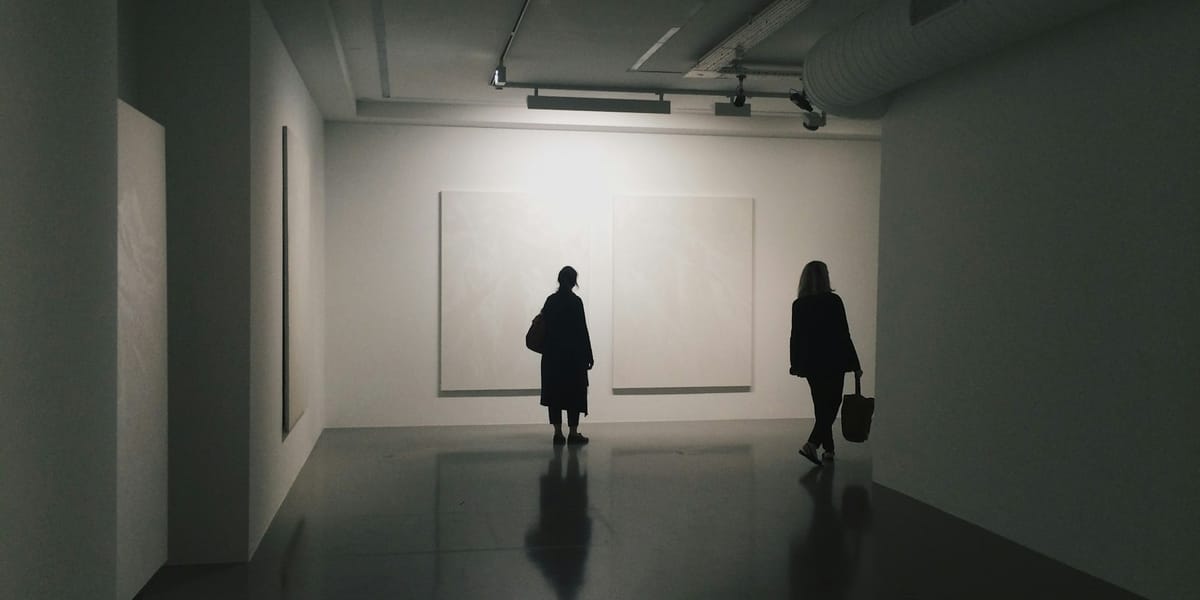
The contemporary art world has a geography problem. If you follow major art publications, you'd think meaningful exhibitions only happen in New York, Los Angeles, and maybe Miami during Art Basel. This narrow focus ignores dozens of vital regional art scenes where experimental work thrives, gallery rents remain reasonable, and emerging artists actually sell their work.
These hidden gallery districts operate outside the attention economy of major art centers. They're places where a mid-career painter can afford studio space, where galleries take risks on unconventional work, and where the local audience actually shows up to openings with genuine curiosity rather than social obligation.
This guide maps the most significant regional gallery districts across the United States, focusing on communities where the exhibition infrastructure supports serious artistic practice. These aren't artist colonies or weekend tourist attractions. They're functioning art ecosystems with professional galleries, committed collectors, and the kind of peer community that sustains long-term creative development.
What Makes a Regional Gallery District Worth Visiting
Before diving into specific locations, it's worth establishing what distinguishes a vital regional art scene from a charming town that happens to have a few galleries selling landscape paintings to tourists.
A genuine gallery district has multiple exhibition spaces showing contemporary work by living artists. It has a local collector base that purchases art regularly, not just during annual fundraisers. The galleries mount exhibitions that take aesthetic risks, showing work that wouldn't necessarily sell immediately but contributes to critical discourse.
These districts also have studio infrastructure. Artists live and work in the community year-round, not just during summer residencies. There's usually affordable housing, available studio space, and the kind of informal gathering spots where artists actually talk about their work.
The exhibition calendar matters tremendously. A vital scene has overlapping openings, visiting artist talks, and the critical mass of activity that makes it worth traveling to see multiple shows in a single trip. The galleries coordinate their schedules, creating concentrated periods of activity rather than scattering openings randomly across the calendar.
Finally, these places have staying power. The galleries have operated for years, surviving economic downturns and shifts in artistic fashion. The artist community has generational depth, with established figures mentoring emerging practitioners. This stability signals that the infrastructure can support your career development over time, not just provide a temporary exhibition opportunity.
Marfa, Texas: The High Desert Standard
Marfa set the template for what a regional art scene could become. When Donald Judd arrived in the 1970s, it was a dying railroad town with cheap real estate and abundant space. Judd's permanent installations at the Chinati Foundation created an artistic anchor that drew other artists, then galleries, then the entire infrastructure of a functioning art community.
The current gallery landscape extends well beyond Judd's legacy. Ballroom Marfa shows challenging contemporary work in a renovated dancehall, mounting exhibitions that would fit comfortably in Chelsea galleries but happen in a town of 1,700 people. The programming takes risks because it doesn't depend on sales to survive, operating more like a kunsthalle than a commercial gallery.
The commercial galleries occupy repurposed buildings along Highland Street. These spaces show a mix of local artists and outside practitioners, with a notable emphasis on minimalist and conceptual work that responds to the high desert landscape. The aesthetic through-line across different galleries creates coherence without homogeneity.
What makes Marfa exceptional is how the art infrastructure integrates with daily life. Artists run the coffee shops, the bookstore, the hotel. The boundary between art world professional and local resident blurs in productive ways. You can have a serious conversation about contemporary painting while waiting for your breakfast tacos.
The exhibition calendar peaks during specific weekends when multiple galleries coordinate openings. These concentrated periods draw visitors from Houston, Austin, Dallas, and further. The remote location becomes an asset rather than a limitation because people make the five-hour drive specifically to see art, not as part of a larger tourism agenda.
For emerging artists, Marfa offers a model of how dedicated infrastructure can create opportunities outside major markets. The Chinati Foundation and Ballroom Marfa both run residency programs. Several galleries maintain studio spaces for visiting artists. The community has enough critical mass to support serious work while remaining affordable enough that artists can actually live there.
The landscape itself functions as part of the artistic context. The vast horizons, intense light, and dramatic weather patterns influence how artists think about scale, color, and materiality. Work made in Marfa often carries traces of the high desert even when addressing apparently unrelated subjects.
The town's small size means you'll encounter the same artists and gallerists multiple times during a visit. This repeated contact facilitates genuine conversation rather than the brief exchanges typical of crowded urban openings. Relationships develop quickly when you keep running into someone at the coffee shop, the grocery store, and three different gallery openings.
Marfa also demonstrates how a strong aesthetic identity can become self-reinforcing. The minimalist sensibility that Judd established continues to influence what galleries show, what artists make, and what collectors expect. This creates both opportunity and constraint. Artists working in alignment with this aesthetic find receptive audiences. Those pursuing radically different approaches might struggle for visibility.
The economic model depends partly on tourism, but art tourism rather than general leisure travel. Visitors come specifically to see exhibitions, attend talks, and engage with the artistic community. This creates different audience expectations than beach towns or ski resorts where galleries function as rainy-day diversions.
Hudson, New York: The Antiques Town That Became an Art Hub
Hudson transformed from a decaying industrial city to a gallery district through a process that initially centered on antiques dealers, then gradually attracted contemporary art galleries as real estate prices rose in nearby metropolitan areas.
The gallery concentration along Warren Street creates an accessible walking circuit. Visitors can see a dozen exhibitions in a single afternoon, moving between spaces that show everything from emerging abstract painters to established conceptual artists. The proximity encourages gallery hopping in ways that spread-out urban districts don't.
What distinguishes Hudson from other small-town gallery scenes is the seriousness of the programming. Galleries like Fridman Gallery show artists who exhibit internationally, mounting museum-quality exhibitions in an intimate setting. The work on view competes directly with what you'd see in major metropolitan galleries, but the viewing experience feels more focused, less frantic.
The collector base includes weekending New Yorkers who maintain second homes in Columbia County, creating a bridge between metropolitan art world resources and regional infrastructure. These collectors buy work at Hudson galleries, attend openings regularly, and bring artist friends to visit, creating networks that extend beyond the immediate geographic area.
Several New York-based galleries have opened Hudson locations, treating the town as an extension of their primary program rather than a separate regional venture. This dual-location model brings metropolitan gallery standards to a regional context while adapting to the different pace and audience expectations of a small city.
The art scene benefits from Hudson's other cultural infrastructure. The town has independent bookstores, arthouse cinema, chef-driven restaurants, and the general amenities that make it possible to spend a full weekend engaging with culture. Visitors come for the galleries but stay because the broader environment supports sustained attention to aesthetic experience.
For artists, Hudson offers proximity to New York City (two hours by train) while maintaining the affordable studio space that Manhattan abandoned decades ago. Several artists maintain studios in converted industrial buildings, working in Hudson while showing in New York and other markets. This hybrid model appears increasingly common among mid-career practitioners priced out of urban centers.
The exhibition calendar follows a loose seasonal pattern, with heightened activity during fall and spring when weather makes the drive from New York most pleasant. Many galleries coordinate opening receptions, creating concentrated weekends when multiple shows debut simultaneously.
The relationship between Hudson and New York creates interesting dynamics. The town functions as both satellite and autonomous scene. Some galleries explicitly market to New York collectors, while others cultivate local audiences. Some artists maintain Hudson studios as escapes from city intensity, while others use the location strategically to reduce overhead while staying connected to metropolitan opportunities.
Real estate pressures mirror larger patterns of arts-driven gentrification. As galleries and artists made Hudson desirable, property values increased, threatening the affordability that initially attracted creative practitioners. The community now faces familiar questions about how to maintain artistic vitality as economic success transforms the underlying conditions.
The architecture contributes significantly to the gallery experience. Many spaces occupy 19th-century commercial buildings with high ceilings, good natural light, and the kind of architectural detail that enhances rather than competes with artwork. These buildings provide exhibition environments impossible to replicate in purpose-built contemporary spaces.
Santa Fe, New Mexico: Beyond the Tourist Galleries
Santa Fe requires careful navigation because the gallery district includes both serious contemporary spaces and tourist-oriented galleries selling derivative Southwestern imagery. The two ecosystems coexist on the same streets, requiring visitors to distinguish between them.
The galleries worth visiting cluster around Canyon Road and the Railyard district, though even within these areas, quality varies dramatically. The serious spaces show contemporary work that engages with place, history, and material culture without reducing these subjects to decorative motifs.
Site Santa Fe operates as the anchor institution, mounting large-scale contemporary exhibitions that draw international attention. Their programming brings artists and curators to the city, creating connections between the local scene and broader contemporary art discourse. The biennial exhibition, when it runs, transforms the entire district, with commercial galleries mounting complementary programming.
The commercial galleries showing challenging work tend toward artists working with traditional materials in contemporary contexts. You'll see ceramicists pushing sculptural boundaries, painters engaging seriously with landscape without resorting to nostalgia, and conceptual artists responding to the region's complex cultural history.
What makes Santa Fe valuable for artists is the collector base. The city has accumulated wealth over decades, creating multiple generations of collectors who buy contemporary work regularly. These aren't exclusively tourists purchasing vacation souvenirs. Many are serious collectors building coherent bodies of work over years, maintaining relationships with specific galleries and artists.
The cultural infrastructure extends beyond visual art. The opera, chamber music festival, and various literary organizations create an environment where aesthetic seriousness is normalized rather than exceptional. This broader context supports the commercial viability of challenging contemporary work because the audience already values cultural engagement.
For emerging artists, Santa Fe presents opportunities through various smaller galleries willing to show unknown practitioners alongside established names. The market can support this risk-taking because overhead costs remain lower than major metropolitan markets, and the collector base has demonstrated willingness to discover new work.
The landscape and light influence artistic production in Santa Fe similarly to Marfa, though the high altitude and mountainous terrain create different visual conditions. Artists working in the region often develop heightened sensitivity to atmospheric effects, color temperature shifts across the day, and the relationship between built environment and natural setting.
The challenge in Santa Fe involves distinguishing yourself from the overwhelming volume of work trading on Southwestern aesthetics. Galleries showing genuinely innovative work exist alongside spaces selling paintings that could have been made in 1950 or 2020 with no discernible difference. Emerging artists need to research carefully which galleries align with their practice.
The city's tri-cultural heritage (Native American, Hispanic, Anglo) creates both opportunity and responsibility. Artists engaging with this cultural complexity can produce work of real depth and nuance. Those treating it as exotic backdrop risk producing work that feels exploitative or superficial.
Canyon Road alone contains over 80 galleries, making comprehensive coverage impossible during a single visit. The density requires strategic planning. Visitors should research specific galleries in advance rather than attempting to see everything. The casual gallery stroll works better in smaller concentrations like Marfa or Beacon.
The summer season brings intense gallery activity coinciding with tourist high season. The International Folk Art Market in July draws massive crowds interested in craft and decorative arts, creating spillover traffic for contemporary galleries. Indian Market in August similarly activates the entire district.
Beacon, New York: The Museum Town with Gallery Infrastructure
Beacon's transformation into an art destination began with Dia:Beacon's 2003 opening in a former Nabisco box-printing facility. The museum's massive exhibition spaces showing minimal and conceptual art from the 1960s onward created an anchor that gradually drew galleries, artist studios, and supporting infrastructure.
The gallery scene operates in Dia:Beacon's wake, showing contemporary work that often dialogues with the museum's permanent collection. Several galleries occupy industrial buildings along Main Street, maintaining the aesthetic continuity of art in repurposed manufacturing spaces.
What distinguishes Beacon from other small cities with single major institutions is how completely the art infrastructure has integrated into the urban fabric. The galleries, artist studios, design shops, and cultural spaces create a cohesive environment where contemporary aesthetics inform everything from café interiors to street signage.
The commercial galleries show a range of contemporary practices, with notable strength in abstract painting, sculpture, and installation work. Several spaces represent emerging artists early in their careers, providing exhibition opportunities that can lead to representation in larger markets.
The town's proximity to New York City (90 minutes by Metro-North train) makes it accessible for day trips, though the exhibition density rewards overnight visits. Many visitors combine Dia:Beacon with gallery visits, creating a full day of looking at art in a more relaxed context than Manhattan allows.
For artists, Beacon offers studio space at fractions of Brooklyn costs while maintaining easy access to New York's art world infrastructure. The train connection makes it possible to maintain studio practice in Beacon while attending openings, studio visits, and professional meetings in the city.
The artist community has developed sufficient depth that peer critique and collaboration happen locally rather than requiring constant trips to New York. Studios cluster in several converted industrial buildings, creating informal communities where artists share equipment, expertise, and exhibition opportunities.
The real estate market reflects Beacon's growing desirability. Prices have risen significantly since Dia:Beacon opened, though they remain well below comparable Hudson Valley towns and far below anything in New York City. This creates a window of opportunity for artists willing to relocate but raises questions about long-term affordability.
The exhibition calendar peaks during fall and spring, coordinating with Dia:Beacon's major exhibitions. Galleries often schedule openings to coincide with the museum's public programs, creating concentrated weekends of artistic activity.
The town's industrial history provides dramatic architectural settings for contemporary art. Brick warehouses with timber beam ceilings, concrete floors, and abundant natural light create exhibition spaces that enhance minimal and material-focused work. The architecture itself becomes part of the artistic conversation.
Asheville, North Carolina: The Mountain City Art Scene
Asheville represents a different model of regional art district, one that developed organically from local craft traditions rather than through institutional anchors or deliberate artist colonization. The River Arts District concentrates studios and galleries in former industrial buildings along the French Broad River.
What distinguishes Asheville is the emphasis on working studios open to the public. Many artists maintain production spaces that double as galleries, allowing visitors to see work in progress alongside finished pieces. This transparency creates different relationships between artists and audiences than traditional white-cube galleries permit.
The work shown spans from traditional craft (pottery, fiber arts, woodworking) to contemporary painting, sculpture, and mixed media. This range reflects the region's craft heritage while acknowledging contemporary art discourse. Some artists work squarely within one tradition or the other; others produce hybrid practices that resist easy categorization.
The collector base includes both tourists and local residents, creating a market that supports diverse price points and aesthetic approaches. Artists can sell smaller, more accessible work to visitors while cultivating relationships with serious collectors building substantial collections.
The regional craft tradition provides infrastructure that benefits contemporary artists. Materials suppliers, fabricators, and technical expertise exist locally because the craft community supports these businesses. Artists can source specialized materials, access equipment, and find skilled collaborators without traveling to major metropolitan areas.
For emerging artists, Asheville offers affordable studio space and a supportive community, though the market skews toward decorative and functional work more than conceptual or installation practices. Artists making challenging contemporary work can find audiences, but they're swimming against prevailing market expectations.
The mountain setting influences artistic production, particularly for artists working with natural materials or landscape imagery. The dramatic topography, rich biodiversity, and distinct seasons provide both subject matter and material resources.
The exhibition calendar operates year-round without pronounced seasonal peaks, though summer brings increased tourist traffic. Many studios maintain regular open hours rather than relying on coordinated opening events, creating a more casual, drop-in culture than formal gallery districts.
The relationship between fine art and craft remains productively blurred in Asheville. Many artists maintain practices that span both categories, producing functional ceramics alongside sculptural work, or creating fiber art that reads as painting. This categorical flexibility can be liberating for artists constrained by strict medium definitions elsewhere.
Providence, Rhode Island: The School Town Art Economy
Providence's gallery scene operates in close relationship with Rhode Island School of Design, creating an ecosystem where academic artistic discourse directly influences commercial exhibition programming. The galleries cluster around RISD's campus and in the adjacent downtown area.
What makes Providence significant is the constant influx of emerging artists graduating from RISD and Brown University's visual art programs. This creates a self-renewing artist community with fresh perspectives and current engagement with contemporary art discourse.
The galleries showing challenging work tend to be artist-run spaces or small commercial ventures willing to take risks on recent graduates. These spaces function as bridges between academic experimentation and commercial viability, helping artists transition from student work to professional practice.
The collector base includes RISD alumni, faculty, and Providence residents invested in supporting the local arts community. The market can't compete with New York or Los Angeles in terms of sales volume, but it provides crucial early exhibition opportunities that help artists build professional track records.
For emerging artists, Providence offers the possibility of remaining in a city where they've built community and studio infrastructure rather than immediately relocating to more expensive markets. The relatively low cost of living makes it possible to maintain a serious studio practice while working part-time employment.
The relationship between RISD and the broader art community creates both opportunities and tensions. The institution provides resources, programming, and prestige that benefit the entire scene. It also dominates local attention and resources in ways that can overshadow non-affiliated artists and galleries.
The exhibition calendar peaks during the academic year, with reduced activity during summer when students and faculty disperse. This seasonal pattern creates predictable rhythms but also periods of relative quiet.
The city's walkable scale makes it easy to see multiple exhibitions in a single afternoon. The galleries, studios, and arts organizations cluster in several neighborhoods, creating natural circuits for gallery-going that don't require driving between distant locations.
Providence demonstrates how academic institutions can anchor regional art scenes, providing the critical discourse, technical resources, and audience base that sustain professional artistic practice outside major commercial markets.
Detroit, Michigan: The Post-Industrial Art Laboratory
Detroit represents perhaps the most dramatic example of artists transforming post-industrial urban landscape into functioning art infrastructure. The massive population decline and economic collapse created conditions where artists could access space at scales impossible elsewhere.
The gallery scene distributes across several neighborhoods, with concentrations in Midtown, Corktown, and the North End. These districts developed independently, each with distinct character reflecting different artist communities and curatorial approaches.
What distinguishes Detroit is the scale of ambition possible when space costs nearly nothing. Artists maintain studios in former factories, creating work at architectural dimensions. Galleries occupy entire buildings, mounting exhibitions that would be economically impossible in higher-rent markets.
The work shown reflects engagement with the city's complex history of industrial production, racial politics, and economic transformation. Many artists produce work directly responding to Detroit's specific conditions rather than creating generic contemporary art that could come from anywhere.
The collector base remains smaller than the artistic output warrants, creating challenges for commercial sustainability. Many galleries operate on hybrid models combining sales with grants, fundraising, and volunteer labor. This creates fragility but also freedom to show work without commercial compromise.
For emerging artists, Detroit offers unprecedented access to space and community, though with significant tradeoffs in terms of market access and economic stability. Artists willing to engage deeply with the city's specificities can produce compelling work. Those seeking conventional career advancement might struggle without connections to outside markets.
The city's ongoing transformation creates uncertainty about long-term artistic sustainability. As development returns to certain neighborhoods, artist spaces face displacement. The tension between supporting urban revival and maintaining artistic affordability plays out in real time.
The exhibition calendar operates year-round with concentrated activity during specific events. The annual Detroit Month of Design and Movement Festival bring focused attention, drawing visitors from other cities and creating opportunities for artists to show work to broader audiences.
Detroit challenges assumptions about what regional art scenes require. Rather than affluent collectors and established institutions, the city demonstrates how artistic community, available space, and shared purpose can create vital cultural production under economically constrained conditions.
Richmond, Virginia: The Southern Capital's Emerging Scene
Richmond's art district centers on the Arts District in downtown and extends into surrounding neighborhoods like Scott's Addition. The scene has developed significantly over the past decade, transforming from scattered individual efforts into coherent gallery infrastructure.
What makes Richmond notable is the intersection of affordability and proximity to major markets. The city sits two hours from Washington DC and three from New York, close enough for weekend visits while maintaining much lower costs than either metro area.
The galleries show a range of contemporary work with particular strength in painting, photography, and sculpture. Several spaces focus on regional artists, providing crucial exhibition opportunities for practitioners who might otherwise need to show exclusively in distant cities.
The collector base combines long-time Richmond residents, recent transplants, and visitors from nearby metropolitan areas. The Virginia Museum of Fine Arts provides institutional anchor and educational programming that supports broader interest in contemporary art.
For emerging artists, Richmond offers the possibility of establishing sustainable practice without the financial pressures of major coastal cities. Studio rents remain affordable, living costs are manageable, and the community has reached sufficient size to support peer discourse and collaboration.
The city's southern location and complex racial history inform much of the work shown, with many artists engaging questions of regional identity, historical memory, and cultural transformation. This creates opportunities for location-specific work while potentially limiting appeal to collectors seeking more universal subjects.
The exhibition calendar follows academic patterns, with heightened activity during fall and spring corresponding to the Virginia Commonwealth University arts calendar. The university's arts programs provide steady flow of emerging artists, some of whom remain in Richmond after graduation.
The scene demonstrates how mid-sized southern cities can develop viable art infrastructure by leveraging affordable space, institutional support from universities and museums, and positioning between major markets. Richmond offers a model that other similar cities might adapt.
Tucson, Arizona: The Desert Alternative
Tucson operates in the shadow of larger southwestern art markets but has developed distinct identity centered on desert ecology, border politics, and material experimentation. The gallery scene distributes across downtown and several surrounding neighborhoods.
The galleries show work engaging with the Sonoran Desert environment, indigenous cultural heritage, and the complex politics of the US-Mexico border. This regional specificity creates coherence while risking provincialism if not balanced with broader contemporary art engagement.
What distinguishes Tucson is the relationship between artistic practice and environmental conditions. The extreme heat, intense light, and desert landscape influence how artists think about color, surface, and materiality. Work made in Tucson often carries traces of these environmental factors.
The collector base includes university faculty, medical professionals, and retirees drawn to the desert climate. The market supports affordable and mid-range work more readily than high-end sales, creating opportunities for emerging artists while potentially limiting growth for established practitioners.
The University of Arizona provides institutional anchor, offering exhibition spaces, visiting artist programs, and educational context that supports broader artistic community. The university's presence also ensures steady flow of emerging artists, some of whom establish permanent studios in the area.
For artists, Tucson offers the combination of affordable space, supportive community, and proximity to unique landscape and cultural conditions. The relatively low cost of living makes it possible to maintain serious studio practice without constant financial anxiety.
The exhibition calendar operates year-round with reduced activity during extreme summer heat when many residents travel to cooler locations. Fall and winter see heightened gallery activity, taking advantage of pleasant weather and full-time resident population.
Tucson represents an alternative to both major southwestern markets like Santa Fe and smaller towns like Marfa. The city provides urban infrastructure and diversity while maintaining connection to desert landscape and relatively affordable costs.
Strategic Considerations for Visiting Regional Galleries
Understanding how to engage productively with regional gallery districts requires different approaches than visiting major metropolitan art scenes. The scale, pace, and social dynamics operate according to different logics.
Timing matters significantly. Many regional scenes coordinate gallery openings, creating concentrated weekends when multiple exhibitions debut. Visiting during these events provides access to artists, curators, and local collectors in ways that casual drop-in visits don't. The openings also reveal community dynamics, showing which galleries draw serious attention versus tourist traffic.
Research before visiting prevents wasted time sorting through tourist-oriented galleries to find spaces showing challenging work. Most regional scenes have a few serious galleries surrounded by many showing decorative art. Identifying the worthwhile spaces in advance focuses your visit on exhibitions that matter.
The social dynamics in regional galleries differ from metropolitan scenes. Gallery staff and even directors often handle multiple roles, so the person you speak with might be an artist, curator, or owner rather than a reception desk attendant. These conversations can develop into meaningful professional relationships if approached respectfully.
Regional galleries often maintain more flexible exhibition schedules than major metropolitan spaces. Shows might run longer, change dates with less notice, or overlap in ways that would seem unprofessional in New York or Los Angeles. This flexibility reflects smaller staffs and more informal operations.
For artists seeking exhibition opportunities, regional galleries provide more accessible entry points than major metropolitan venues. Many actively seek new artists, maintain open submission policies, or respond to studio visit requests. The key is demonstrating genuine engagement with the region rather than treating it as a convenient resume builder.
Collecting from regional galleries often means better prices than metropolitan equivalents, though with some tradeoff in terms of artist recognition and resale market. For collectors building personal collections rather than investment portfolios, regional galleries provide access to strong work at accessible prices.
The relationship between regional scenes and major markets continues evolving. Some regional galleries explicitly position as farm systems for metropolitan venues, showing emerging artists who graduate to bigger markets. Others resist this model, insisting on the validity of regional practice independent of metropolitan validation.
Conclusion: The Geography of Artistic Opportunity
The regional gallery districts mapped here represent alternatives to the concentration of artistic resources in a handful of major cities. They demonstrate that serious artistic practice, engaged audiences, and commercial viability can exist outside New York, Los Angeles, and Miami.
These scenes don't replicate metropolitan art world structures at smaller scale. They operate according to different logics, with different values, different economic models, and different relationships between artists and communities. Understanding these differences is essential for engaging productively with regional art infrastructure.
For emerging artists, these districts offer possibilities that major markets increasingly cannot provide. Affordable studio space, supportive communities, and exhibition opportunities exist in places where housing costs don't consume entire incomes and where artistic success doesn't require immediate commercial breakthrough.
The sustainability of these scenes remains uncertain. Development pressures, demographic shifts, and economic changes threaten the conditions that made them possible. Marfa faces tourism overwhelm. Hudson confronts gentrification. Detroit navigates urban revival that could displace artists. These challenges require thoughtful responses from artists, galleries, and municipal governments.
The continued vitality of American contemporary art depends partly on maintaining diverse geographic centers of production. Concentration in a few major cities limits the range of work produced, the diversity of artists who can sustain practices, and the resilience of the broader artistic ecosystem.
These regional scenes deserve attention not as charming alternatives to "real" art centers but as legitimate sites of contemporary art production. The work shown, the discourses engaged, and the communities sustained in these places contribute meaningfully to contemporary artistic culture.
For visitors, collectors, and artists, these districts offer opportunities to engage with contemporary art outside the frenetic pace and overwhelming scale of major metropolitan scenes. The intimacy, focus, and regional specificity create different kinds of aesthetic experiences and professional relationships.
The geography of contemporary art continues evolving. The districts described here represent current conditions, subject to change as economic forces, demographic patterns, and cultural priorities shift. Engaging with them now provides insight into artistic possibilities beyond established hierarchies and conventional career paths.