How Bioluminescent Bacteria Create Living Paintings
How bioluminescent bacteria create living paintings through luciferin-luciferase reactions. The microbiology, growth requirements, and why most bio art fails.
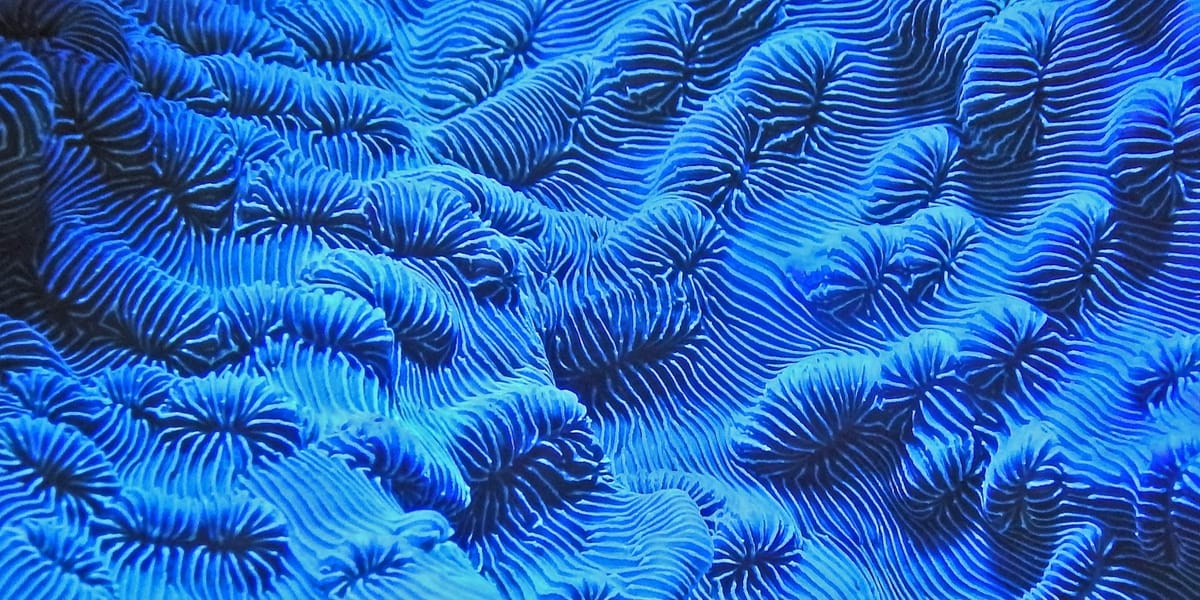
The petri dish glows blue-green in darkness, the light coming from living bacteria engineered to produce bioluminescence. The artist arranges these glowing microbes into patterns, creating images that exist only while the bacteria remain alive and metabolically active.
This isn't paint or pigment. It's orchestrated biochemistry.
Bioluminescent bacteria emit light through enzymatic reactions where luciferin molecules oxidize in presence of luciferase enzyme, oxygen, and ATP. The reaction releases energy as photons rather than heat, creating the cold light characteristic of biological luminescence.
The artistic challenge involves maintaining bacterial cultures in conditions supporting active metabolism while controlling their growth patterns to create intended visual forms. The bacteria must receive nutrients, oxygen, and appropriate temperature while being constrained to specific areas of the substrate.
Understanding how bioluminescent bacteria function in art requires examining the biochemistry of light production, the microbiology of bacterial growth and metabolism, the practical challenges of culturing living organisms as artistic medium, and the ethical questions raised by manipulating life for aesthetic purposes.
The reality proves far more complex than romantic notions about living light suggest. Most bioluminescent artworks fail within days or weeks as bacterial cultures die, become contaminated, or overgrow their intended patterns. The successful pieces require sophisticated microbiological technique combined with artistic vision.
This represents extreme limit of time-based art where the medium's lifespan determines the work's duration. The impermanence isn't metaphorical but biological necessity as living systems inevitably cease functioning.
The Biochemistry of Bacterial Bioluminescence
The light production in bioluminescent bacteria occurs through specific chemical reaction catalyzed by luciferase enzyme acting on luciferin substrate.
The bacterial luciferin consists of reduced flavin mononucleotide (FMNH₂) plus long-chain aldehyde. The luciferase enzyme combines these with molecular oxygen (O₂) to produce oxidized flavin, carboxylic acid, water, and light.
The reaction mechanism involves luciferase binding the reduced flavin and oxygen, forming an intermediate that oxidizes the aldehyde while releasing photon. The photon emission occurs as the excited state intermediate returns to ground state.
The wavelength of emitted light peaks around 490 nanometers (blue-green) for most bacterial species. This wavelength results from the specific energy change in the flavin oxidation reaction.
The light intensity depends on enzyme concentration, substrate availability, oxygen presence, and temperature. Optimal conditions produce light visible to dark-adapted eyes, though much dimmer than chemiluminescent or fluorescent materials.
The ATP requirement links light production to bacterial metabolism. The cells must actively produce ATP through respiration or fermentation to maintain the luciferin in reduced form and provide energy for the system.
The quorum sensing mechanism in many bioluminescent bacteria means light production increases with cell density. The bacteria only glow brightly when concentrated in colonies, not as isolated cells.
This quorum sensing involves autoinducer molecules that bacteria release and detect. When autoinducer concentration exceeds threshold (indicating high cell density), the bacteria activate genes producing luciferase and other bioluminescence proteins.
The ecological function in marine bacteria involves attracting fish or other organisms, though the exact adaptive advantage remains debated among microbiologists.
Bacterial Species Used in Bio Art
Several bacterial species provide bioluminescence for artistic applications, each with distinct characteristics and requirements.
Vibrio fischeri (often called Aliivibrio fischeri in newer taxonomy) produces reliable blue-green bioluminescence and grows readily in laboratory conditions. This marine bacterium requires salt in growth medium.
The Photobacterium phosphoreum creates similar bioluminescence but tolerates wider temperature range than V. fischeri. The cold tolerance allows growth at refrigerator temperatures where other species fail.
The Vibrio harveyi produces bright bioluminescence and demonstrates strong quorum sensing behavior. The cells must reach high density before significant light production begins.
The genetically modified E. coli strains engineered to express lux operon from bioluminescent bacteria allow artists to work with non-marine organism. These strains grow in standard bacterial media without salt requirement.
The photosynthetic bacteria like Rhodobacter capsulatus engineered with bioluminescence genes combine light production with photosynthetic capability. These create interesting possibilities for self-sustaining cultures.
The choice of species affects growth rate, light intensity, culture requirements, and artwork lifespan. Marine species require saltwater media. E. coli grows faster but may produce less intense light. The trade-offs shape artistic possibilities.
The biosafety classifications restrict which species artists can legally work with. Most bioluminescent bacteria used in art are Risk Group 1 (minimal hazard) but some photobacteria strains require institutional biosafety approval.
Growth Media and Culture Requirements
Maintaining bioluminescent bacteria requires providing specific nutrients and environmental conditions supporting active metabolism.
The growth media must supply carbon source (sugars or organic acids), nitrogen source (amino acids or ammonium salts), minerals (phosphate, sulfate, trace metals), and for marine species, appropriate salt concentration.
The standard marine medium for Vibrio species contains 3% sodium chloride plus peptone and yeast extract providing complex nutrients. The salt concentration approximates seawater salinity.
The agar solidifies liquid medium into gel that bacteria can colonize on surfaces. The agar concentration affects firmness—too soft and bacterial colonies spread; too firm and the surface cracks.
The pH must remain near neutral (6.5-7.5) for optimal growth. The bacterial metabolism produces acids that can drop pH if medium lacks buffering capacity.
The oxygen requirement poses significant challenge for bioluminescence since the light reaction requires O₂. The bacteria must receive oxygen either from air diffusion through medium or active aeration.
The temperature control matters because bacterial metabolism accelerates with warmth but excessive heat kills cells. Most species used in bio art prefer 20-30°C. Refrigeration slows growth and light production.
The sterile technique prevents contamination from environmental microorganisms that overgrow the intended bacterial culture. All media, equipment, and surfaces must be sterilized before inoculation.
The nutrient depletion occurs as bacteria consume available resources. The medium that initially supports growth becomes exhausted, causing cultures to die unless refreshed.
Creating Patterns and Images
Forming visual patterns with bioluminescent bacteria requires controlling where bacteria grow while preventing unwanted spreading.
The streaking technique uses sterile loop or swab to transfer bacteria in lines across agar surface. The streaked pattern glows as bacteria multiply along the inoculated path.
The stamp or stencil method presses shaped object dipped in bacterial culture onto agar, depositing bacteria in specific patterns. The stamps must be sterilized between uses to prevent cross-contamination.
The photolithography approach uses light-sensitive chemicals to create areas where bacteria can or cannot grow. UV exposure through photomask creates patterned surface with differential bacterial adhesion.
The mixing different species or strains creates patterns from differential growth rates or light intensities. Fast-growing non-luminescent bacteria can outline luminescent species.
The agar viscosity adjustment changes how bacteria spread. Firmer agar confines bacteria to inoculated areas. Softer agar allows spreading that can create diffuse glow effects.
The serial dilution creates gradients where bacterial density varies across surface. The diluted areas glow dimmer than concentrated areas, creating tonal variation.
The problem involves bacterial mobility and reproduction. The bacteria don't remain where placed but multiply, spread, and migrate across substrate. Controlling this growth determines whether patterns persist or blur.
The comparison to conventional painting fails because paint remains static while bacteria actively move and reproduce. The artist sets initial conditions but can't fully control subsequent biological processes.
Lifespan and Degradation
The fundamental limitation of bioluminescent bio art involves the inevitable death of bacterial cultures within days or weeks.
The nutrient exhaustion kills cultures as bacteria consume available resources faster than diffusion can replenish them. On standard agar plates, cultures typically peak at 24-48 hours then decline.
The waste product accumulation creates toxic conditions. Bacterial metabolism produces acids, ammonia, and other compounds that inhibit further growth.
The oxygen depletion in thick bacterial films prevents cells in lower layers from respiring. The anaerobic conditions stop bioluminescence since the light reaction requires O₂.
The desiccation occurs as water evaporates from agar surface. The dried bacteria stop metabolizing and die. Sealed plates last longer but eventually dry out.
The contamination from environmental fungi or bacteria overgrows intended cultures. The contaminants typically grow faster, consume nutrients, and outcompete the bioluminescent bacteria.
The genetic instability in engineered strains causes loss of bioluminescence genes over generations. Plasmid-based systems especially suffer as cells that lose the plasmid grow faster than those maintaining it.
The maximum lifespan for most bioluminescent artworks ranges from 3-7 days under optimal conditions. Some artists achieve 2-3 weeks through careful medium formulation and environmental control.
The preservation impossibility means bioluminescent bio art exists only through documentation. Photographs and videos record what viewers can't experience after the cultures die.
Environmental Control Systems
Extending artwork lifespan requires sophisticated systems controlling temperature, humidity, light, and potentially nutrient delivery.
The incubator provides temperature control maintaining optimal growth conditions. Most bioluminescent bacteria prefer 20-28°C. Temperature fluctuations stress cultures and accelerate death.
The humidity control prevents agar desiccation while avoiding condensation that pools water on surfaces. The optimal relative humidity ranges from 60-80%.
The light exposure affects different species differently. Some bioluminescent bacteria tolerate light exposure. Others show photoinhibition where visible light reduces bioluminescence.
The active medium replenishment through microfluidic systems can extend culture life by providing fresh nutrients and removing wastes. This requires complex engineering beyond most artists' capabilities.
The oxygen delivery through permeable membranes or active aeration maintains aerobic conditions in thick bacterial films. Without oxygen supplementation, only surface cells produce light.
The sealed chambers prevent contamination while allowing gas exchange. The HEPA filtration cleans incoming air of microbial contaminants.
The monitoring systems track pH, dissolved oxygen, temperature, and humidity, allowing automated control maintaining optimal conditions.
The practical reality involves trade-offs between lifespan extension and artistic access. Sophisticated environmental control systems keep bacteria alive longer but isolate the artwork in laboratory equipment rather than gallery space.
Ethical Considerations in Bio Art
Using living organisms as artistic medium raises ethical questions that painting or sculpture don't encounter.
The instrumentalization of life for aesthetic purposes troubles some ethicists. The bacteria are living organisms being manipulated solely for human artistic expression.
The genetic modification involved in creating some bioluminescent strains raises concerns about engineering life for non-essential purposes. The modifications serve art rather than medicine or research.
The inevitable death of bacterial cultures involves killing organisms intentionally to create temporary artwork. The mass death is predetermined by the medium's choice.
The biosafety issues require proper containment preventing release of cultured or modified bacteria into environment. Most species are harmless but regulations require precautions.
The public exposure to living bacteria in galleries raises concerns about contamination risks and public health. Even benign organisms can potentially cause problems for immunocompromised individuals.
The knowledge accessibility creates tensions between democratizing bio art and preventing misuse of biological techniques. Teaching bacterial culture skills enables both art and potential biosafety violations.
The animal rights frameworks that address vertebrate animal use in art don't clearly extend to bacteria. The microorganisms lack nervous systems and sentience that typically generate ethical concern.
The environmental impact of disposing large quantities of bacterial cultures requires proper sterilization before disposal. Autoclaving or bleach treatment kills organisms before they enter waste streams.
The informed consent impossibility means bacteria can't agree to artistic use. This differs from human performance or participatory art where consent is required.
Historical Bio Art Examples
Several artists have created significant works using bioluminescent bacteria, establishing the medium's artistic possibilities and limitations.
Eduardo Kac's "Genesis" (1999) used bacteria containing gene encoding biblical text, creating conceptual piece about genetic manipulation and information. The bacteria glowed through bioluminescence though light production wasn't the primary concept.
The Critical Art Ensemble's bacterial projects addressed biotech capitalism and genetic modification accessibility. Their work prioritized political content over aesthetic qualities of bioluminescence.
Hunter Cole's bioluminescent photography series documented bacterial light production's aesthetic qualities while exploring impermanence and natural beauty.
The numerous art-science collaborations at synthetic biology workshops and residencies produced bioluminescent artworks emphasizing process and collaboration over finished objects.
The bacterial selfie or portrait projects where bacteria collected from human subjects create portraits challenge boundaries between self and microbial communities inhabiting human bodies.
These historical examples reveal tensions between artistic intent, biological realities, and public reception. Viewers often focus on conceptual implications while the actual bacterial cultures remain visually subtle or disappointing.
Technical Failures and Common Problems
Most attempts at bioluminescent bio art fail through predictable problems that microbiological expertise could prevent but artistic training doesn't address.
The contamination from environmental organisms represents most common failure. Fungal spores or bacterial contaminants grow faster than bioluminescent cultures, destroying intended patterns.
The inadequate sterile technique during culture handling introduces contaminants. Artists without microbiology training often lack skills maintaining axenic cultures.
The incorrect medium formulation fails to support bacterial growth or bioluminescence. The pH, salt concentration, or nutrient composition doesn't match species requirements.
The poor incubation conditions where temperature is wrong, humidity insufficient, or oxygen lacking prevent optimal light production even when bacteria survive.
The overgrowth beyond intended patterns occurs when bacteria spread more than anticipated. The agar viscosity, bacterial motility, and growth rate combine to blur designed forms.
The premature death from nutrient exhaustion, desiccation, or pH changes kills cultures before intended exhibition duration.
The dim light production disappointing viewers expecting brighter bioluminescence. Bacterial light remains subtle, requiring dark adaptation to appreciate fully.
The health and safety violations when artists work with bacteria without proper facilities, training, or institutional oversight create actual biosafety risks.
Comparison to Other Living Media
Bioluminescent bacteria represent one approach among several to using living organisms in art, each with distinct characteristics and challenges.
The plant-based bio art using growth, photosynthesis, or tropisms operates on slower timescales than bacterial cultures. Plants survive weeks to months versus days for bacteria.
The fungal mycelium art exploits growth patterns creating forms through biological development. Fungi grow slower than bacteria but faster than most plants.
The slime mold (Physarum polycephalum) artworks use organism's network formation and problem-solving behaviors. The slime mold responds to environment more visibly than bacteria.
The mammalian tissue culture creating "victimless meat" sculptures raises more acute ethical concerns than bacterial art. The vertebrate cells' evolutionary proximity to humans generates stronger responses.
The ecosphere or terrarium projects creating self-sustaining ecosystems last longer than bacterial monocultures but require complex ecological balance.
The comparison reveals bioluminescent bacteria's specific advantages (visible light production, rapid growth, relative safety) and disadvantages (short lifespan, subtle glow, technical demands).
Documentation Challenges
The ephemeral nature and specific viewing requirements of bioluminescent art create documentation challenges affecting how work is experienced and historicized.
The photography requires long exposures in complete darkness to capture dim bacterial light. The typical exposure times range from 30 seconds to several minutes.
The light sensitivity varies dramatically between human perception and camera sensors. What appears bright to dark-adapted eyes may require extreme camera settings to photograph.
The color accuracy proves difficult because bacterial bioluminescence's specific wavelength doesn't photograph identically to how eyes perceive it. The blue-green glow often appears different in photos than in person.
The timelapse documentation showing culture growth and death over days provides more complete record than single images. But the timelapse compresses experience into time scale that misrepresents actual viewing.
The video documentation can capture the subtle variations in light intensity as bacterial metabolism fluctuates. But video still fails to reproduce the experience of viewing living bioluminescence.
The written descriptions supplement visual documentation but struggle to convey the particular quality of biological light versus mechanical or chemical light sources.
The exhibition documentation showing viewer responses, installation context, and duration provides cultural record even when the biological artwork no longer exists.
The preservation impossibility means all documentation remains secondary to lost original. The artwork truly existed only during the days when bacteria were alive and glowing.
Future Directions and Synthetic Biology
Advances in synthetic biology potentially enable more sophisticated bioluminescent artworks, though the fundamental biological constraints remain.
The CRISPR gene editing allows precise modification of bacterial genomes, potentially creating strains with enhanced light production or altered wavelengths.
The metabolic engineering can optimize bacterial metabolism for sustained bioluminescence while reducing nutrient requirements and waste production.
The synthetic biology parts catalogs provide standardized genetic components that artists can combine to create custom bacterial behaviors.
The optogenetic control systems could allow switching bioluminescence on or off through external signals, enabling interactive artworks responding to viewer presence.
The multiple wavelength bioluminescence through combining different luciferase enzymes could create color variation currently impossible with single-species cultures.
The cell-free systems using isolated enzymes rather than living bacteria could produce bioluminescence without ethical concerns about manipulating life, though the chemistry still requires careful control.
The practical limitations involve regulatory restrictions on genetic modification, biosafety requirements for working with engineered organisms, and technical expertise needed for synthetic biology approaches.
The artistic community's access to synthetic biology tools remains limited by institutional barriers, equipment costs, and knowledge requirements. The democratization promised by biohacker spaces hasn't fully materialized for sophisticated applications.
The Institutional and Regulatory Context
Creating bioluminescent bio art requires navigating institutional structures and regulations that conventional art media don't encounter.
The biosafety committees at universities and research institutions must approve projects involving genetic modification or potentially hazardous organisms. The approval process can take months.
The Institutional Biosafety Committee (IBC) reviews protocols, approves containment levels, and monitors compliance. Artists working outside institutional settings may lack oversight required by regulations.
The laboratory access provides equipment, materials, and expertise necessary for bacterial culture work. Most artists can't afford autoclaves, incubators, and sterile hoods needed for proper technique.
The material transfer agreements govern receiving bacterial strains from culture collections or other researchers. The legal requirements restrict who can obtain certain organisms.
The waste disposal regulations require autoclaving or chemical sterilization before disposing bacterial cultures. Home or studio waste disposal often violates these requirements.
The exhibition venue requirements include proper containment, labeling, and safety measures if showing living bacterial cultures. Many galleries lack facilities to safely display bio art.
The insurance and liability concerns make venues reluctant to host living organism artworks. The risk of contamination or health problems creates legal exposure.
The funding sources willing to support bio art remain limited. Traditional arts funding doesn't cover laboratory costs while science funding doesn't support purely artistic projects.
Specific Artistic Techniques and Applications
Artists working with bioluminescent bacteria have developed specific techniques adapting microbiological methods to artistic purposes.
The petri dish as canvas represents most common approach where standard laboratory dishes become display surfaces. The circular format and small scale (typically 10cm diameter) constrain compositional possibilities.
The large-format agar panels using custom containers allow wall-mounted presentations approaching traditional painting scales. These require proportionally more medium, more bacterial culture, and face increased desiccation and contamination risks.
The three-dimensional forms using agar molded into sculptural shapes create glowing objects rather than flat images. The volumetric approach raises oxygen delivery challenges since interior bacteria may not receive adequate O₂.
The living paintings on fabric or paper surfaces involve soaking materials in nutrient solution then inoculating with bacteria. The textile substrate must support bacterial growth while providing necessary moisture and nutrients.
The installation approaches incorporating multiple dishes or panels in arrays create larger visual impact than single cultures. The installations can include environmental controls visible to viewers as part of the work.
The time-based variations using successive inoculations at different times create patterns that emerge sequentially as each bacterial population reaches peak growth.
The interactive pieces responding to viewer presence through sensors triggering environmental changes affecting bacterial activity blur boundaries between living system and technological control.
The documentation-primary works where the bacterial cultures serve mainly to produce photographs or videos shift emphasis from ephemeral living artwork to permanent documentation.
Gallery Presentation Challenges
Exhibiting bioluminescent bacterial art in gallery contexts requires solving problems that conventional artwork doesn't encounter.
The darkness requirement for visible bioluminescence means dedicated light-controlled space separate from main gallery areas. The bacteria glow only when ambient light is eliminated or minimized.
The viewing schedule must allow time for eyes to dark-adapt before bioluminescence becomes visible. Viewers entering from bright spaces need several minutes to perceive the dim bacterial light.
The temperature and humidity control necessary for bacterial survival may conflict with gallery climate control optimized for conventional artworks or visitor comfort.
The contamination prevention requires limiting direct viewer contact with bacterial cultures while allowing close enough viewing to appreciate visual details.
The safety signage and viewer education about bacterial content addresses health concerns while potentially undermining aesthetic experience through emphasis on biological hazards.
The culture maintenance during exhibition requires daily monitoring and potential intervention if bacterial growth deviates from intended patterns or cultures show signs of dying.
The exhibition duration limitation means shows must plan for artwork death within days or weeks. The practical solution involves creating new cultures periodically to replace dying ones.
The insurance and liability issues make some venues refuse bio art regardless of actual safety. The perception of risk exceeds statistical reality for properly handled Risk Group 1 organisms.
The visitor reactions ranging from fascination to disgust affect how institutions present the work. Some viewers are thrilled by living bacteria, others are repelled regardless of artistic intent.
Learning From Failed Artworks
The majority of bioluminescent bio art attempts fail, providing instructive examples of what the medium demands and where artists commonly go wrong.
The undergraduate class projects using E. coli modified with lux genes often produce dim or invisible results because students lack sterile technique preventing contamination or don't understand growth requirements.
The gallery installations that died within 24 hours reveal inadequate environmental control or medium formulation. The bacteria couldn't survive the actual exhibition conditions regardless of laboratory testing success.
The patterns that blurred into homogeneous glowing masses demonstrate insufficient understanding of bacterial motility and growth rates. The designed forms disappeared as bacteria spread and mixed.
The works that never glowed at all involved bacterial strains that lost bioluminescence genes, incorrect quorum sensing assumptions, or metabolic conditions preventing light production despite viable bacteria.
The contaminated cultures overgrown by fungi or non-luminescent bacteria show failure to maintain sterile conditions or using insufficiently selective growth media.
The prematurely desiccated works that dried out before exhibition opening needed better humidity control or medium moisture content adjustments.
The oxygen-starved cultures in thick bacterial films where only surface layers glowed while lower cells died anaerobically demonstrate the gas diffusion limitations that plague volumetric bio art installations.
These failures teach more than successes about what bioluminescent bacterial art actually requires. The romantic vision of glowing living paintings confronts the harsh reality that microbiology doesn't forgive technical errors or magical thinking about biological systems.
The Aesthetic Question
Whether bioluminescent bacteria succeed aesthetically or remain primarily conceptual provocations depends on how viewers and critics assess the work.
The visual subtlety of dim bacterial light can be seen as refined aesthetic quality or disappointing failure to produce impressive spectacle. The evaluation depends on expectations and context.
The impermanence creates temporal aesthetic where the artwork's evolution and death become part of meaning. This challenges object-based art valuation.
The process emphasis values the techniques, knowledge, and manipulation required more than the finished visual result. The laboratory skill becomes artistic medium.
The conceptual content about life, manipulation, and biotechnology often overshadows the actual appearance of glowing bacteria. The ideas matter more than visual qualities.
The comparison to conventional painting reveals that bioluminescent art produces neither the permanence, color range, nor visual impact that pigments provide. If judged purely as image-making, bacterial art fails.
The alternative assessment values the work precisely for what conventional media can't achieve: the integration of living metabolism, the biochemical light production, and the temporal unfolding of biological processes.
The discomfort some viewers experience confronting manipulated microorganisms might constitute the work's most powerful aesthetic effect—a confrontation with life as medium that conventional materials avoid.
The ultimate question involves whether the technical demands, ethical complications, and brief lifespan justify what bioluminescent bacteria can achieve aesthetically that other media cannot. The answer varies by viewer and work, revealing that bioluminescent bio art remains a contested, experimental practice where success is defined differently than conventional artistic media allow. The bacteria glow briefly, then die, leaving only documentation and questions about what art can be when the medium is alive.