How Light Creates Form, Space, and Meaning
Light reveals form through shadow modeling, creates depth through atmospheric perspective, and carries symbolic weight through cultural associations. Direction, quality, color, and intensity determine spatial, emotional, and psychological effects.
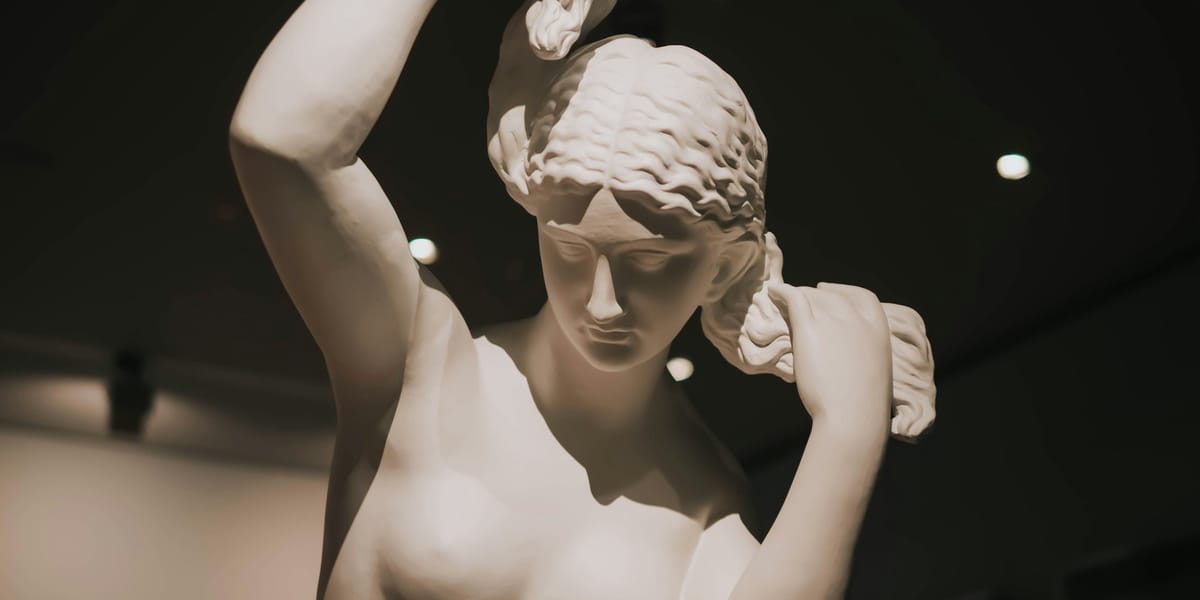
Light isn't just what allows seeing objects. It's what creates the perception of three-dimensional form on flat surfaces, establishes spatial relationships, generates atmosphere and mood, and carries symbolic and psychological weight. A sphere drawn in line remains ambiguous until light and shadow reveal its roundness. A landscape photograph changes completely depending on whether it's shot in harsh midday sun or soft dawn light. An installation can feel welcoming or menacing based entirely on lighting choices.
Understanding light means recognizing it as fundamental sculptural and compositional element, not just as illumination that happens to be present. Every decision about light—its direction, quality, color, intensity—affects how form reads, how space feels, and what the work means. Artists who understand light can control these effects intentionally rather than accepting whatever illumination happens to exist.
This guide examines light's behavior and effects across drawing, painting, photography, sculpture, and installation. It covers the physics of how light works, the perceptual mechanisms through which light is experienced, and the practical and conceptual applications of light in making art. Light is too fundamental to visual experience to be relegated to technical detail. It deserves sustained, serious attention.
What Light Actually Does
Light is electromagnetic radiation traveling in waves until it strikes surfaces where it's absorbed, reflected, or transmitted. This physical behavior creates all visual experience.
When light hits opaque surfaces, some wavelengths are absorbed and others are reflected. The reflected wavelengths determine the perceived color. A red apple absorbs most wavelengths except those around 650-700 nanometers, which it reflects, creating the perception of redness.
Reflection can be specular (mirror-like) or diffuse (scattered). Smooth surfaces create specular reflection where light bounces at predictable angles, creating highlights and mirror images. Rough surfaces create diffuse reflection where light scatters in many directions, creating matte appearance without sharp highlights.
Most surfaces exhibit both types of reflection to varying degrees. Glossy paint has more specular reflection. Matte paint has more diffuse reflection. The ratio determines how shiny versus matte a surface appears.
Transparent materials transmit light, allowing it to pass through. But transmission isn't perfect—some wavelengths get absorbed, some get scattered, creating the material's color and clarity. Clear glass transmits most wavelengths with minimal scattering. Colored glass absorbs some wavelengths while transmitting others.
Translucent materials like wax or thin fabric transmit light diffusely, scattering it as it passes through. This creates soft, glowing quality different from transparent or opaque materials.
The angle at which light strikes a surface affects how much gets reflected versus absorbed. Light hitting surfaces perpendicularly reflects less than light hitting at acute angles. This is why water appears darker when looking straight down into it versus at an angle where more light reflects off the surface.
Light intensity diminishes with distance from the source following inverse square law—doubling distance quarters the light intensity. This affects how evenly lit spaces are and how dramatic light falloff appears.
All these physical behaviors create the visual effects that artists observe and represent or manipulate directly in installation work. Understanding the physics helps predict and control how light will behave.
Types of Light and Their Character
Different light sources and conditions create characteristically different visual effects.
Direct light from point sources like sun or spotlights creates hard-edged shadows and strong value contrasts. The light travels in essentially parallel rays from the source, creating sharp shadow boundaries where objects block it.
Direct sunlight on cloudless days creates the harshest light with maximum contrast between lit and shadowed areas. This dramatic light can reveal form strongly but can also create overly harsh effects with unflattering shadows.
Diffused light from large sources or overcast skies creates soft-edged shadows and gentle value transitions. The light comes from many directions rather than a single point, wrapping around forms and creating gradual shadow edges.
Overcast daylight provides large, diffused light source. The entire sky becomes the light source, creating nearly shadowless illumination. This gentle light reveals subtle form without dramatic contrasts.
Reflected light bounces from one surface onto another, filling in shadows and reducing contrast. Light reflecting off floors, walls, or other objects illuminates shadow areas that would otherwise be dark.
Understanding reflected light prevents making shadows too dark. In most real-world conditions, shadows receive significant reflected light keeping them lighter than they would be in isolation. Missing this reflected light makes work feel harsh and unnatural.
Transmitted light passes through translucent materials, creating glowing quality. Backlit leaves, skin, fabric all glow when light transmits through them. This transmitted light creates distinct effects impossible with reflected light alone.
Stained glass, for example, only works through transmitted light. The colored glass glows when lit from behind, creating effects that painting or other reflected-light media can't match.
Artificial light sources each have characteristic qualities. Tungsten bulbs create warm, yellowish light. Fluorescent tubes create cool, often greenish light. LEDs vary widely depending on design but can approximate any color temperature.
The color temperature of light, measured in Kelvin, describes its warmth or coolness. Low color temperature (2700-3000K) is warm and yellow-orange. High color temperature (5000-6500K) is cool and blue-white. This temperature affects all perceived colors in the scene.
Form Shadow and Cast Shadow
Understanding the difference between form shadows and cast shadows is essential for representing light convincingly.
Form shadow (also called attached shadow) is the shadow on the object itself where it turns away from light. This shadow reveals the object's three-dimensional form. A sphere's form shadow gradates smoothly from light to dark as the surface curves away from light.
Form shadow on curved surfaces transitions gradually. On planar surfaces, form shadow has harder edges where planes meet. A cube has distinct shadow edges where each face meets another. Understanding whether forms are curved or planar determines how gradual or abrupt form shadow transitions should be.
The terminator is the line or area where form shadow meets lit area. On curved forms like spheres or cylinders, the terminator is a gradual zone of transition. On angular forms, the terminator is a distinct edge.
Core shadow is the darkest part of form shadow, typically just inside the terminator. This area receives the least reflected light because it's turned away from the primary light source and is often blocked from reflected light by the object itself.
Reflected light illuminates the form shadow side of objects, particularly near edges. This light bouncing from surrounding surfaces prevents shadows from going completely black and creates subtle modeling within shadow areas.
The reflected light creates a lighter band near the edge of objects within the shadow side. This edge light, when present and correctly observed, prevents objects from appearing flat and creates the sense that they exist in real space with light bouncing around them.
Cast shadow is shadow that objects cast onto other surfaces by blocking light. Cast shadows reveal spatial relationships between objects and surfaces. A cast shadow describes the object casting it, the surface receiving it, and the light source's position.
Cast shadow shape depends on object shape, light direction, and receiving surface orientation. Shadows cast onto flat surfaces perpendicular to the light direction appear as relatively accurate silhouettes of the casting object. Shadows on angled surfaces distort.
Cast shadow edges vary in sharpness depending on light source and distance. Small, intense light sources (like sun) create sharp-edged cast shadows. Large, diffused sources create soft-edged cast shadows. Shadows close to casting objects are sharper than shadows far from them.
Cast shadow value is darkest near the casting object and often lightens with distance due to reflected light filling the shadow. This gradation creates depth and prevents cast shadows from appearing as flat, dead shapes.
Light Direction and Form Revelation
The direction light comes from dramatically affects how form reads and what spatial and emotional qualities are created.
Front lighting comes from direction of viewer, illuminating what's visible and minimizing shadows. This flattens form because little shadow modeling is visible from the viewing position. Front light creates minimal mystery and maximum clarity.
Fashion photography often uses front or slightly elevated front light to minimize wrinkles and create flattering, even illumination. But this same even lighting can feel boring in other contexts.
Side lighting comes from the side relative to viewer, creating strong form shadow that reveals three-dimensional structure. This is often ideal for revealing form because shadow modeling is clearly visible.
Rembrandt lighting, used in portrait painting and photography, places the main light 45 degrees to the side and slightly above, creating characteristic triangular highlight on the shadowed cheek. This creates dramatic but natural-looking modeling.
Three-quarter lighting, between front and side, creates moderate shadow modeling without going fully dramatic. This versatile lighting works for many subjects and purposes.
Back lighting comes from behind the subject relative to the viewer, creating rim light around edges and making the main visible surfaces shadowed. This creates dramatic silhouettes or glowing edge effects.
Backlit subjects can be rendered as silhouettes where internal detail is subordinated to overall shape. Or they can be revealed through ambient or reflected light while the backlighting creates glowing halos.
Top lighting comes from above, creating shadows under projections and overhangs. This is common natural lighting from overhead sun or ceiling lights. It creates different character than lighting from other directions.
Harsh top lighting can create unflattering shadows under eyes, nose, chin in portraiture. But architectural forms often look strong under top lighting that emphasizes their mass and weight.
Bottom lighting, rare in nature except from snow or water reflection, feels unnatural and often ominous. Horror films use bottom lighting to create disturbing effects because it contradicts normal lighting expectations.
Multiple light sources from different directions create complex lighting with multiple shadows and varied modeling. Studio photography often uses main light, fill light, rim light, each serving different purposes and creating combined effect.
Understanding how light direction affects form allows choosing or creating lighting that serves the work. Different subjects and purposes require different lighting approaches.
Light Quality: Hard Versus Soft
The hardness or softness of light—determined by light source size relative to subject—fundamentally affects visual character.
Hard light from small, intense sources creates sharp-edged shadows, high contrast, and dramatic modeling. The shadows have distinct boundaries and the transition from light to shadow is abrupt.
Sunlight on clear days is hard light. Despite the sun being huge, it's so distant that it acts as a point source, creating parallel rays and sharp shadows. This creates the crisp shadows visible on sunny days.
Hard light reveals texture through the sharp shadows cast by small surface variations. Every bump and dip creates a distinct shadow, making surface texture highly visible.
Spotlight or bare bulb lighting creates hard light in studio or installation contexts. This dramatic lighting emphasizes form and texture but can be harsh and unflattering for some subjects.
Soft light from large sources relative to subject creates gradual shadow edges, low contrast, and gentle modeling. The transition from light to shadow is gradual with no sharp boundaries.
Overcast sky is extremely soft light. The entire sky becomes the light source, larger than any subject, creating nearly shadowless illumination with gentle, wrapping light.
Soft light minimizes texture by reducing the small shadows that reveal surface variation. This can be flattering for portraits because it minimizes skin texture and wrinkles.
Large softboxes or diffusion screens in photography create soft light by expanding the effective light source size. Light passes through or bounces off large surfaces before reaching the subject.
Window light can be hard or soft depending on sun conditions and window size. Direct sunlight through small window creates relatively hard light. Indirect light through large window on overcast day creates very soft light.
The quality choice affects mood and meaning. Hard light feels dramatic, harsh, revealing, sometimes aggressive. Soft light feels gentle, flattering, peaceful, sometimes boring or bland.
Matching light quality to subject and purpose is key decision. Some subjects benefit from hard light's drama and texture revelation. Others need soft light's gentleness.
Mixed lighting using both hard and soft sources creates complexity. A hard main light with soft fill creates moderate contrast with drama. This combination is common in portrait photography.
Chiaroscuro and Tenebrism
Chiaroscuro—the dramatic use of strong light-dark contrasts—has been fundamental approach in Western art since Renaissance.
The term literally means "light-dark" in Italian and describes technique of modeling form through value contrasts while creating atmospheric and dramatic effects through the interplay of light and shadow.
Leonardo da Vinci pioneered chiaroscuro's sophisticated use, creating soft, gradual transitions from light to shadow (sfumato) while maintaining strong overall value contrasts. His portraits glow with internal light while forms emerge from shadowed backgrounds.
Caravaggio intensified chiaroscuro into tenebrism—extremely dramatic contrast where deep shadows dominate and strong light dramatically spotlights key elements. Tenebrism creates theatrical, focused lighting where most of the composition exists in shadow.
Caravaggio's lighting often seems to come from outside the picture, creating artificial, staged quality. This theatrical light focuses attention and creates psychological intensity. The darkness becomes as important as the light.
Rembrandt's chiaroscuro is less extreme than Caravaggio's but equally masterful. Rembrandt's shadows are luminous rather than dead black, full of subtle reflected light and warm tones. His light feels more natural while remaining dramatic.
The Rembrandt lighting pattern in portraiture—creating a small triangle of light on the shadowed cheek—comes from studying his portraits. This pattern creates modeling and drama while remaining psychologically warm.
Georges de La Tour pushed tenebrism toward its extreme, creating paintings dominated by deep shadow with single candle or lamp providing the only light source. These night scenes create profound quiet and contemplation through the darkness.
Contemporary artists continue using chiaroscuro effects. Photographers like Bill Henson create deeply shadowed work with dramatic highlights. Installation artists use spotlighting and shadow to create theatrical emphasis.
The psychological and spiritual associations of light and dark make chiaroscuro more than just technical approach. Light represents knowledge, divinity, goodness. Darkness represents ignorance, mortality, evil. Using strong contrasts invokes these symbolic meanings whether intentionally or not.
Understanding chiaroscuro as both technique and symbolic language enables using it consciously rather than just copying its surface appearance.
Atmospheric Perspective
Distance affects how light and color appear, creating atmospheric or aerial perspective that suggests depth through light and color shifts.
Distant objects appear lighter, cooler, and less saturated than near objects due to atmospheric scattering of light. Short wavelength blue light scatters more than long wavelength red light, making distant objects appear bluish.
Mountains in the distance appear blue-gray and lighter than foreground terrain. This isn't local color—it's atmospheric effect. The farther away something is, the more air between viewer and object, the stronger the effect.
Value contrast diminishes with distance. Near objects show strong lights and darks. Distant objects compress toward middle values as atmospheric scattering lightens darks and mutes lights.
This contrast reduction is powerful depth cue. Increasing value contrast in foreground and decreasing it in background creates convincing spatial depth.
Color saturation decreases with distance. Intense local colors desaturate toward neutral blue-gray with distance. Bright reds, greens, yellows in foreground become muted, grayed colors in background.
Edge quality softens with distance. Sharp, defined edges in foreground become vaguer, softer edges in distance as atmospheric scattering blurs detail.
Temperature shifts cooler with distance. Warm colors dominate foreground. Cool colors dominate distance. This temperature shift reinforces other atmospheric perspective cues.
Leonardo's paintings demonstrate sophisticated understanding of atmospheric perspective. His distant landscapes fade to blue-gray with soft edges and reduced contrast while foregrounds maintain color, detail, and contrast.
Chinese landscape painting uses atmospheric perspective extensively, creating vast spatial depth through progressive lightening and cooling of distant mountains. The farthest peaks dissolve into mist, barely distinguishable from sky.
Photographers working in landscape must account for atmospheric perspective or work against it. Long telephoto lenses compress atmospheric effects, stacking distant elements with less apparent depth. Wide lenses emphasize atmospheric perspective by including near and far elements.
Installation artists can create atmospheric effects artificially through graduated lighting, fog, or translucent scrims that progressively obscure distant elements.
Understanding atmospheric perspective enables both realistic spatial description and deliberate violation for expressive purposes. When spatial relationships feel wrong, checking atmospheric perspective consistency often reveals the problem.
Light in Installation and Sculpture
Three-dimensional work exists in actual light rather than representing it, requiring different understanding and control.
Sculpture depends entirely on light to be visible. Unlike painting which has depicted light, sculpture relies on actual light to reveal form. The same sculpture looks completely different under different lighting.
Top lighting emphasizes horizontal surfaces and creates shadows under overhangs. This is common in galleries with ceiling-mounted lighting. It makes sculpture appear grounded and weighted.
Grazing light from low angles emphasizes texture by creating tiny shadows from surface variations. This reveals carving marks, material texture, and surface quality invisible under flat frontal lighting.
Spotlighting creates dramatic emphasis but also harsh shadows and high contrast. This theatrical lighting directs attention forcefully but can be too dramatic for contemplative work.
Ambient lighting from multiple directions creates even illumination without dramatic shadows. This prevents any single viewpoint from being obviously preferred and allows form to read from all angles.
Natural lighting through windows changes constantly, making sculpture appear different throughout the day. This variability can be feature or problem depending on artistic intent and practical needs.
Richard Serra's massive steel sculptures rely on light to reveal their curved surfaces. The gradual form shadow across the curves creates the volume perception. Under flat lighting, the dramatic three-dimensionality diminishes.
Installation art often uses lighting as primary medium. Dan Flavin's fluorescent tube installations are entirely about colored light in architectural space. James Turrell creates rooms and apertures where light itself becomes the subject.
Projection mapping uses projected light to transform existing surfaces, creating effects impossible with static lighting. The projected imagery follows three-dimensional forms, creating illusions of surface transformation.
Colored light affects all perceived colors through subtractive mixing. Red light makes red objects appear saturated but makes cyan objects appear dark and desaturated. The light color acts as filter determining which wavelengths can be reflected.
Installation artists working with colored light must understand these interactions. Multiple colored lights mixing create combined effects—red and green lights mix to yellow. The additive mixing of light differs from subtractive mixing of pigments.
Shadow becomes sculptural element in installation. The shadows cast by objects can be as important as the objects themselves, creating doubled presence—physical object and its shadow.
Tim Noble and Sue Webster create sculptures from junk that cast intricate shadow silhouettes when lit from specific angles. The work exists equally in the chaotic objects and their ordered shadows.
Light and Time
Light changes over time, affecting how work appears and creating temporal dimension even in static media.
Sunlight shifts angle and quality throughout day. Morning light is warm and low-angled. Midday light is cool and overhead. Evening light is warm and low again. These shifts completely change appearance.
Monet's haystack and cathedral series demonstrate obsession with changing light. He painted the same subjects at different times of day and in different seasons, capturing how light transforms appearance.
Outdoor sculpture appears different depending on time of day. Morning light creates different shadows and form revelation than evening light. Midday overhead light differs from low-angled morning or evening light.
Some artists design work specifically for particular lighting moments. Nancy Holt's Sun Tunnels align with sunrise and sunset on summer and winter solstices, creating specific viewing experiences tied to solar position.
Seasonal light changes affect both color temperature and angle. Winter sun is lower in sky creating long shadows even at midday. Summer sun is high creating minimal midday shadows. The quality shifts between seasons.
Indoor artificial lighting can remain constant or change programmatically. Some installations use timed lighting sequences creating changing effects. The work exists across time rather than as static configuration.
James Turrell's skyspaces frame sky through apertures, making light and its changes the content. As daylight fades and sky darkens, the work transforms, creating extended viewing experience rather than single-moment perception.
Photography must choose or create specific lighting moment. The captured light is fixed, unlike painting which can synthesize or imagine lighting. This temporal specificity is both limitation and opportunity.
Landscape photographers chase "golden hour" light—the warm, low-angled light shortly after sunrise or before sunset. This brief window creates ideal conditions for dramatic landscape photography.
Long exposure photography accumulates light over time, creating effects impossible to perceive directly. Streaking lights, smoothed water, star trails all result from extended time capturing light.
Symbolic and Psychological Light
Light carries symbolic meanings and psychological effects beyond its physical and formal properties.
Light as divine or spiritual is ancient association across cultures. Churches use light symbolically, orienting east to catch sunrise, creating rose windows for colored light, designing spaces where light creates transcendent effects.
Rothko Chapel in Houston uses natural light from skylight creating quietly changing illumination for contemplative viewing of his dark canvases. The light creates spiritual atmosphere supporting the work's meditative character.
Enlightenment metaphor pervades Western thought—light represents knowledge, understanding, truth. Darkness represents ignorance, confusion, falsehood. These associations affect how light and shadow read symbolically.
Rembrandt's religious paintings use light symbolically while remaining naturalistically plausible. Light illuminates holy figures suggesting divine presence while maintaining convincing physical light behavior.
Horror and film noir use darkness and shadow to create psychological tension and threat. What's hidden in shadow becomes menacing. Harsh, angular shadows create anxiety. This emotional lighting is formulaic but effective.
Contemporary art uses light's psychological effects consciously. Bruce Nauman's corridor installations use lighting to create claustrophobic or disorienting spaces. The light itself creates psychological pressure.
Warm light creates welcoming, comfortable feelings. Cool light creates distance, clinical feelings. This temperature-emotion association is partly physiological, partly cultural conditioning.
Restaurants use warm lighting to create intimacy and comfort. Hospitals use cool lighting for clinical clarity and hygiene association. The lighting choice affects the space's psychological character.
Brightness affects arousal and mood. Bright light increases alertness and energy. Dim light reduces arousal, creating calm or lethargy. The intensity is tool for controlling psychological state.
Gallery lighting typically uses neutral temperature and moderate brightness allowing sustained, comfortable viewing without fatigue. But artists can request different lighting creating specific psychological effects.
Ann Hamilton's installations often use specific lighting creating particular atmospheric and psychological qualities. The light isn't neutral but contributes to the work's overall emotional tone.
Painting Light
Representing light in two-dimensional media requires translating three-dimensional light effects into paint, drawing, or photography.
Value structure is foundation for convincing light. Getting values correct makes light feel real even if colors are wrong. Getting colors right with wrong values never works.
Squinting or photographing reference in black-and-white reveals pure value relationships without color distraction. This helps establish correct value structure before addressing hue and saturation.
The lightest light and darkest dark establish value range. Assessing these extremes first provides framework for all intermediate values. Inaccurate extreme values throw off entire lighting.
Highlights are the lightest areas where specular reflection creates bright spots. These are often pure white or near-white. Missing highlights makes surfaces look matte even when they should be glossy.
Half-tones are mid-values where form transitions from light to shadow. These subtle gradations often cover large areas and require careful observation. Getting half-tones right creates convincing form modeling.
Core shadow, reflected light, and cast shadow each have characteristic values and relationships. Understanding these relationships prevents making shadows uniformly dark or missing reflected light.
Color temperature shifts across form from light to shadow. Warm light creates cooler shadows. Cool light creates warmer shadows. This temperature opposition comes from color of light source and reflected light.
Impressionist painting demonstrated that shadows aren't just darker versions of local color. Shadows have their own color, often cooler or influenced by sky light and surrounding reflected colors.
Paint application can suggest light quality. Smooth, blended paint suggests soft light. Bold, direct brushwork suggests hard light or strong illumination. The technique reinforces what the values describe.
Edges where light meets shadow reveal light quality. Hard-edged transitions suggest hard light. Soft, gradual transitions suggest soft light. Edge quality is essential tool for suggesting lighting character.
Compositional use of light creates focal points and mood. Light naturally draws attention. Placing strongest light-dark contrast where emphasis is wanted directs viewer attention.
Some paintings make light the primary subject. Turner's late work is more about atmospheric light effects than the ostensible subjects. The light becomes content, not just means of revealing content.
Photography and Light
Photography is fundamentally about capturing light, making understanding light essential to photographic practice.
Exposure triangle—aperture, shutter speed, ISO—controls how much light the sensor or film receives. Understanding this relationship enables intentional exposure choices rather than automatic settings.
Large aperture (small f-number) allows more light but creates shallow depth of field. Small aperture (large f-number) requires more light or longer exposure but creates deep depth of field. The aperture choice affects both exposure and focus.
Fast shutter speed requires more light but freezes motion. Slow shutter speed captures more light but blurs movement. The shutter speed affects both exposure and temporal rendering.
High ISO increases sensor sensitivity allowing shooting in low light but introduces noise or grain. Low ISO requires more light but produces clean images. The ISO affects both exposure and image quality.
Balancing these three variables creates desired exposure while controlling depth of field, motion rendering, and noise levels. No single correct balance exists—it depends on priorities for specific situation.
Natural light photography works with existing light rather than adding artificial sources. This requires understanding how available light behaves and timing or positioning to work with it.
Golden hour, blue hour, overcast conditions, open shade all create different natural lighting with different qualities. Choosing when and where to shoot determines available lighting.
Flash and continuous lighting add or supplement natural light. On-camera flash creates flat, frontal lighting. Off-camera flash allows directional lighting control. Continuous lights show their effect in real-time unlike flash.
Direction, diffusion, and color of artificial light all require conscious choice. Bouncing flash off walls or using diffusers softens harsh direct flash. Gels change light color for creative or corrective purposes.
High-key photography uses predominantly light tones creating bright, airy mood. Low-key photography uses predominantly dark tones creating dramatic, moody effects. The key choice affects emotional tone.
Silhouettes created through backlighting emphasize shape over detail. Exposing for the background makes the subject dark, creating graphic shape-based images.
Long exposure captures light over extended time, creating effects like light trails, star trails, or smoothed water. This temporal accumulation creates scenes impossible to perceive directly.
HDR (high dynamic range) photography combines multiple exposures capturing different value ranges, allowing representation of scenes with extreme value contrasts that single exposures can't capture.
Understanding light's behavior allows anticipating or creating photographic opportunities rather than just recording what's present.
Light as Medium
Some artists use light itself as primary medium rather than representing it.
Light art installations use artificial light sources—neon, LED, projection, fiber optics—to create work existing as light in space.
Dan Flavin's fluorescent tube installations use commercial lights creating colored light environments. The tubes are sculpture but more importantly sources of light transforming the space they occupy.
James Turrell's work investigates perception of light and space. His apertures frame sky, making natural light visible as subject. His constructed light spaces create immersive experiences of pure light and color.
Olafur Eliasson's installations often use light as primary element. His weather project filled Tate Modern's turbine hall with glowing sun and mist, creating environmental light experience.
Light sculpture differs from illuminated sculpture. Light sculpture uses light as material creating form through illumination patterns rather than physical materials.
Anthony McCall's solid light works use projected beams in haze creating volumetric forms of light. Viewers can walk through the light beams experiencing them as sculptural presence.
Projection mapping transforms surfaces through projected light creating illusions of movement, transformation, or non-existent depth. Buildings become screens for dynamic light imagery.
Festival installations and architectural lighting increasingly use projection mapping creating spectacular light shows. The technology enables effects impossible with static lighting.
LED technology enables sophisticated light control with individual addressable pixels creating dynamic light sculptures. The programmability allows changing effects creating temporal dimension.
Light festivals worldwide showcase light art, creating temporary installations transforming urban spaces. These public light works demonstrate light's capacity to transform and activate architecture and public space.
Understanding light as material requires thinking about duration, programming, power requirements, installation logistics all beyond traditional art material concerns.
Practical Light Control in Studio
Artists working from life or creating installations need practical understanding of controlling light.
North light studios historically preferred because north windows receive indirect light throughout day without direct sun. This consistent, diffused light allows extended working without dramatic light changes.
South-facing studios receive direct sun creating changing, often harsh light. This variability is challenge for sustained work but the strong light can be dramatic and revealing.
Artificial lighting in studio allows controlled, consistent conditions. Daylight-balanced bulbs approximate natural light color temperature. High CRI (color rendering index) bulbs render colors accurately.
Spotlights provide directional light for observing form shadow and cast shadow clearly. Floodlights or diffused sources provide even illumination for seeing overall composition.
Adjustable lighting with dimming, positioning, and focusing capabilities allows setting up specific lighting scenarios for study or for photographing work.
Simple setups using desk lamps or clip lights create workable directional lighting for studying form and practicing light observation. Expensive equipment isn't necessary for learning.
Black, white, and gray cards or panels positioned to block, reflect, or absorb light allow modifying existing light. These simple tools create surprising control.
Diffusion materials—shower curtains, frosted plastic, white fabric—soften harsh light. Positioning these between light source and subject creates larger, softer source.
Gallery lighting requires understanding museum standards and common gallery capabilities. Most galleries use ceiling track lights with adjustable spotlights. Requesting specific lighting sometimes possible but varies by venue.
Photographing artwork requires consistent, even lighting to document accurately. Two lights at 45-degree angles prevents hot spots while providing even coverage. Polarizing filters eliminate glare from glossy surfaces.
Testing lighting setups before final installation prevents surprises. Mock-ups or temporary setups allow checking how lighting affects work before committing to final configuration.
Building Light Observation Skills
Understanding light theoretically helps but observation skills develop through sustained looking and practice.
Observing how light affects objects in real environments trains perception. Notice where shadows fall, how edges vary, where reflected light appears, how surface quality affects light interaction.
Spending time watching light change over day builds understanding of temporal variation. Morning, midday, and evening light create different effects worth sustained observation.
Studying master paintings that handle light exceptionally well teaches through example. Look at Vermeer's interior light, Rembrandt's chiaroscuro, Velazquez's atmospheric effects, Caravaggio's drama.
Copying light effects from masterworks through drawing or painting forces careful observation of exactly how light was rendered. This direct engagement teaches more than passive viewing.
Drawing or painting the same subject under different lighting conditions demonstrates how dramatically light affects appearance. Still life setups with movable lights allow experimenting with light direction and quality.
Photography exercises isolating light variables build understanding. Shoot same subject in different light. Shoot different subjects in same light. Compare results noticing exactly what changes.
Quick value sketches focusing only on light-dark patterns without detail develop seeing value relationships accurately. Squinting helps eliminate detail focusing attention on major value masses.
Time-limited exercises force decisive observation rather than tentative searching. Ten-minute light studies capture essential relationships before light changes significantly.
Noticing light in daily life, not just when intentionally observing, builds sustained awareness. How does morning light in your kitchen differ from afternoon light? What quality does shopping mall lighting have? How does sunset light change buildings?
Accepting that light observation is skill requiring years to develop prevents frustration. Every observation session builds understanding informing future work. The learning never stops because light is infinitely complex.
Light creates form by revealing three-dimensional structure through shadow and highlight. It creates space through atmospheric perspective and value relationships. It creates meaning through symbolic associations, psychological effects, and cultural contexts. Understanding light means recognizing it not as background condition but as fundamental element deserving conscious attention and deliberate control. Whether representing light in two-dimensional work or using actual light in installation and sculpture, artists who understand light's behavior, effects, and meanings can make informed decisions serving their work rather than accepting whatever illumination happens to exist. Light is too important to be left to chance.