How Regional Artists Actually Get Into Local Group Shows Without Gallery Representation
Regional artists reveal how they actually get into local group shows. Application strategies, curator relationships, and portfolio approaches that work.
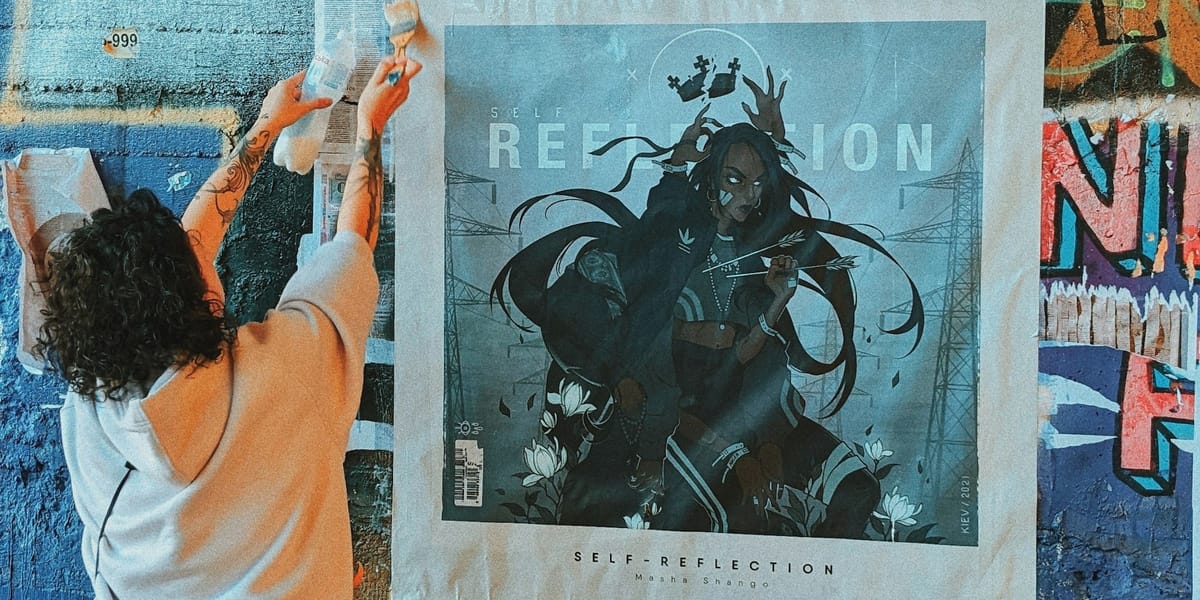
Group exhibitions remain the most accessible entry point for artists without representation. Not juried competitions with $45 entry fees and 3% acceptance rates. Not open calls requiring shipping costs that exceed potential sales. Local group shows curated by people who live in your city, see your work in person, and understand your practice because they've watched it develop over months or years.
These exhibitions don't generate press in major art publications. They won't catapult you into institutional collections.
But they create the professional foundation that makes everything else possible.
The Geographic Advantage Nobody Discusses
Artists in New York compete against thousands of MFA graduates for every opportunity. Los Angeles has similar density. Chicago, Philadelphia, Boston. The major markets overflow with talented practitioners fighting for limited exhibition slots.
Regional cities operate differently.
A curator programming four group shows annually in Richmond needs to find 40 to 60 artists whose work justifies public presentation. The local talent pool, while substantial, doesn't provide infinite options. This creates opportunity for artists who make themselves visible, produce consistent work, and engage professionally with the local art community.
The math favors regional artists willing to commit to their locations. Fewer artists competing for proportionally similar numbers of exhibition opportunities. Curators actively seeking new work to keep programming fresh. Gallery directors trying to balance established names with emerging practitioners to maintain audience interest.
You're not fighting against every artist in North America. You're competing within a specific geographic and professional context where persistence and visibility matter more than credentials from elite institutions.
What Curators Actually Look For When Programming Group Shows
Forget the romantic notion of curators discovering unknown genius in obscure studio visits. The reality involves practical considerations about how work functions in specific spaces, whether an artist can meet deadlines, and if the practice has enough depth to withstand public scrutiny.
Thematic coherence matters, but not how artists typically imagine.
Curators don't search for work that literally illustrates exhibition themes. They look for practices that can productively dialogue with conceptual frameworks without being reduced to simple examples. An exhibition about memory doesn't need paintings of photographs and childhood homes. It needs work that engages temporal complexity, subjective experience, or the unreliability of recollection in ways that expand rather than merely demonstrate the curatorial premise.
Technical competence is non-negotiable. The work doesn't need to be conventionally beautiful or made with traditional materials. But it must demonstrate intentionality. Sloppy craftsmanship signals either lack of skill or lack of care. Both make curators hesitant.
Professional reliability weighs more heavily than artists realize. Can you deliver work on schedule? Do you provide accurate dimensions? Will you show up to install on time? These seem basic, but curators remember the artist who submitted a proposal for a 6-foot sculpture then arrived with a 12-foot piece requiring structural modifications. They remember the painter who promised three works and delivered one. They definitely remember the artist who simply didn't show up to their own opening.
Your work might be brilliant. If you're unreliable, curators won't risk programming you.
Scale and practical considerations shape every group show. Curators work within specific spatial constraints. They need work that fits the available walls, floors, and ceiling heights. They balance large ambitious pieces with smaller works to create visual rhythm. They consider sight lines, traffic flow, and how different pieces interact when installed adjacently.
This means your massive installation faces more competition than your medium-scale paintings. Not because the installation is less compelling, but because programming it requires more spatial commitment and creates more logistical complexity.
The Application That Actually Gets Read
Most artists submit identical materials to every opportunity. Generic artist statement. Standard CV. Portfolio images showing greatest hits regardless of exhibition context.
This approach fails.
Successful applications demonstrate specific understanding of the exhibition premise, the presenting institution, and how your practice connects to both. This doesn't mean pandering or contorting your work to fit irrelevant themes. It means identifying genuine alignments and articulating them clearly.
Start with the exhibition description. Read it multiple times. Identify the key conceptual concerns, the aesthetic territory being explored, the questions being asked. Now consider which aspects of your practice genuinely engage these concerns. Not surface similarities. Actual conceptual or formal resonances.
Write three sentences maximum explaining this connection. Be specific. Avoid art-speak abstractions like "exploring the intersection of memory and materiality." Instead: "My recent paintings use wax encaustic layered over oil to create surfaces that obscure and reveal simultaneously, addressing how recollection functions through partial concealment rather than total clarity."
Your images need to support this claim immediately. Don't make curators hunt through 20 portfolio images trying to understand which work relates to the exhibition. Show the most relevant 5 to 8 pieces. Provide clear, well-lit documentation. Include dimensions, materials, and dates.
The artist statement should be current, concise, and free of meaningless mystification. Curators read hundreds of statements. They can spot when you're hiding weak ideas behind opaque language. Clear writing signals clear thinking.
Your CV matters less than you think for local group shows, but it still needs to be clean, accurate, and free of obvious padding. Don't list every group show in every cafe. Focus on exhibitions in recognized venues, residencies, grants, and education. If your CV is thin, keep it short. A half-page of legitimate accomplishments reads better than two pages of filler.
Building Curatorial Relationships Without Being Obvious About It
Artists often approach relationship-building with transparent careerism that curators find off-putting. Showing up to openings only to corner the curator with portfolio materials. Sending monthly emails updating them on your practice when you barely know their name. Asking for studio visits before you've had a single genuine conversation about art.
This desperation repels.
Effective relationship-building happens through authentic engagement with the local art community. Attend exhibitions regularly. Not just openings. Return during gallery hours to spend time with work. Develop informed opinions about what you're seeing. When you encounter curators at events, have actual conversations about the exhibitions, not about your career needs.
Write about shows publicly. Not promotional fluff, but substantive engagement. Post thoughtful responses on social media, contribute to local art publications, maintain a blog where you analyze exhibitions. Curators notice when artists demonstrate serious critical engagement with their programming.
Volunteer for arts organizations. Install exhibitions. Serve on committees. Participate in panel discussions. This visibility matters, but only if your participation adds value rather than merely promoting yourself.
Studio visits develop organically from these interactions. Once you've established yourself as someone seriously engaged with the local scene, curators become genuinely curious about your work. The studio visit shifts from awkward sales pitch to authentic exchange between practitioners.
When that visit happens, your studio needs to reflect sustained professional practice.
Have substantial work available to see. Not just a few pieces. Enough to demonstrate ongoing investigation and development. Keep the space organized enough that work is visible and accessible. Be prepared to discuss your practice intelligently without rehearsed speeches. Have documentation of recent work readily available.
Follow up afterward is simple. Send a brief thank-you email. If they expressed interest in specific pieces or themes, you might share an update months later when relevant development occurs. Don't badger them for decisions or opportunities.
The Portfolio That Generates Invitations
Your portfolio is not a retrospective. It's a strategic selection demonstrating current practice and specific capabilities.
Most artists maintain an archive showing everything they've ever made. Fine for personal records. Useless for professional purposes. Curators need to understand your practice quickly. They're looking at dozens of portfolios. Show them your strongest, most cohesive work immediately.
Ten to fifteen images maximum for digital portfolios sent to curators. These should represent work from the past two years, showing development of specific ideas or formal investigations. Don't jump between radically different bodies of work. Coherence signals mature practice.
Each image needs professional documentation. Proper lighting, color accuracy, appropriate cropping. Hire a photographer if your own documentation skills are weak. Poor images make strong work look amateurish.
Include complete information for every piece. Title, year, dimensions, materials. This seems obvious, but artists constantly submit portfolios missing basic details.
For in-person portfolio reviews, bring both physical prints and a tablet with additional images. Prints allow for careful examination and create more intimate viewing experience. Digital backup provides access to broader range of work if conversation warrants.
Physical portfolios should be contained in clean, professional presentation materials. Not luxury leather cases. Just organized, protected, easy to handle.
Website portfolios need clean design that foregrounds images. Avoid complicated navigation, autoplay videos, or music. Make sure the site loads quickly and displays properly on phones. Curators often review portfolios on mobile devices between other commitments.
Update your portfolio regularly. Outdated work or dead links signal neglect. If you're not maintaining basic professional materials, curators assume you won't maintain professional standards in other areas.
The Exhibition History Paradox
You need exhibition history to get exhibition opportunities. But you can't get exhibition history without opportunities.
This paradox frustrates emerging artists endlessly.
The solution involves strategic pursuit of varied exhibition contexts that build legitimate track record without waiting for ideal opportunities.
University galleries often welcome local artists for group exhibitions. The prestige is modest, but the exhibition conditions are professional. Proper lighting, climate control, insurance, published materials. These shows count as legitimate experience.
Artist-run spaces provide crucial early opportunities. Many operate with serious curatorial standards despite limited budgets. Participation demonstrates community engagement and willingness to support alternative infrastructure.
Juried exhibitions at regional museums or arts centers carry more weight than most group shows. The competitive selection process validates your work. Even if you don't win awards, acceptance signals professional-level practice.
Open studios and studio tours create exhibition situations outside traditional venues. While less formal, they demonstrate your work to curators, collectors, and other artists who might generate future opportunities.
Alternative venues (restaurants, libraries, coffee shops) are delicate territory. Some artists dismiss these entirely as unprofessional. Others embrace them indiscriminately. The distinction lies in how these exhibitions are framed and installed.
A carefully curated presentation in a restaurant with proper lighting, professional labels, and serious work can be legitimate. Haphazard decorative filler on cafe walls looks exactly like what it is. If the venue allows you to control presentation standards, it might be worth considering. If they just want art-shaped objects on walls, skip it.
Documentation matters more than the venue's prestige. Professional installation photos from an artist-run space carry more weight than poorly documented work in a prestigious gallery. Curators evaluate how work looks installed, not just where it appeared.
Geographic Strategy for Regional Artists
Different regional contexts reward different strategic approaches.
Artists in mid-sized cities (200,000 to 500,000 population) often find optimal conditions. Large enough to support multiple galleries, museums, and arts organizations. Small enough that sustained visibility is achievable. The curator at the contemporary art center will eventually notice you if you're genuinely engaged with the scene.
Smaller cities present challenges around limited opportunities but offer the advantage of reduced competition. You might be one of only a dozen artists in the region working at professional level in your medium. This scarcity creates opportunity if you're patient.
Larger regional cities (over 500,000 population) function as minor versions of major markets. More opportunities but significantly more competition. More sophisticated audiences and higher professional standards. These contexts reward artists who can operate at near-metropolitan levels while benefiting from lower costs.
Your distance from major markets matters strategically. Artists three hours from New York can maintain connections to metropolitan opportunities while living affordably elsewhere. This hybrid model increasingly common among mid-career practitioners.
Artists in isolated regional locations face different calculus. Fewer local opportunities require building profile through online presence, regional travel for exhibitions, and strategic residencies that create visibility beyond your immediate geography.
Some artists try to maintain presence in multiple regional scenes simultaneously. This scattered approach rarely succeeds. Better to dominate one regional context than be peripheral in several.
What Actually Happens After the Application
Most artists submit applications then wait anxiously for responses that may never arrive.
Understanding curatorial timelines helps manage expectations.
Initial review happens relatively quickly. Curators eliminate obviously unsuitable applications within first pass. Your materials either advance or they don't.
Second review takes longer. Curators are comparing finalists, considering how different artists' work might function together, solving spatial puzzles. This stage might involve studio visits or requests for additional images.
Final selections often occur months before artists are notified. Curators need time to confirm availability, handle contracts, coordinate logistics. The gap between decision and notification frustrates artists but reflects operational reality.
Many exhibitions are programmed a year or more in advance. Your application submitted in March might be for an exhibition the following spring. Patience is structural, not personal.
Rejection doesn't necessarily reflect on your work's quality. Group shows have limited slots. Excellent work gets excluded because it doesn't fit the specific curatorial vision, duplicates another selected artist's approach, or simply because there isn't physical space for everything deserving inclusion.
No response also constitutes rejection. If the application guidelines didn't promise notification of all applicants, silence means no. Following up rarely changes outcomes and can damage future prospects if done obnoxiously.
Acceptance requires immediate professional response. Confirm participation quickly. Provide requested materials on schedule. Ask clarifying questions about technical requirements before problems arise.
The Follow-Through That Gets You Invited Back
Installation reveals professional character more clearly than portfolio materials.
Arrive when scheduled. Bring necessary tools and materials. Have your work ready to install, not requiring last-minute adjustments in the gallery. Follow the curator's direction about placement even if you privately disagree.
If problems arise (damage in transit, incorrect dimensions, technical malfunctions), alert the curator immediately. Don't try to solve everything yourself. Don't panic publicly. Propose solutions calmly.
Respect other artists' work during installation. Don't monopolize curatorial attention. Don't criticize other pieces. Installation day tests whether you can function collegially under pressure.
The opening is professional obligation, not optional social event. You need to be present, reasonably sober, and capable of discussing your work coherently. Collectors, critics, and other curators attend openings. Every conversation is potential future opportunity.
Bring friends and community. Empty openings embarrass curators and suggest weak support networks. But ensure your people actually engage with the exhibition, not just cluster around you ignoring everyone else.
Post-opening engagement matters. Visit the exhibition multiple times during its run. Document the installation professionally. Share images and information through your networks. Attend related programming. Thank the curator publicly through appropriate channels.
When the exhibition closes, de-installation requires same professionalism as installation. Arrive on schedule. Remove work efficiently. Leave the space clean. Damaged walls or abandoned materials ensure you won't be invited back.
Building Momentum Across Multiple Exhibitions
Single group show accomplishes little. Series of exhibitions over several years builds profile and credibility.
Each exhibition should connect to broader strategic development. Not random participation in whatever opportunities arise. Intentional progression demonstrating evolving practice and expanding professional network.
Track what you learn from each exhibition. Which work generated most response? What installation discoveries emerged? Which curatorial relationships seem worth developing? Apply these insights to subsequent opportunities.
Documentation from each show feeds future applications. Professional installation images demonstrate how your work functions in public space. Exhibition announcements and reviews provide third-party validation.
Space applications strategically across time. Don't exhaust your best work in first available opportunity. Save strong pieces for exhibitions with better visibility or more significant curatorial frameworks.
Geographic distribution matters for regional artists. Showing consistently in your home city establishes local profile. Occasional exhibitions in nearby regional centers extend your reach without spreading too thin.
Balance group shows with solo opportunities as they arise. Group exhibitions build network and visibility. Solo shows allow deeper investigation of specific ideas. You need both, in proportions that shift as your career develops.
What Success Actually Looks Like
Emerging artists often have unrealistic expectations about what group exhibitions accomplish.
One good group show won't transform your career. It creates a single data point on your CV. It introduces your work to specific curators, collectors, and artists. It provides installation experience and professional documentation.
That's sufficient.
Sustained participation in quality group exhibitions over years builds the foundation for more significant opportunities. Curators who see your work repeatedly in different contexts develop confidence in your practice. Collectors who encounter your work in multiple exhibitions start recognizing your name. Other artists begin considering you a peer rather than newcomer.
This accumulation happens slowly. Most artists need five to ten substantial group exhibitions before solo opportunities at serious venues become realistic. Regional variations exist, but the timeline remains longer than most expect.
Commercial success from group shows is rare but possible. Occasional sales happen. More commonly, exhibitions lead to studio visits that eventually generate sales. The commercial impact is indirect and delayed.
Critical attention from group shows usually consists of brief mention in roundup reviews or local coverage. Substantial critical engagement typically requires solo exhibitions or participation in particularly ambitious group shows.
The real value of consistent group exhibition participation is professional normalization. You transition from emerging artist to working artist. Your practice becomes established fact rather than speculative possibility. Curators stop questioning whether you're serious and start considering how your work might function in various curatorial frameworks.
The Long Game of Regional Practice
Artists often treat regional practice as temporary situation before "making it" in major markets.
This attitude undermines regional engagement.
The artists who thrive regionally commit fully to their locations. They build deep relationships with local curators, collectors, and institutions. They understand the specific dynamics of their regional scenes. They contribute to community development rather than merely extracting opportunities.
This commitment doesn't preclude ambitions beyond regional contexts. But it requires genuine investment in immediate artistic community rather than constant looking elsewhere.
Regional scenes reward sustained presence. The curator who sees you at exhibitions for years, watches your practice develop, and observes your professional growth eventually includes you in more significant projects. This relationship-building requires patience incompatible with constant geographic restlessness.
The work itself benefits from regional grounding. Artists who deeply engage with specific places, communities, and cultural contexts often produce more compelling work than those pursuing generic contemporary art strategies designed for maximum portability.
Regional group exhibitions provide the infrastructure for this engaged practice. They create regular opportunities to show work publicly, test ideas with audiences, and participate in ongoing dialogue about what art can accomplish in specific contexts.
For most artists, this regional engagement constitutes the entirety of their professional practice. Not a stepping stone to something else. The actual substance of sustaining creative work over decades.
Understanding group exhibitions within this framework transforms them from disappointing career-building tools into valuable components of meaningful artistic life. The exhibitions create connection, visibility, and continuity. They support the work without defining its entire purpose.
Success becomes showing consistently in venues you respect, developing relationships with curators whose intelligence you value, and producing work that genuinely engages the communities where you live.
Everything else is bonus.