Natural Pigments and the Geology of Color Through History
How geological processes created the pigments that colored art history. From lapis lazuli mines in Afghanistan to ochre deposits shaping cave paintings.
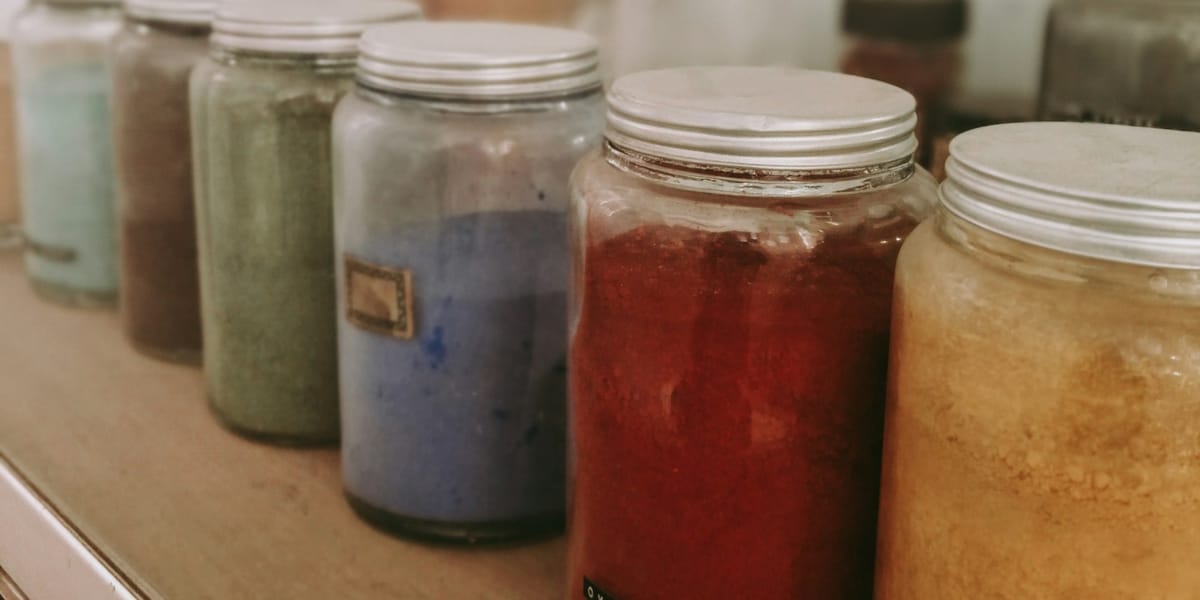
The vibrant blue in Vermeer's paintings came from rocks formed 6,000 feet underground in what is now Afghanistan through metamorphic processes that concentrated lazurite crystals over millions of years. The red in Pompeian frescoes originated from mercury sulfide deposits created by hydrothermal activity in Spanish mines. The yellow ochre that Paleolithic humans ground into powder for cave paintings represents iron oxide minerals weathered from ancient rocks.
Every color in pre-industrial painting traces back to specific geological processes occurring in particular locations under specific conditions. The history of art color is fundamentally a history of geology, mineralogy, and the geographic distribution of mineral deposits that could be transformed into usable pigments.
This geological foundation shaped what colors were available to artists in different times and places, which colors cost more than others, and how artistic styles developed partly in response to locally available pigments. The relationship between geology and art history operates through material constraints that determined palette possibilities before synthetic chemistry provided alternatives.
Understanding this relationship requires examining how different geological processes create the minerals and compounds used as pigments, where these deposits occur and why, how extraction and processing techniques evolved, and how geographic patterns of pigment availability influenced artistic development across cultures and centuries.
The story isn't just about individual pigments but about how geology created the material conditions for visual culture. The colors available to Renaissance painters versus Song Dynasty artists versus Australian Aboriginal painters differed fundamentally because of underlying geological differences in the regions where they worked.
Iron Oxides: The Universal Earth Colors
Iron oxide minerals provide the most widely distributed natural pigments because iron is the fourth most abundant element in Earth's crust and readily oxidizes under various conditions.
The yellow ochres derive from goethite and limonite, hydrated iron oxide minerals formed through weathering of iron-bearing rocks. As iron-containing minerals break down through exposure to water and oxygen, they transform into these distinctive yellow compounds.
The formation process requires specific environmental conditions: adequate moisture for chemical weathering, enough oxygen for oxidation, and appropriate pH levels. These conditions occur widely across Earth's surface, making yellow ochre available in most geographic regions.
The shade variation in yellow ochres reflects differences in crystal structure, water content, and trace element composition. The geology of the source rock and weathering conditions determine these variables, creating ochres ranging from pale yellow to deep golden browns.
The red ochres represent hematite, anhydrous iron oxide formed through more intense oxidation or dehydration of hydrated iron minerals. The conversion from yellow goethite to red hematite can occur through natural heating (like proximity to lava flows or natural fires) or deliberate heating by humans.
This transformation demonstrates early human understanding of mineral chemistry. Archaeological evidence shows intentional heating of yellow ochre to produce red pigments dating back 100,000 years or more. The controlled application of heat to transform mineral properties represents sophisticated materials science.
The purple and brown ochres contain mixtures of different iron oxide minerals along with manganese oxides, creating intermediate hues between pure yellows and reds. The specific combinations reflect complex weathering histories and mixed mineral sources.
The geological ubiquity of iron oxides meant that virtually every human culture had access to earth tone pigments. The similarity of ochre colors in Australian Aboriginal art, European cave paintings, and African rock art reflects not cultural contact but independent discovery of the same geological materials.
The deposits occur in various geological contexts: as weathering products on rock surfaces, as sedimentary accumulations in ancient lake beds, as hydrothermal deposits around hot springs, and as residual concentrations in tropical soils. This variety meant artists could often find usable ochre deposits locally rather than depending on long-distance trade.
Lapis Lazuli: Metamorphic Luxury
Lapis lazuli represents the opposite of ochre's ubiquity. The deep blue stone formed under such specific geological conditions that for millennia, the only significant source was the Badakhshan region of Afghanistan.
The formation requires metamorphism of limestone containing sulfur and silica under specific pressure and temperature conditions. The distinctive blue color comes from lazurite, a complex sulfur-containing silicate mineral that only crystallizes in this narrow range of geological environments.
The metamorphic process occurred deep underground where tectonic forces compressed and heated sedimentary limestone. The sulfur component likely came from organic matter in the original limestone reacting with silicates during metamorphism. The specific chemistry and conditions needed to produce gem-quality lapis with intense blue color occur rarely.
The Afghan deposits formed during mountain-building episodes associated with the collision of tectonic plates creating the Hindu Kush mountain range. The lapis-bearing rocks then weathered at the surface, allowing collection from rock outcrops rather than requiring deep mining initially.
The extreme geographic restriction meant lapis lazuli entered international trade networks as early as 3000 BCE. The stone traveled from Afghan mines to Sumerian cities, Egyptian tombs, and eventually European painting studios through complex trade routes spanning continents.
The processing from raw stone to ultramarine pigment required labor-intensive grinding and purification to separate the blue lazurite from associated calcite, pyrite, and other minerals in the rock. The resulting pigment was so expensive that its use indicated either wealthy patronage or extreme devotional importance.
The geological rarity translated directly into artistic significance. The Virgin Mary's blue robes in Renaissance paintings functioned as devotional displays of wealth and piety. The lapis ultramarine announced that the painting's patron had spent enormous sums to honor the religious subject.
Alternative blue pigments existed (azurite, indigo) but none matched ultramarine's stability, intensity, and prestige. The geology thus shaped iconographic conventions around which figures deserved the most precious blue.
The eventual discovery of lapis deposits in Chile and Russia during the 19th century didn't significantly change the market because synthetic ultramarine had been developed by then, providing cheaper alternatives that undermined natural lapis's commercial importance while preserving its historical significance.
Cinnabar: Mercury Sulfide from Hydrothermal Systems
Cinnabar's brilliant red comes from mercury sulfide formed in hydrothermal deposits where hot mineral-laden fluids precipitate compounds as they cool and react with surrounding rocks.
The geological setting typically involves volcanic or geothermal activity driving heated groundwater through fractured rock. The hot fluids dissolve mercury and sulfur from deep sources, then deposit cinnabar as they cool near the surface or react with different rock types.
The major historical deposits occurred in specific geological contexts: Almadén in Spain (the world's largest mercury mine for centuries), Monte Amiata in Italy, and various locations in China. Each deposit formed through similar hydrothermal processes but under particular tectonic and volcanic circumstances.
The Spanish deposits at Almadén formed during Paleozoic volcanic activity, with cinnabar concentrated in sedimentary rocks that had been altered by hydrothermal fluids. The ore body's size and richness reflected particularly favorable conditions for mercury deposition over extended geological time.
The Chinese deposits occurred in different geological settings but through similar hydrothermal processes, demonstrating that while cinnabar requires specific formation conditions, those conditions can occur in various tectonic contexts.
The processing from ore to pigment involved roasting cinnabar to drive off sulfur, then collecting the liquid mercury and recombining it with sulfur under controlled conditions to produce pure mercury sulfide powder. This required sophisticated chemical knowledge and created significant mercury exposure risks.
The toxicity of mercury meant cinnabar use in painting carried health consequences. Artists working extensively with vermillion (the purified form of cinnabar) suffered mercury poisoning. The beautiful red color came at literal bodily cost.
The geological concentration of mercury into economically viable deposits shaped pigment availability. Regions near mercury deposits (like parts of China and the Mediterranean) used cinnabar more extensively than areas requiring long-distance import.
The red's chemical stability and lightfastness made it superior to organic reds for many applications despite the health risks. The geology provided the material; human ingenuity developed processing techniques; and trade networks distributed the pigment to artists distant from the original deposits.
Copper Minerals: Blues and Greens from Oxidation Zones
Copper-based pigments derive from oxidized zones of copper ore deposits where groundwater weathering concentrates bright blue and green minerals near the surface.
Azurite, the blue copper carbonate, forms through reactions between copper sulfide minerals and carbonate-rich groundwater. The specific blue color reflects copper's electronic structure and how carbonate groups interact with copper ions in the crystal lattice.
The geological formation requires a copper source (typically sulfide minerals like chalcopyrite), oxygen for oxidation, and carbonate in the groundwater. These conditions commonly occur in the upper portions of copper deposits where weathering transforms sulfides into carbonates.
Malachite, the green copper carbonate, forms through similar processes, often in close association with azurite. The two minerals frequently occur together, and under some conditions, azurite alters to malachite over time.
The major historical sources included European copper mining districts (the Alps, Hungarian mines), Middle Eastern deposits, and Chinese sources. Each deposit represented a geological environment where copper mineralization had occurred followed by oxidation zone development.
The processing from ore to pigment was relatively straightforward compared to some minerals. Grinding purified azurite or malachite produced usable blue or green pigment without complex chemical treatment. This accessibility made copper blues and greens widely available wherever copper mining occurred.
The instability of azurite in some painting conditions created conservation challenges. Under acidic conditions or prolonged light exposure, azurite can alter to malachite, transforming blue passages in paintings to green. This chemical transformation means some paintings no longer display their original color schemes.
The copper greens included verdigris, produced by exposing copper to acetic acid rather than by mining natural minerals. This represents transition from purely geological pigments to chemically manufactured ones, though still based on copper's geological availability.
The geographic distribution of copper deposits thus shaped green and blue pigment availability independent of lapis lazuli's restriction. Copper mining regions had easier access to these colors, influencing regional palette preferences.
Geological Yellow: Orpiment and Naples Yellow
Orpiment, arsenic sulfide, provided bright yellow pigment with toxic properties that limited its use despite the color's appeal.
The mineral forms in hydrothermal deposits similar to cinnabar, often in association with realgar (arsenic sulfide with different crystal structure giving orange-red color). The geological conditions require arsenic and sulfur sources plus hydrothermal fluid circulation.
The major historical sources occurred in Turkey, Persia, and parts of China where specific geological conditions concentrated arsenic sulfides. The relative rarity compared to ochres made orpiment a more precious yellow despite its toxicity.
The arsenic content created serious health risks for artists grinding and mixing the pigment. The toxicity, combined with orpiment's tendency to react with lead-based whites and other pigments, limited its use despite the bright yellow unavailable from safer iron-based yellows.
Naples yellow represents different geological origin entirely. The lead antimonate compound occurred naturally in volcanic fumaroles around Mount Vesuvius, formed through reactions between volcanic gases and surrounding rocks.
The fumarole environment creates extreme conditions where hot volcanic gases deposit various compounds as they react and cool. The specific chemistry producing lead antimonate requires lead, antimony, and oxygen under the temperature and pressure conditions in active volcanic systems.
The natural deposit's limited extent led to synthetic production that mimicked the natural mineral's composition. This transition from mined mineral to manufactured chemical occurred early for Naples yellow, though the geological source inspired the synthesis.
The antimony required for Naples yellow production came from its own geological sources, primarily hydrothermal deposits of stibnite (antimony sulfide). The pigment thus depended on antimony's geological distribution even when manufactured rather than mined directly.
Carbon Blacks and Organic Browns: Biological Geology
Not all natural pigments derive from inorganic minerals. Carbon-based blacks and organic browns represent biological materials transformed through geological processes or simple burning.
The carbon blacks from charcoal represent immediate conversion of biological carbon to pigment through combustion. While not geological in origin, the availability of specific woods producing the best blacks reflects botanical geography ultimately shaped by climate and geology.
The bone blacks from charred animal bones provide cooler-toned blacks than wood charcoals. Archaeological evidence shows intentional production of bone black pigments in prehistoric times, demonstrating early empirical understanding of how different carbon sources produce different black qualities.
The umber and sienna pigments contain iron and manganese oxides along with organic matter in complex mixtures. The geological formation involves sedimentary accumulation of these materials in specific depositional environments.
The deposits occur where iron and manganese-rich waters flow into oxygen-poor environments, precipitating the metals as they encounter different chemical conditions. Organic matter accumulating in the same environment contributes to the pigments' brownish tones.
The Van Dyke brown represents yet another origin: extracted from organic-rich peat deposits formed in bogs where plant material accumulates faster than it decomposes. The brown color reflects the partially decomposed plant matter's chemistry.
These organic-geological pigments demonstrate the blurred boundary between biological and geological materials in pigment production. The geology determines where organic-rich deposits form, even though the color-producing compounds are biological in origin.
Regional Palette Variation Through Geological Geography
The differential distribution of pigment-producing deposits created distinct regional palettes before global trade homogenized color availability.
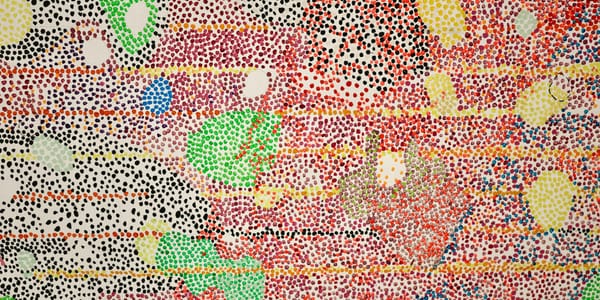
Australian Aboriginal artists worked primarily with local ochres in yellows, reds, and browns, plus white kaolin clay and black charcoal. The geological absence of copper and mercury deposits in their territories meant no native access to bright blues, greens, or cinnabar reds.
The palette limitations didn't represent cultural or aesthetic deficiency but geological constraint. The artistic traditions developed sophisticated color use within the available palette rather than seeking unavailable hues.
European Renaissance artists had access to broader palette through trade networks connecting to Mediterranean copper sources, Afghan lapis, Spanish cinnabar, and various local deposits. The geographic position enabling these trade routes reflected historical and political circumstances, but the ultimate pigment sources remained geological.
Chinese painters accessed different pigments including local azurite and malachite, cinnabar from Chinese mercury deposits, and orpiment from Central Asian sources. The palette overlapped with European colors through some shared sources but differed in the relative availability and prestige of particular hues.
The regional variation in what constituted a "full" palette reflected the geological lottery of which mineral deposits occurred where. Artistic traditions adapted to work within these constraints, developing aesthetics that treated locally abundant colors as primary and scarce imports as accent or luxury elements.
Processing: From Geology to Pigment
The transformation from geological mineral to usable pigment required knowledge and labor that varied by material.
The simplest processing involved grinding: ochres, azurite, malachite, and some other minerals just needed crushing to fine powder. This basic technique made them accessible to anyone with appropriate grinding tools and knowledge of where deposits occurred.
The complex processing included lapis lazuli's purification (separating lazurite from other minerals through grinding, washing, and kneading with wax and oils), cinnabar's roasting and recombination, and lead white's manufacture through exposure of lead to acetic acid fumes. These techniques required specialized knowledge and facilities.
The intermediate processing involved heat treatment (converting yellow ochre to red through controlled heating), washing and purification (removing impurities from mineral pigments), and combinations of grinding, washing, and chemical treatment.
The processing knowledge transmitted through craft guilds, master-apprentice relationships, and eventually published treatises. The techniques represented empirical chemical knowledge developed through experimentation before formal chemistry explained the underlying reactions.
Some processing created health hazards: lead white manufacture caused lead poisoning, mercury exposure from cinnabar affected nervous systems, and arsenic from orpiment caused various toxic effects. The beautiful colors came at human cost that modern safety regulations have only recently addressed.
The economic value of processing knowledge meant that techniques were sometimes trade secrets. The Venetian monopoly on certain pigment processing methods represented valuable commercial advantage beyond the raw mineral sources.
The Exhaustion of Historical Deposits
Many historical pigment sources have been depleted, dramatically altered, or become inaccessible through geological, economic, or political changes.
The Almadén mercury mines in Spain operated for over 2,000 years before environmental regulations and declining mercury demand ended large-scale production. The geological deposit still exists but the economic and regulatory context changed.
The lapis lazuli mines in Afghanistan continue operating but political instability and ongoing conflict make access difficult and dangerous. The geology persists but human geography determines exploitation.
Various copper sources that provided azurite and malachite are exhausted or transformed by modern mining methods that don't preserve the oxidation zone minerals used historically. The geological deposits get destroyed during extraction of more economically valuable ores.
The exhaustion means that some historical pigments are no longer readily available for conservation work or artistic use. Conservators must either use remaining old stock (increasingly rare) or synthetic alternatives that may not behave identically to historical materials.
The geological knowledge about historical sources remains important for understanding artifacts and paintings even when the deposits no longer produce pigments. The chemical signatures in old paintings can sometimes identify which specific deposit the pigment came from, informing attribution and dating.
Synthetic Pigments and Geological Independence
The development of synthetic pigments beginning in the 18th century gradually freed artists from geological constraints on color availability.
Prussian blue, synthesized accidentally in 1704, provided stable blue without requiring Afghan lapis lazuli. The synthetic production still depended on geological resources (iron for the ferrocyanide compounds) but not rare minerals from restricted locations.
The synthetic ultramarine developed in 1826 created cheap alternative to lapis-based pigment, dramatically reducing costs while providing identical color. The geological monopoly broke through chemistry.
The chrome yellows, cadmium pigments, and synthetic organic colors developed through the 19th and 20th centuries created palette possibilities unprecedented in art history. The colors often exceeded natural pigments in intensity, stability, and range.
However, the synthetic pigments still ultimately derive from geological resources. The chrome yellow requires chromium mined from chromite ore deposits. The cadmium pigments depend on cadmium extracted from zinc ore processing. The titanium white dominating modern painting uses titanium from ilmenite deposits.
The geological dependence shifted from specific rare mineral deposits to more abundant metal ores, but didn't disappear entirely. The extraction and processing simply moved earlier in the supply chain and became more chemically complex.
The environmental costs of synthetic pigment production include mining impacts, chemical processing waste, and sometimes toxic pigment disposal issues. The geological and environmental connections persist despite synthetic production methods.
Contemporary Natural Pigment Revival
Some contemporary artists deliberately return to natural earth pigments partly for aesthetic reasons and partly to reconnect with geological and environmental sources of color.
The interest reflects various motivations: environmental concerns about synthetic production, aesthetic preference for earth tones' particular qualities, conceptual interest in place-based materials, and connection to historical techniques and palettes.
The practical challenges include sourcing pigments from reliable suppliers, ensuring lightfastness and stability, and understanding appropriate binders and application techniques. The empirical knowledge that accumulated over centuries of traditional use is partially lost.
The ethical and legal issues around collecting pigments from natural deposits include land access rights, environmental impact of extraction, and cultural appropriation concerns when using materials from indigenous territories.
Some contemporary artists collect and process local earth pigments as part of their practice, creating site-specific palettes that reflect the geology of particular regions. This approach emphasizes the connection between art materials and place geology.
The natural pigment revival remains niche practice compared to widespread use of modern synthetics, but represents recognition that geological color sources carry meanings and qualities that synthesized equivalents don't replicate.
Geological Color and Cultural Memory
The association between specific colors and regions reflects geological distribution patterns that shaped cultural identity and artistic traditions.
The Sienna's brownish-yellows bear the name of the Italian region where particular earth deposits produced distinctive pigments. The geological specificity became cultural identity.
The Egyptian blue (calcium copper silicate) represents deliberate synthesis, but the raw materials came from Egyptian geological resources, connecting the pigment to regional mineral availability even when manufactured.
The Indian yellow mythology (supposedly from urine of cows fed mango leaves) obscures more mundane mineral or plant sources, but the cultural association with India remained regardless of actual production methods.
These cultural-geological connections persist even after globalization and synthetic production made pigments from specific regions irrelevant to practical supply. The names and associations maintain geological memory.
The understanding that color availability once depended absolutely on geological conditions helps contextualize historical art within material culture and economic history. The pigments weren't arbitrary choices but represented significant material and economic investments determined by geology.
The geological perspective reveals that art history's material foundation is literally Earth history. The colors that medieval manuscripts, Renaissance paintings, and indigenous rock art employed all trace back to specific geological processes occurring in particular places over millions of years. The artworks we study represent not just human creativity but the geological resources that made specific visual expressions possible.
Understanding these connections enriches both art historical analysis and geological appreciation. The paintings become records of historical geology and mining, while the minerals gain significance as materials that shaped human visual culture across millennia.