Art
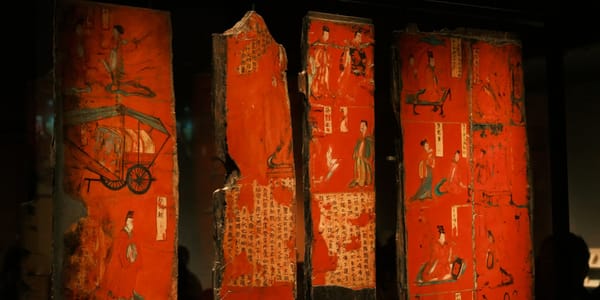
Why Red Means Different Things in Western and Chinese Painting
Red means aggression in Western painting but celebration in Chinese art. How cultural context changes color symbolism and what artists need to understand.

Art
Red means aggression in Western painting but celebration in Chinese art. How cultural context changes color symbolism and what artists need to understand.
Art
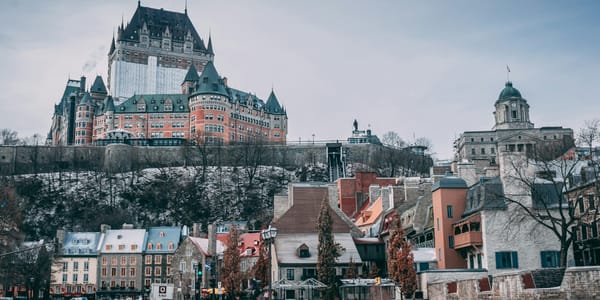
Quebec City's small galleries navigate linguistic politics and regional identity that anglophone Canada ignores. Francophone contemporary art beyond Montreal hype.
Art
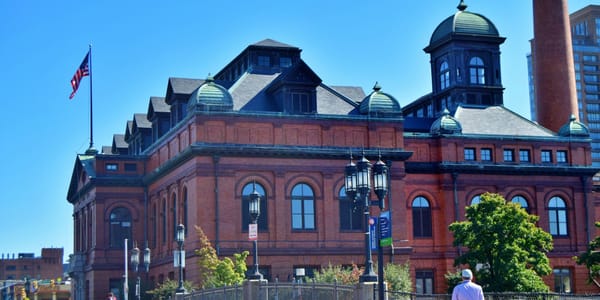
Baltimore's Station North artist-run galleries in converted rowhouses and warehouses. Complete neighborhood guide to experimental spaces DC and Philly ignore.
Art
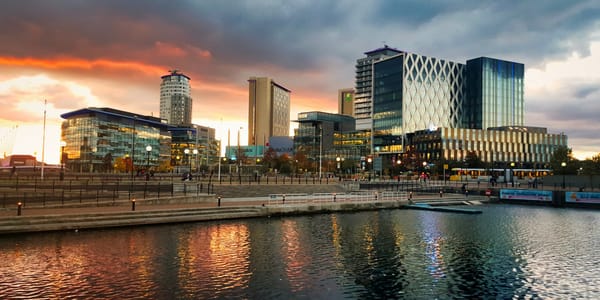
Manchester's Northern Quarter galleries showing work that justifies the train from London. Industrial spaces, experimental programming, and prices you can afford.
Art
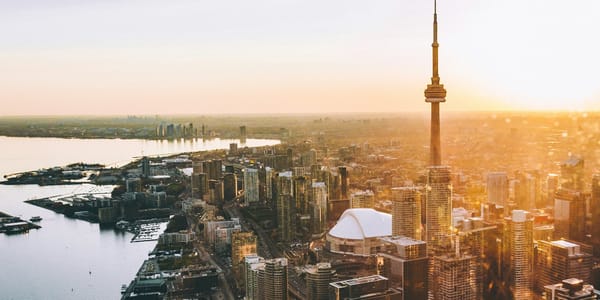
Toronto's Junction Triangle artist-run galleries showing experimental work that major commercial spaces won't touch. Real risk-taking in former industrial buildings.
Art
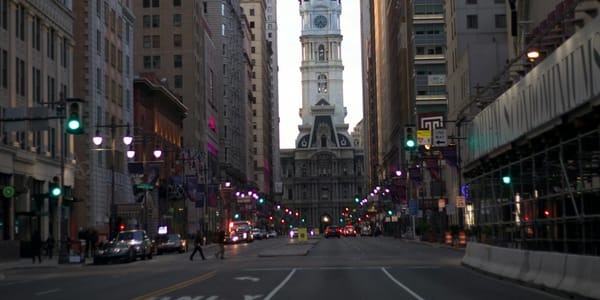
Philadelphia's gallery scene operates in the shadow of New York, two hours north by train. Collectors make day trips to Chelsea instead of supporting local spaces. The art press barely acknowledges anything happening between Manhattan and DC.
Art
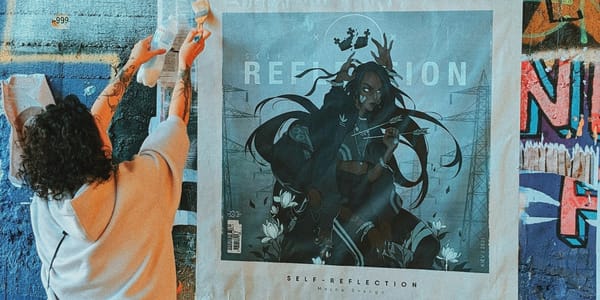
Regional artists reveal how they actually get into local group shows. Application strategies, curator relationships, and portfolio approaches that work.
Art
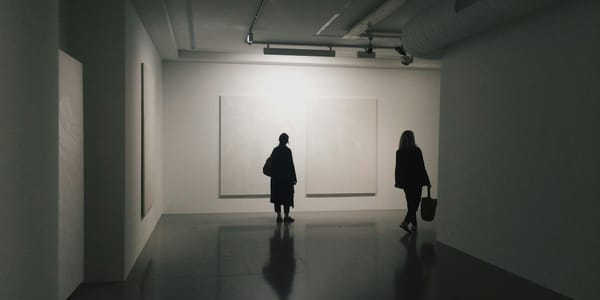
Discover overlooked gallery districts across the US where emerging artists show experimental work. From Marfa to Hudson, explore regional art scenes worth the trip.

Art
Photography didn't force abstraction—abstract work treats color, form, and composition as primary content rather than representation tools. It creates experiences, investigates perception, and addresses concerns representation can't accommodate.

Art
Art historians analyze meaning and context. Practicing artists need technical knowledge—how historical work was made, what compositional strategies organized it, what material approaches it demonstrates. Learn to extract studio-applicable knowledge from art history.
Art
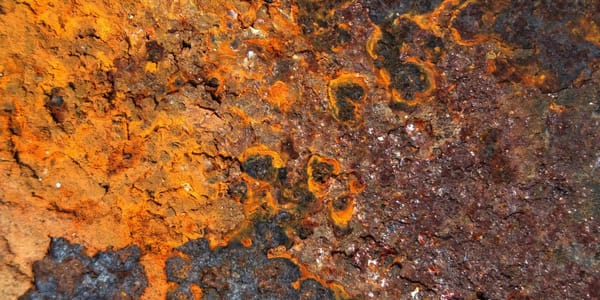
Rust, verdigris, and controlled corrosion create surfaces through chemical transformation and time. Weathering steel develops protective rust layers while bronze patinas over decades through environmental exposure and accelerated chemical processes.
Art
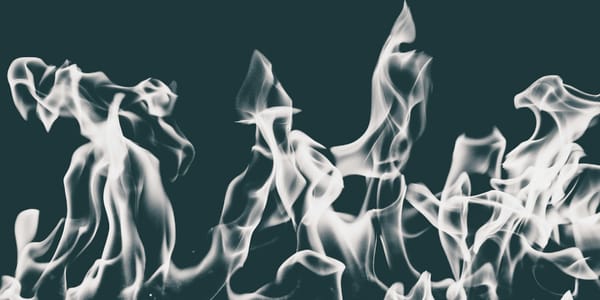
Gunpowder explosions, torch scorching, acid corrosion, and deliberate destruction create art through violent transformation. Fire and explosives require serious safety protocols but enable effects construction can't achieve.