Pueblo Pottery Techniques That Predate European Ceramic Technology
Pueblo pottery techniques achieved results European ceramics couldn't match for centuries. Burnished surfaces, slip painting, and firing without kilns.
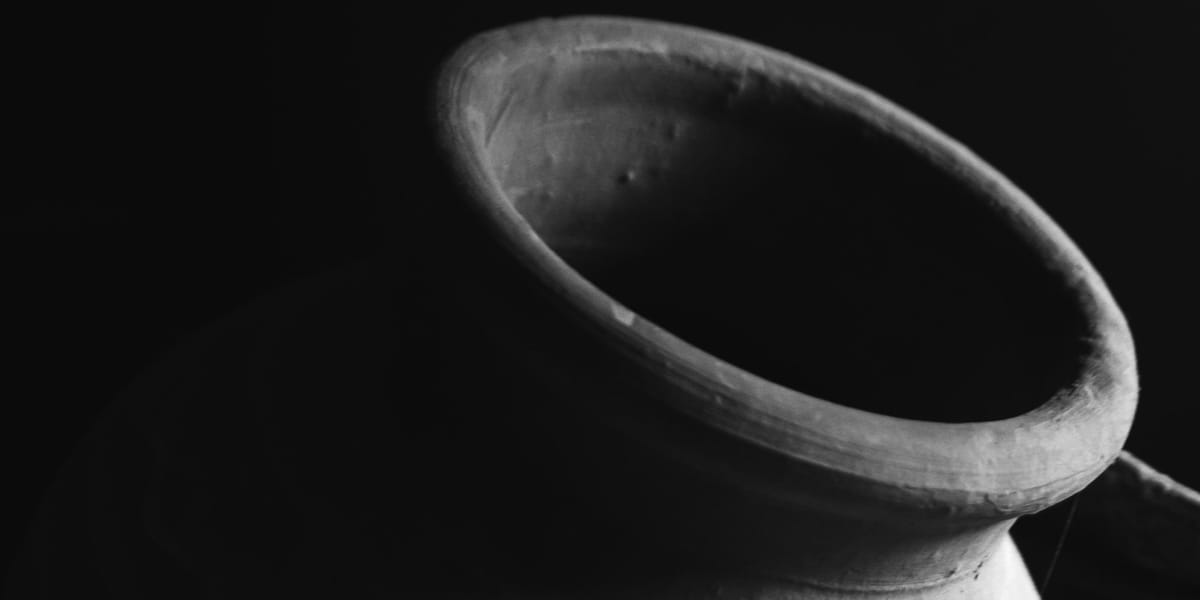
Maria Martinez's black-on-black pottery from San Ildefonso Pueblo sells for tens of thousands of dollars at auction not because it's primitive craft elevated by Western collector fetishism, but because the technical achievement represents ceramic knowledge that European potters didn't develop until the 20th century.
The burnished surface creates glass-like finish without glaze. The matte black-on-shiny black pattern requires precise control of oxidation and reduction during firing. The forms maintain perfect symmetry without wheel-throwing.
These aren't quaint folk techniques that European technology surpassed. They're sophisticated material science solutions that European ceramics simply solved differently, often centuries later, and sometimes not as elegantly.
The narrative that pottery wheels, enclosed kilns, and high-fire glazes represent technological advancement over Pueblo methods reflects colonial bias rather than technical reality. Different environmental constraints, available materials, and cultural priorities drove Pueblo potters toward innovations European ceramics didn't require or achieve.
Understanding these techniques requires setting aside the evolutionary model where European ceramic technology represents the pinnacle that all cultures should aspire toward. Pueblo pottery solved different problems through different means, creating results that European ceramics couldn't replicate until modern studio pottery movement rediscovered what indigenous ceramicists had known for centuries.
Coiling Without Wheels as Deliberate Choice
European ceramic history treats the pottery wheel as fundamental technological advancement that separates sophisticated ceramics from primitive hand-building. This teleology ignores that Pueblo potters had access to wheel technology through Spanish contact but deliberately chose not to adopt it.
The wheel enables rapid production of symmetrical forms. This matters enormously if you're producing standardized functional ware for market sale. It matters much less if you're creating pottery embedded in specific cultural practices where each vessel carries individual significance.
Pueblo coiling techniques achieve symmetry and wall consistency that rival wheel-thrown work. The potter builds from coils of clay, blending each addition seamlessly into the growing form while maintaining even wall thickness and precise curves. This requires developed tactile sensitivity and years of practice.
The coiling process allows for forms that wheel-throwing can't easily achieve. The asymmetric water jars with distinctive shapes specific to each pueblo, the compound curves of certain ceremonial vessels, the large scale storage jars that would be extremely difficult to throw on wheel.
The technique also maintains direct hand contact with the entire surface continuously during construction. Every inch of clay gets manipulated by the potter's hands multiple times. This creates tactile relationship to the work that wheel-throwing, which touches only the upper portion of the rising form, doesn't provide.
The pace of coiling allows contemplative engagement with the making process that fits within cultural frameworks where pottery creation involves spiritual as well as functional considerations. The wheel's mechanical rhythm pushes toward production volume incompatible with ceremonial making practices.
European studio potters in the 20th century rediscovered hand-building as legitimate artistic technique after centuries of wheel dominance. They often cite wanting direct engagement with material and freedom from wheel's formal constraints. Pueblo potters never abandoned these qualities because they never adopted the wheel in the first place.
Burnishing as Surface Technology
The burnished surface on Pueblo pottery creates sheen approaching glaze without requiring high firing temperatures or glaze materials.
Burnishing involves compressing the clay surface with smooth stones while the clay is leather-hard. The mechanical pressure aligns clay platelets parallel to the surface, reducing porosity and creating reflective quality. The technique requires specific clay moisture content, appropriate tools, and sustained physical labor.
The stones used for burnishing become highly valued tools passed between generations. Smooth river stones work well. Some potters use pieces of broken pottery, creating recursive loop where previous generations' finished work provides tools for current generation.
The burnishing process takes hours for large vessels. The potter works systematically across the surface, overlapping strokes to ensure complete coverage. Too much pressure damages the surface. Insufficient pressure doesn't achieve proper alignment. The right touch comes from experience.
The moisture content proves critical. Too wet and the clay smears rather than compresses. Too dry and the surface can't be burnished without cracking. The working window might last only a few hours as the clay dries from plastic to leather-hard state.
The burnished surface becomes more pronounced after firing. The heat makes the aligned platelets more reflective. The final sheen depends on clay composition, burnishing thoroughness, and firing conditions.
European ceramics achieved similar surface qualities through glazing, which requires different materials (silica, fluxes, colorants) and higher firing temperatures. The glaze technology pathway toward glossy surfaces differs entirely from the mechanical surface modification that burnishing represents.
Contemporary studio potters working in reduction-fired stoneware sometimes burnish surfaces before applying glazes or work with burnished terra sigillata. These techniques trace lineage back through Roman pottery to much earlier traditions that include but aren't limited to Pueblo innovations.
Slip Painting and Mineral Pigments
Pueblo pottery decoration uses mineral-based slips and pigments applied before firing, creating permanent color that's part of the fired clay surface rather than surface coating like glaze.
The slips consist of clay with specific mineral content that fires to desired colors. Red slip contains iron oxide. White slip uses kaolin or similar light-firing clay. Black comes from organic materials or manganese. These aren't simple dirt mixed with water. They're carefully processed materials with controlled particle size and purity.
The processing involves collecting raw clay, cleaning it of organic matter and unwanted minerals, sometimes grinding it to finer particle size, and testing it through multiple firings to ensure consistent color results. This knowledge of which clay deposits produce which fired colors represents generations of empirical materials science.
The application technique uses brushes made from yucca leaves chewed to create fiber bundles. The yucca brush holds slip well and creates distinctive line quality different from manufactured brushes. The technique requires practice to control slip consistency, brush wetness, and line weight.
The designs carry cultural meaning specific to each pueblo, clan, and family. The geometric patterns aren't arbitrary decoration. They reference water, clouds, mountains, migrations, and spiritual concepts. The right to use specific designs gets inherited or earned through cultural participation.
The firing process affects how the slips appear in finished work. The temperature, atmosphere (oxidation versus reduction), and duration all influence final color. Red slip might fire anywhere from orange to deep maroon depending on conditions. Black can go grey, charcoal, or pure black.
European ceramics developed tin-glazed majolica and other decorated wares using fundamentally different chemical processes. The glaze decoration sits on top of the clay body as separate material layer. The Pueblo slip decoration integrates with the clay body, becoming part of the same material matrix during firing.
Open Firing Without Kilns
Pueblo potters fire ceramics in outdoor fires without enclosed kilns, achieving results that European potters assumed required kiln technology.
The firing process involves building fire directly around and over the pottery, using wood or dried manure as fuel. The temperature reaches 700-900°C, sufficient for earthenware but well below stoneware or porcelain firing temperatures.
The lack of kiln means no temperature control, no atmosphere control, and exposure to weather variables. European ceramic technology invested centuries developing kilns specifically to control these variables. Pueblo potters worked within these constraints rather than eliminating them.
The pottery placement around the fire affects results. Pieces closer to fuel bed get hotter. Those exposed to wind cool faster. Atmospheric conditions vary across the fire, creating reduction in some areas and oxidation in others. The potter manages these variables through experience rather than instruments.
The firing speed differs dramatically from kiln firing. The entire process might last three to five hours from cold to finished, where European kiln firing typically extends across days with slow heating and cooling cycles. The rapid firing requires clay bodies that can handle thermal shock without cracking.
The reduction firing that creates black pottery happens by smothering the fire at peak temperature with manure or other organic material. The oxygen-deprived atmosphere causes carbon to penetrate the clay surface, turning it black. Controlling this reduction across all the pots in a single firing requires precise timing and material management.
The variable results from open firing became prized characteristics rather than defects in Pueblo pottery. The fire clouds, color variations, and atmospheric effects created by uncontrolled firing add visual interest that European ceramics eliminated through kiln technology.
Contemporary studio potters practice pit firing, saggar firing, and other atmospheric firing techniques that echo Pueblo methods. These alternative firing approaches developed partly through studio potters learning from Native American ceramicists and recognizing that lack of control could be artistic opportunity rather than technical limitation.
Clay Processing Without Industrial Equipment
Pueblo potters process raw clay from local deposits using manual techniques that achieve purity and consistency rivaling industrially processed commercial clay.
The clay collection involves knowing which deposits produce suitable material, when to harvest (usually late summer when deposits are dry enough to dig), and how to transport it back to the pueblo. This knowledge of landscape and geology represents generations of observation.
The processing begins with drying raw clay completely, then grinding it to powder using stones. This breaks up clay aggregates and removes coarse particles. The grinding takes hours of physical labor for sufficient quantity.
The ground clay gets mixed with water and left to settle. The finest particles remain suspended longest. Pouring off the water with suspended particles creates slip of pure fine clay. The remaining coarser material gets discarded or used for less refined purposes.
The temper material (crushed pottery shards, volcanic ash, or sand) gets processed separately and added to the pure clay in specific ratios. Different pueblos use different tempers based on local material availability and traditional preferences. The temper reduces shrinkage and provides thermal shock resistance for open firing.
The proportions of clay to temper, water content, and mixing thoroughness all affect the final working properties. Getting these ratios right involves both inherited knowledge and individual experimentation. Each potter develops feel for proper consistency through experience.
European ceramic industry developed mechanical pug mills, filter presses, and other equipment to process clay industrially. These machines achieve consistency and efficiency that manual processing can't match. But they also homogenize local material variation that gives Pueblo pottery its place-specific character.
The environmental knowledge required for traditional clay processing includes understanding seasonal water flow affecting clay deposits, recognizing geological formations that indicate suitable clay, and knowing which volcanic ash deposits work as temper. This geological literacy developed over centuries of working specific landscapes.
Scale Achievement Without Mechanical Aids
Pueblo potters create storage jars reaching three feet in diameter without wheel-throwing, jiggering, or other mechanical forming aids.
The construction process for large storage jars requires weeks of work as successive coils get added, allowed to firm up, then built upon. The walls must support growing weight while maintaining curve and symmetry. The engineering challenges increase dramatically with scale.
The drying management becomes critical with large forms. Uneven drying causes warping and cracking. The potter covers work with damp cloths, rotates the piece to expose different surfaces to air, and monitors moisture content through constant attention.
The large jars represent substantial material investment. A three-foot storage jar might contain fifty pounds of prepared clay. If the piece cracks during drying or firing, the material loss and labor investment are significant. The success rate reflects potter's skill and knowledge.
These large jars served essential functions in pueblo life, storing grain and water in quantities necessary for survival in arid climate. The pottery technology directly supported food security and water management in ways that smaller vessels couldn't.
The achievement of building these jars without mechanical assistance or modern materials proves that sophisticated ceramic technology doesn't require industrialization. The potters solved engineering problems through material knowledge, technique refinement, and accumulated experience.
European ceramic industry developed jiggering, pressing, and slip casting to produce large forms efficiently. These mechanical techniques allow faster production and more consistent results but require equipment and infrastructure that individual artisans can't access. The Pueblo approach remains viable for individual makers working without industrial support.
Thermal Shock Resistance Through Clay Body Formulation
Pueblo pottery survives thermal stress that would shatter most European earthenware because of specific clay body formulation developed through empirical testing.
The cooking vessels get placed directly on fire, subjected to rapid heating and cooling, and experience severe thermal shock repeatedly throughout their functional lives. European earthenware used similarly would crack immediately.
The thermal shock resistance comes from temper material that doesn't expand and contract as much as the clay matrix during temperature changes. When the clay expands from heat, the temper provides dimensional stability. When it contracts during cooling, the temper again limits movement.
The temper also creates micro-fractures throughout the clay body that absorb stress rather than propagating into catastrophic cracks. These intentionally created weaknesses make the overall structure stronger by distributing stress across many small fractures rather than concentrating it into single failure point.
The particle size of the temper matters. Too fine and it doesn't provide enough stress distribution. Too coarse and it creates structural weak points. The traditional processing produces particle size distribution that balances these requirements.
The clay-to-temper ratio varies based on intended use. Cooking vessels need higher temper content for maximum thermal shock resistance. Water jars can use less because they don't experience thermal stress. This functional differentiation shows sophisticated understanding of materials science.
European ceramics achieved thermal shock resistance through different pathway. Stoneware and porcelain vitrify at high temperatures, creating glass-like matrix less prone to thermal shock than earthenware. But these require kiln technology and fuel resources that Pueblo potters didn't have or need.
The discovery that certain volcanic ash works particularly well as temper represents scientific observation and testing indistinguishable from modern materials science except for its non-written transmission and pre-industrial context.
Gender Knowledge Systems and Transmission
Pueblo pottery knowledge transmits primarily through matrilineal lines where women teach daughters, nieces, and granddaughters the techniques, material knowledge, and cultural meanings.
This gender-specific knowledge transmission creates teaching context different from European craft guild systems where male masters train male apprentices through formal structures. The Pueblo approach embeds learning within domestic life and family relationships.
The teaching happens through observation and practice rather than explicit verbal instruction. Young girls watch mothers and grandmothers work, eventually helping with simple tasks, gradually taking on more complex aspects as their skills develop. The knowledge becomes embodied through years of participation.
The individual style and specific techniques get passed along family lines, creating identifiable characteristics that mark pottery from particular clans or families. This lineage creates continuity across generations while allowing individual innovation within tradition.
The knowledge also includes cultural information about designs, ceremonial uses, and spiritual aspects of pottery making that exists beyond pure technique. The making process involves both practical skill and cultural participation in ways European craft traditions separated into secular work and religious practice.
The interruption of this transmission through boarding schools and forced assimilation in 19th and early 20th centuries damaged pottery traditions in some pueblos. The recovery involved elders teaching younger generations to reconstruct broken knowledge chains.
The contemporary revival of traditional pottery in many pueblos demonstrates the resilience of these knowledge systems and the cultural importance placed on maintaining ceramic traditions. The pottery represents cultural survival and resistance as much as artistic practice.
Why European Technology Isn't Superior
The persistent framing of Pueblo pottery as primitive or pre-technological reveals colonial bias rather than objective technical assessment.
European ceramics solved for different requirements. The wheel enables production volume. Kilns allow temperature control and atmosphere manipulation. Glazes create waterproof surfaces. These technologies serve specific needs within European social and economic contexts.
Pueblo pottery solved different problems. The hand-building creates specific forms and maintains cultural practices. Open firing works with available fuel sources and portable equipment. Burnishing achieves surface quality without glaze materials. The slip decoration integrates with cultural knowledge systems.
Neither technology set is inherently superior. They represent different solutions to different requirements constrained by different material availabilities and cultural priorities.
The assumption that pottery wheels represent advancement reflects European cultural values around efficiency, standardization, and production volume. These values don't universally apply to pottery making across all cultural contexts.
The kiln technology that Europeans developed requires substantial fuel resources, permanent architecture, and capital investment inappropriate for semi-nomadic or dispersed settlement patterns. The open firing technology Pueblo potters used fit their social organization and resource availability.
The high-fire glazed stoneware that represents pinnacle achievement in European ceramics requires raw materials (specific clays, feldspars, fluxes) that don't exist in all geographic locations. Pueblo potters worked brilliantly with available materials rather than depending on imports or trade networks.
The contemporary studio pottery movement in Europe and North America increasingly values hand-building, atmospheric firing, and surface qualities achieved through burnishing or unglazed surfaces. This represents not abandonment of European technology but recognition that alternatives offer artistic possibilities European industrial ceramics foreclosed.
What Contemporary Ceramics Learned
The influence of Pueblo pottery on contemporary ceramics extends beyond aesthetic borrowing to fundamental reconsideration of technical possibilities.
The studio pottery movement's embrace of hand-building as legitimate artistic technique rather than merely preliminary to wheel work traces partly to exposure to Pueblo pottery. Peter Voulkos studied Maria Martinez's work before developing his revolutionary approach to ceramic sculpture.
The atmospheric firing techniques that contemporary potters pursue (pit firing, saggar firing, horse hair raku) descend partly from studying how Pueblo and other indigenous potters achieved effects without kilns. The recognition that lack of control creates opportunity rather than limitation came through encountering these traditions.
The burnishing techniques that studio potters employ derive directly from observation of Pueblo pottery. The terra sigillata surfaces that contemporary potters create reference Roman pottery but were often learned through studying burnished indigenous ceramics.
The integration of cultural meaning into pottery decoration that some contemporary ceramicists pursue reflects influence of Pueblo traditions where the designs carry significance beyond pure decoration. This challenged European modernist aesthetics that separated form, decoration, and meaning.
The recognition that earthenware deserves serious artistic attention despite not being high-fire stoneware or porcelain came partly through understanding that Pueblo potters achieved sophistication through earthenware that European earthenware traditions rarely reached.
The emphasis on local materials and place-specific practices in contemporary ceramics reflects influence of indigenous approaches where pottery grows directly from relationship with specific landscapes and geology.
The Politics of Recognition
The art market and museum recognition of Pueblo pottery as fine art rather than craft or ethnographic artifact remains contested and incomplete.
Maria Martinez's pottery sells for substantial prices at auction, but primarily through Native American art markets rather than contemporary ceramics galleries. This separation maintains hierarchy where Euro-American studio pottery occupies fine art category while indigenous work remains marginalized.
The anthropology museums that house major Pueblo pottery collections frame the work through ethnographic rather than artistic lenses. The pottery gets interpreted as cultural artifact providing evidence about pueblo life rather than as aesthetic achievement by individual artists.
The craft fair circuits where much Pueblo pottery sells position the work as functional craft or tourist souvenir rather than fine art. The Santa Fe Indian Market, while celebrating indigenous arts, remains separate from contemporary art markets.
The recent inclusion of Pueblo pottery in contemporary art contexts represents progress but also raises questions about appropriation and interpretation. Who has authority to curate, interpret, and contextualize the work?
The complicated history of non-Native potters learning Pueblo techniques then selling their work creates economic competition and cultural appropriation concerns. The techniques aren't legally protected intellectual property, but their use by outsiders remains ethically fraught.
The insistence that Pueblo pottery be evaluated on its own technical and aesthetic terms rather than as evidence of pre-industrial culture or primitive craft represents ongoing political struggle against colonial frameworks that still structure museums and markets.
Material Culture and Cultural Survival
Pueblo pottery represents more than technical achievement. It embodies cultural knowledge, spiritual practice, and political resistance against colonial erasure.
The continuation of traditional pottery making through centuries of Spanish colonization and American westward expansion demonstrates cultural resilience. The pottery maintained practices, knowledge, and identity when other aspects of pueblo life faced violent suppression.
The revival of pottery traditions in pueblos where knowledge transmission had been interrupted represents deliberate cultural recovery. Potters research historical work in museum collections, consult elders who remember techniques, and reconstruct lost knowledge.
The teaching of pottery to younger generations serves cultural transmission beyond craft instruction. The young potters learn language, geography, history, and spiritual practices embedded within pottery making.
The market for Pueblo pottery provides economic support for cultural practices that might otherwise be unsustainable in cash economy. The ability to make living through traditional pottery allows cultural practitioners to maintain knowledge systems.
The pottery also asserts indigenous presence and cultural vitality against narratives of inevitable decline or assimilation. Each piece demonstrates that pueblo cultures remain living traditions rather than museum relics.
The techniques themselves carry knowledge about landscapes, seasons, materials, and relationships with place that represents alternative ways of understanding and inhabiting environment. This ecological knowledge embedded in pottery practice offers insights that industrialized societies increasingly recognize as valuable.
The ongoing creation of Pueblo pottery using traditional techniques proves that indigenous knowledge systems remain viable and sophisticated responses to material and cultural needs. The pottery isn't survival of primitive past but continuation of living traditions that solved and continue solving real problems through accumulated wisdom.