Quebec City's Small Gallery Scene: Navigating Language and Regional Art Politics
Quebec City's small galleries navigate linguistic politics and regional identity that anglophone Canada ignores. Francophone contemporary art beyond Montreal hype.
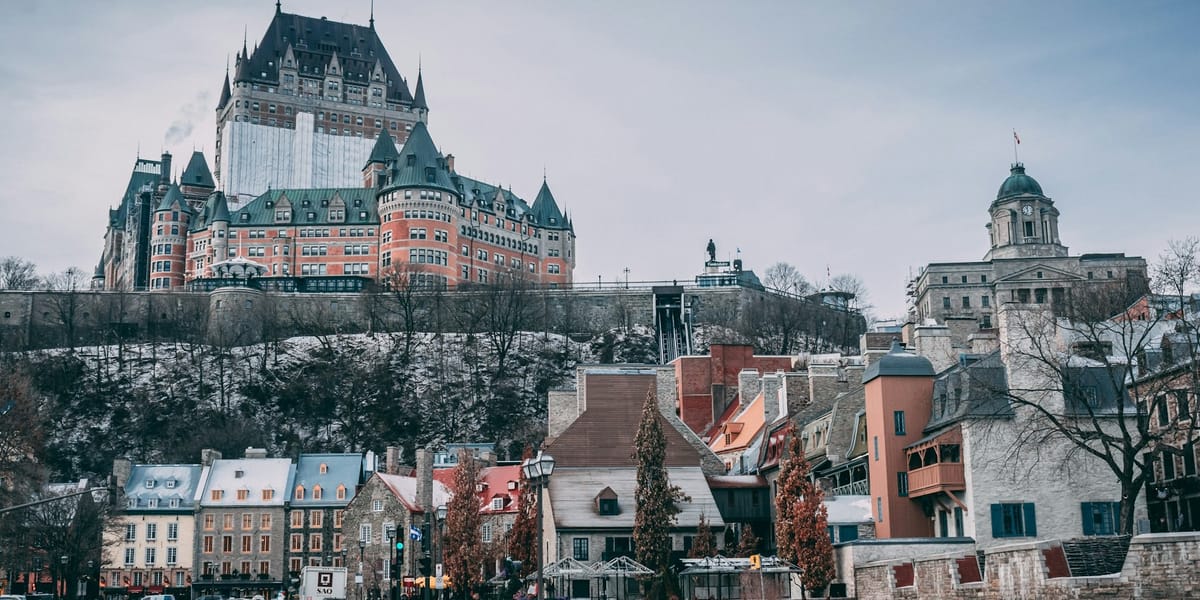
Quebec City operates in Montreal's shadow the way Montreal operates in New York's shadow, which creates double invisibility for artists working in the provincial capital.
The language politics complicate everything.
Most international art world operates in English. Canadian art institutions increasingly default to bilingual programming with English dominating. Montreal maintains enough anglophone presence that galleries can function bilingually when commercially advantageous. Quebec City is resolutely francophone in ways that shape which artists get shown, how work gets contextualized, and who actually visits the galleries.
The small galleries cluster in Saint-Roch, the lower town neighborhood that gentrified over the past fifteen years from working-class francophone district to hipster cultural quarter. The transformation followed familiar patterns: artists seeking cheap rent, galleries and cafes following artists, condo developers following everyone else.
But the linguistic specificity creates different dynamics than anglophone gentrification. The galleries operate primarily in French, show predominantly Quebec artists, and engage with cultural politics specific to francophone minority status within North American anglophone dominance. This isn't just regional art scene. It's expression of linguistic and cultural survival.
Walking Saint-Roch from the train station to the Saint-Roch-Saint-Sauveur church takes twenty minutes. The galleries occupy converted commercial spaces, former storefronts, and marginal industrial buildings along Saint-Joseph and Saint-Vallier. The density permits comprehensive coverage in single afternoon if you read French well enough to engage with exhibition materials and artist statements.
If you don't read French, you'll miss most of what matters.
The Linguistic Reality That Shapes Everything
Quebec City's galleries operate almost exclusively in French. Not bilingual with English translations available. French, period.
Exhibition titles, artist statements, wall texts, press releases, and critical writing exist in French because that's the language of cultural production in Quebec City. The occasional English summary might appear on websites for tourism purposes, but the substantive intellectual work happens en francais.
This linguistic specificity isn't political statement. It's cultural fact. Quebec City is 95% francophone. The artists, curators, collectors, and audiences operate in French. Creating bilingual materials for hypothetical anglophone visitors doesn't make economic or cultural sense.
For anglophone visitors from Toronto, Vancouver, or the US, this creates barrier. You can look at artwork without translation. But understanding curatorial context, artist intentions, and critical discourse requires French literacy. Google Translate helps with basic comprehension but mangles the nuance that matters for serious engagement.
The language politics extend beyond practical translation issues. The galleries engage with Quebec's cultural nationalism, sovereignty debates, and linguistic minority status within Canadian and North American contexts. This political dimension shapes programming choices, artist selection, and how work gets framed.
Artists addressing Quebec identity, francophone culture, or relationships between language and place receive support that similar work in anglophone contexts wouldn't generate. The galleries understand their role includes cultural preservation and assertion, not just showing aesthetically interesting objects.
The relationship to France creates additional complexity. Quebec maintains cultural ties to Paris and French-speaking Europe while insisting on distinct Quebec identity separate from European francophone culture. The galleries navigate this by showing French and Belgian artists occasionally while emphasizing Quebec specificity.
The indifference to anglophone Canadian art world creates freedom. Toronto's opinions don't matter. The Canada Council's assessment panels include Quebec representatives, but Quebec City galleries operate within provincial and municipal funding that prioritizes francophone cultural production. The validation comes from Quebec cultural institutions, not national anglophone consensus.
Meduse: The Cooperative Model
Meduse operates as artist-run cooperative occupying former industrial building in Saint-Roch. The structure includes studio spaces, workshops, exhibition galleries, and shared facilities serving roughly 80 member artists.
The cooperative governance means artists collectively control programming, manage operations, and make decisions about space allocation and resource distribution. This democratic structure prevents any single curatorial vision from dominating while requiring consensus-building that slows decision-making.
The main gallery space shows rotating exhibitions by member artists and invited practitioners. The programming demonstrates remarkable range, from traditional painting and sculpture to installation, video, performance, and hybrid practices resisting categorization.
What unifies diverse offerings is commitment to supporting artistic investigation rather than producing marketable work. The cooperative structure removes commercial pressure because member fees and studio rents fund operations rather than gallery sales. Artists can show experimental work, failed investigations, and process-based practices that commercial galleries won't touch.
The exhibition schedule runs year-round with shows changing monthly. The rapid rotation means programming stays fresh while providing regular opportunities for member artists to show work publicly. It also means committing to exhibition requires finishing work on deadline, developing professional discipline.
Meduse also maintains printmaking studio, ceramic facilities, woodshop, and metalworking equipment available to members. This shared infrastructure allows artists to work in media requiring specialized equipment that individual practitioners couldn't afford. The technical resources matter enormously for artists pursuing material investigations.
The building itself functions as cultural hub beyond pure exhibition programming. The corridors connecting studios become impromptu gallery space during open studios events. The shared kitchen facilitates conversations over lunch. The loading dock hosts performances and gatherings. The architecture supports community building through spatial design encouraging interaction.
The location in Saint-Roch places Meduse within walking distance of other galleries, bars, and cultural venues, creating ecosystem where artists encounter each other constantly rather than requiring scheduled meetings. This density matters for collaborative projects, peer feedback, and general social support.
The francophone specificity shapes everything. The conversations happen in French. The reading material in the library is predominantly French. The cultural references assume Quebec context. An anglophone artist could potentially join the cooperative, but they'd need fluent French to participate meaningfully in collective governance and daily interactions.
Galerie Rouje: Commercial Space with Curatorial Ambition
Galerie Rouje occupies storefront on Saint-Joseph, maintaining commercial gallery operations while programming exhibitions that prioritize artistic merit over certain sales.
The gallery represents roster of primarily Quebec artists working in painting, sculpture, and photography. The commercial model requires generating revenue through sales, but the owner maintains commitment to showing challenging work rather than purely decorative content.
The program balances emerging artists building careers with established practitioners who provide commercial stability. A solo show by unknown recent graduate might follow exhibition by mid-career artist with institutional recognition and collector base. This variety creates opportunity for discovery while maintaining financial viability.
The prices reflect Quebec market realities rather than Toronto or international speculation. Strong paintings by emerging artists might cost $1,500 to $4,000. Mid-career practitioners with regional recognition ask $4,000 to $12,000. These price points acknowledge that most Quebec collectors aren't wealthy by Toronto or New York standards.
Galerie Rouje also maintains relationships with collectors across francophone Canada and occasionally France, creating market beyond immediate Quebec City context. These connections help artists advance beyond regional visibility while keeping them grounded in Quebec artistic community.
The exhibitions change every six to eight weeks, following traditional commercial gallery rhythms. The pacing allows work to find audiences while maintaining fresh programming that rewards repeated visits. Opening receptions typically happen Thursday evenings, creating regular schedule that collectors and viewers can plan around.
The gallery participates in Quebec art fairs, particularly in Montreal, providing exposure beyond Quebec City while representing the capital's artistic production. These fair appearances help position gallery and artists within broader Quebec and Canadian contexts.
The commitment to Quebec artists isn't nationalism but pragmatism. The gallery owner knows Quebec artistic community, understands cultural context that shapes production, and can identify emerging talent before Toronto galleries notice. This regional expertise becomes competitive advantage.
The space itself offers clean, well-lit presentation that lets work speak without architectural distraction. The white walls, good lighting, and professional installation standards create viewing conditions that honor the artwork while remaining accessible rather than intimidating.
Engramme: Print Culture and Artist Publications
Engramme operates as artist-run center focused specifically on printmaking, artist publications, and print-based practices. Located in Saint-Roch, the space includes exhibition gallery, print workshop, and publishing facilities.
The specialization creates expertise and resources unavailable in general artist-run centers. The print facilities include etching presses, lithography equipment, screen printing setup, and letterpress. The technical infrastructure allows artists to produce editions, publications, and print-based work without commercial print shop costs.
The exhibition programming emphasizes work engaging with print traditions, book arts, multiples, and distributed practices. You'll see contemporary takes on traditional printmaking, artists' books pushing format boundaries, and hybrid projects incorporating print alongside other media.
Engramme also publishes artists' books and editions, creating distributed artworks that exist beyond unique objects. This publishing program has developed significant following among collectors interested in artists' books and people who want to engage with contemporary art at accessible price points.
The emphasis on multiples and editions addresses economic accessibility. A print edition might cost $100 to $500, making original contemporary work available to people who can't afford $5,000 paintings. This democratic approach expands who can collect while supporting artists through edition sales.
The workshops and technical training programs build community expertise around print processes. An artist might learn etching techniques at Engramme workshop, then use those skills in their own practice. This knowledge sharing strengthens the entire artistic ecosystem.
The print focus also connects to Quebec's strong graphic design and illustration traditions. The boundaries between fine art printmaking, commercial illustration, and graphic design blur productively, creating opportunities for hybrid practices drawing from multiple traditions.
The francophone print culture has distinct characteristics shaped by Quebec literature, political poster traditions, and book publishing history. Engramme engages this lineage while showing contemporary artists pushing print-based practices in new directions.
The space maintains library and archive of artist publications, Quebec print history materials, and international examples of print-based contemporary art. This research resource serves artists, students, and scholars interested in print culture and artists' publishing.
Espace Virtuel: Digital and New Media Focus
Espace Virtuel specializes in digital art, new media, and technology-based practices that most Quebec City galleries avoid because of technical requirements and commercial challenges.
The programming includes video art, digital installations, software-based work, internet art, and hybrid practices incorporating technology alongside traditional media. The curatorial vision recognizes that contemporary artistic practice increasingly involves digital tools and that showing this work requires dedicated technical infrastructure.
The space maintains projection equipment, sound systems, computers, and network infrastructure supporting complex installations. The technical capacity allows artists to show multi-channel video, interactive works, and networked pieces that wouldn't function in galleries lacking proper equipment.
Espace Virtuel also addresses preservation and archival challenges specific to digital and time-based media. How do you maintain software-based artwork when operating systems change? How do you preserve video work shot in obsolete formats? The center explores these questions while building expertise relevant to broader contemporary art field.
The programming includes international artists alongside Quebec practitioners, recognizing that digital practices often circulate globally through online networks before manifesting in physical exhibitions. This international scope distinguishes Espace Virtuel from more regionally focused galleries.
The audience for digital and new media work skews younger and more technically literate than traditional gallery audiences. Students from Université Laval, people working in tech and design fields, and artists interested in technology-based practices form core constituency.
Espace Virtuel also organizes workshops, technical training, and skill-shares around digital production tools. These educational programs build capacity while acknowledging that many artists lack technical knowledge to realize ambitious digital projects.
The commercial challenges facing digital work create funding dependency on grants and institutional support. Original digital works have uncertain market value. Editions of video art sell occasionally but don't generate revenue sustaining operations. The center survives through public funding recognizing cultural value beyond commercial viability.
The French-language specificity matters less for digital work that often operates through visual and interactive means rather than text. But the artist statements, curatorial framing, and critical discourse still happen in French, requiring language literacy for full engagement.
Centre Materia: Ceramic and Material Investigations
Centre Materia focuses specifically on ceramic arts and material-based practices, providing specialized facilities, exhibition space, and community support for artists working with clay and related materials.
The studios include kilns, wheels, hand-building areas, and glaze mixing facilities. The technical infrastructure allows artists to pursue ceramic practice without personal investment in expensive equipment. The shared facilities also create community of practitioners exchanging techniques and supporting each other's investigations.
The exhibition program shows contemporary ceramic work ranging from functional pottery to sculptural investigations that happen to use clay. The programming challenges hierarchies separating craft from fine art by simply showing strong work regardless of whether it's bowl or abstract sculpture.
Centre Materia also addresses Quebec's strong ceramic traditions while pushing toward contemporary practices. The province has rich history of functional pottery, architectural ceramics, and decorative arts. The center honors this lineage while supporting artists using clay for conceptual investigations or hybrid practices.
The workshops and residency programs bring visiting ceramic artists to Quebec City, creating exchanges between local practitioners and outside perspectives. These programs build networks while exposing Quebec audiences to diverse approaches to ceramic practice.
The market for ceramic work spans both functional craft collectors and contemporary art audiences. A functional teapot might sell for $80 while sculptural ceramic work asks $800 to $3,000. This range allows artists to generate income through production pottery while pursuing more experimental sculptural investigations.
Centre Materia participates in craft fairs and ceramic-specific exhibitions alongside contemporary art contexts, navigating boundaries between craft and fine art markets. This dual positioning creates opportunities while requiring careful framing to maintain artistic credibility.
The technical knowledge concentrated at Centre Materia makes it resource for Quebec's broader artistic community. Artists working primarily in other media might collaborate with ceramic specialists at the center, producing hybrid works incorporating clay alongside painting, sculpture, or installation.
VU: Photography and Lens-Based Media
VU operates as artist-run center dedicated to photography and lens-based practices, maintaining exhibition space, equipment access, and darkroom facilities.
The programming spans documentary photography, conceptual approaches to lens-based media, experimental darkroom practices, and hybrid work incorporating photography alongside other media. The curatorial vision values photography's specific history and techniques while pushing toward expanded definitions of photographic practice.
The darkroom facilities provide increasingly rare access to analog photographic processes. As commercial labs disappear and universities eliminate darkrooms, artist-run centers like VU maintain technical infrastructure allowing film-based photography to continue existing.
VU also offers digital imaging equipment, large-format printers, and software supporting contemporary photographic production. This combination of analog and digital resources acknowledges that serious photographic practice might involve either or both approaches.
The exhibition programming includes solo shows by established Quebec photographers, group exhibitions exploring thematic concerns, and experimental presentations pushing display conventions. The variety creates opportunities for emerging practitioners while honoring photography's established traditions.
VU maintains extensive library of photography books, historical Quebec photography archives, and contemporary photo publications. This research resource serves artists and scholars while building institutional knowledge around Quebec photographic history.
The workshops cover technical processes, conceptual approaches, and professional development for photographers at various career stages. The educational programming builds community while sharing expertise accumulated over decades of photographic practice.
The market for photography remains challenging despite medium's ubiquity. Limited edition prints might sell for $500 to $2,000, creating accessible entry point for collectors but requiring volume sales to support artists. VU navigates this by combining sales with public funding and earned income from workshops and equipment rentals.
The Quebec photographic tradition includes strong documentary lineage, architectural photography, and landscape work shaped by distinct Quebec geography and urban environments. VU engages this history while supporting contemporary artists pushing photographic practice in new directions.
Le Lieu: Interdisciplinary and Performance
Le Lieu operates as center for interdisciplinary practices, performance art, and work resisting medium categorization. The programming emphasizes live events, durational performances, and temporary investigations over static exhibitions.
The space hosts performances, interventions, happenings, and events blurring boundaries between visual art, theater, dance, and music. This interdisciplinary approach creates opportunities for hybrid practices that don't fit comfortably in discipline-specific venues.
Le Lieu also maintains commitment to feminist and queer artistic practices, providing platform for voices often marginalized in mainstream Quebec cultural institutions. The programming explicitly addresses gender, sexuality, and identity politics within Quebec contexts.
The performance emphasis means documentation becomes crucial for archival purposes. Video recording, photographic documentation, and written descriptions attempt to capture ephemeral events, though everyone involved acknowledges that live performance can't be fully preserved through documentation.
The audience for performance work includes artists from various disciplines, students interested in experimental practices, and people seeking cultural experiences beyond passive art viewing. The self-selection creates engaged audiences willing to commit time and attention to challenging work.
Le Lieu collaborates with other Quebec City cultural organizations, particularly those involved in experimental music, contemporary dance, and avant-garde theater. These partnerships build networks across artistic disciplines while sharing audiences and resources.
The funding model depends heavily on grants recognizing cultural value of experimental performance despite lack of commercial viability. Performance art doesn't generate sales revenue. The work exists primarily in moment of occurrence. Public funding acknowledges this reality while supporting practices that market forces would eliminate.
The francophone context shapes performance work in specific ways. Language-based pieces, text performance, and work engaging Quebec cultural references assume French literacy. Non-verbal performance travels more easily to international contexts, but much of Le Lieu's programming addresses Quebec-specific concerns through French-language frameworks.
Navigating as Anglophone Visitor
Quebec City's gallery scene presents challenges for visitors who don't speak French, but engagement remains possible with preparation and realistic expectations.
Learn basic French greetings and gallery etiquette phrases. "Bonjour," "merci," "au revoir" establish minimal courtesy. Attempting French, even poorly, demonstrates respect that straight-to-English doesn't convey.
Use translation apps for exhibition texts, though automated translation mangles nuance. You'll understand basic content but miss the sophistication of curatorial writing and artist statements. This limitation is real but doesn't prevent visual engagement with artwork itself.
Visit during vernissages (opening receptions) when crowds create cover for linguistic awkwardness. You can observe, look at work, and navigate socially without extended French conversations. The wine helps.
Acknowledge that you're cultural tourist in francophone context rather than expecting accommodation to anglophone preferences. Quebec City isn't Montreal. The galleries don't cater to English speakers because that's not their audience.
The visual art transcends language more readily than text-based work or performances. Painting, sculpture, photography, and installation can communicate across linguistic barriers. Performance art, text-based pieces, and work heavily dependent on cultural references require French literacy for meaningful engagement.
Combine gallery visits with broader Quebec City tourism. The historic architecture, excellent restaurants, and distinctive francophone culture justify the trip beyond galleries alone. The art becomes component of larger cultural experience rather than sole purpose.
Consider hiring francophone guide or connecting with local artists willing to facilitate gallery visits. Personal introduction creates access and context that independent wandering can't achieve. This requires advance planning but transforms the experience.
Respect that your linguistic limitations are your problem, not the galleries' responsibility to solve. The spaces serve francophone artistic community primarily. Your presence as anglophone visitor is incidental to their core mission.
The Sovereignty Question and Artistic Identity
Quebec's political status as province within Canadian confederation while maintaining distinct national identity shapes artistic production in ways anglophone Canada doesn't fully grasp.
The sovereigntist movement, though currently dormant politically, created cultural infrastructure emphasizing Quebec specificity, francophone cultural production, and resistance to anglophone cultural dominance. The galleries operate within this legacy whether or not individual artists support independence.
The funding structures reflect this political history. Quebec maintains provincial arts funding separate from federal Canada Council programs. The city of Quebec City provides municipal support. This multi-level funding allows galleries to operate independently of anglophone Canadian cultural institutions.
The artistic production often engages Quebec identity, francophone culture, and relationships between language, place, and political status. Work addressing these concerns resonates deeply with Quebec audiences while potentially meaning less to viewers outside the province.
The galleries also navigate relationships to France and European francophone culture. Quebec isn't France. Quebec culture developed distinct characteristics over centuries of North American development. But connections to Paris, Brussels, and French-speaking Europe create networks separate from anglophone Canadian routes through Toronto to New York.
The contemporary art world's anglophone dominance creates tension. International visibility increasingly requires operating in English, showing at English-language art fairs, and engaging with anglophone critical discourse. Quebec artists must choose between maintaining linguistic/cultural specificity or compromising for broader exposure.
The galleries support artists navigating these choices by providing platform where French-language practice receives full support and cultural specificity is valued rather than treated as provincial limitation. This cultural work matters beyond pure exhibition programming.
The Market Reality Outside Montreal
Quebec City's art market operates at smaller scale and lower price points than Montreal, creating different opportunities and limitations for artists and galleries.
The collector base consists primarily of Quebec City professionals, university faculty, and provincial government employees. Not wealthy by Montreal or Toronto standards. But committed to supporting local cultural production through actual purchases rather than just attendance.
The institutions provide minimal acquisition budgets compared to Montreal museums or Toronto galleries. The Musée national des beaux-arts du Québec occasionally acquires contemporary work, but institutional support remains modest relative to production volume.
The market can't support many full-time artists. Most Quebec City practitioners teach, work government or nonprofit jobs, or combine artistic practice with design or illustration work. The economic model assumes hybrid practice rather than studio work as sole income source.
The prices reflect these realities. Paintings by strong emerging artists might cost $800 to $2,500. Mid-career practitioners ask $2,500 to $8,000. These accessible prices allow collecting on middle-class incomes while limiting artists' ability to survive through sales alone.
The galleries adapt by combining commercial activity with nonprofit programming, relying on public funding to supplement sales revenue, and maintaining modest overhead through volunteer labor and minimal staff.
The distance from Montreal (three hours by car) prevents easy integration into larger Quebec art market. Quebec City artists must travel to Montreal for significant career opportunities, but the capital provides sustainable base for artistic practice while building profile.
Practical Visiting Information
The galleries cluster in Saint-Roch, walkable from Quebec City's old town or the train station. The Gare du Palais connects to Montreal via VIA Rail and serves as arrival point for visitors from other provinces.
The opening receptions typically happen Thursday evenings, creating regular schedule. Check individual gallery websites or social media for specific dates. The winter months see reduced programming due to harsh weather and tourism decline.
Gallery hours vary but most operate Thursday through Sunday afternoons. Call ahead or verify online to avoid finding spaces closed. The artist-run centers particularly maintain irregular schedules depending on volunteer availability.
Budget accommodations exist in Saint-Roch and nearby neighborhoods. The winter months offer significantly cheaper rates than summer tourism season, making off-season visits economically attractive despite weather challenges.
The restaurant scene in Saint-Roch provides excellent value, with serious food at prices much lower than Montreal or Toronto. The craft beer and coffee scenes reward exploration beyond gallery visiting.
Consider timing visits around festivals or special events. The Quebec City Summer Festival, though music-focused, creates cultural energy across the city. The winter carnival similarly activates public space despite brutal cold.
Combine gallery visits with MNBAQ (Musée national des beaux-arts du Québec), which maintains strong contemporary collection and programming. The institutional context helps understand how small galleries fit within broader Quebec artistic ecosystem.
The linguistic reality remains central. French literacy transforms the experience from visual tourism to genuine cultural engagement. Without French, you're looking at work across linguistic barrier that limits understanding.