Rust, Patina, and Controlled Corrosion as Artistic Process
Rust, verdigris, and controlled corrosion create surfaces through chemical transformation and time. Weathering steel develops protective rust layers while bronze patinas over decades through environmental exposure and accelerated chemical processes.
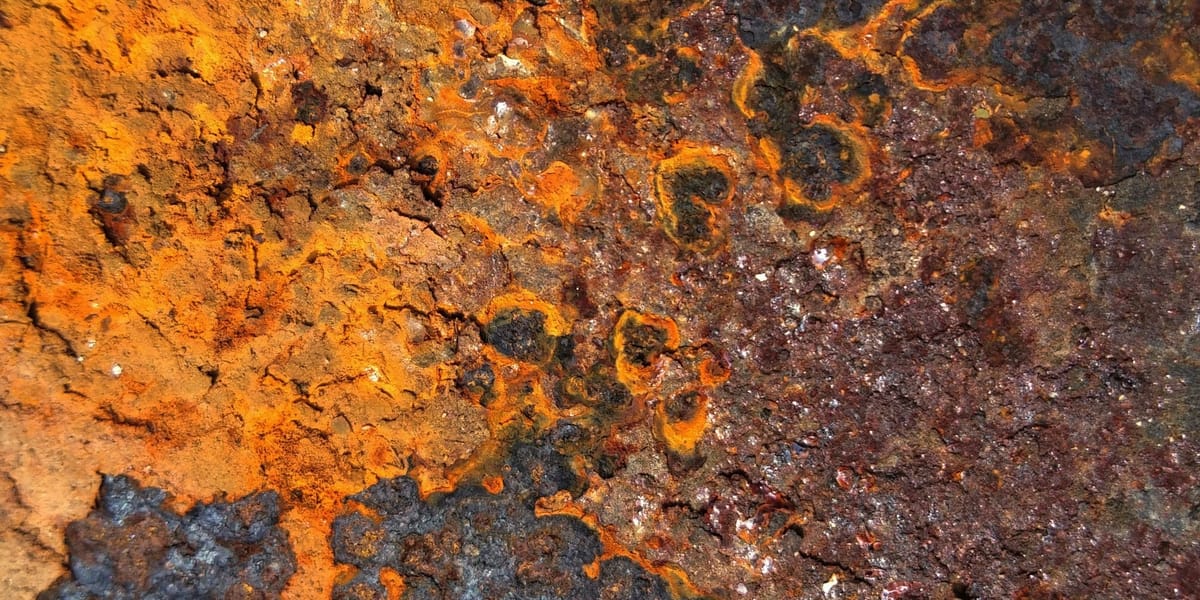
Most artists fight decay. They seal surfaces, use archival materials, prevent oxidation and deterioration. But some artists embrace corrosion as active process, using rust, patina, and chemical transformation to create surfaces and forms that construction alone can't achieve. Weathering steel sculptures develop rich orange-brown rust layers. Bronze turns green through decades of exposure. Iron corrodes in specific patterns revealing the metal's crystalline structure. These aren't failures of preservation—they're intentional transformations where time, chemistry, and environmental exposure become creative partners.
Working with controlled corrosion means understanding oxidation chemistry, predicting how metals will react to specific conditions, and deciding whether to accelerate natural processes or simply accept them. It requires choosing between fighting corrosion to preserve specific aesthetic states or designing work that continues transforming indefinitely. The rust developing on steel isn't failure—it's the material doing what it does, revealing its nature through the chemical processes of deterioration.
Understanding corrosion as artistic process rather than enemy to combat transforms how metals are used. The bright, clean metal is just one temporary state. The corroded, patinated, rusted surface is another state—not inferior but different, carrying time and transformation visibly. Whether creating instant artificial patinas through chemical treatment or designing outdoor sculpture to weather naturally over decades, artists working with corrosion engage chemistry and time as co-creators.
What Rust and Corrosion Actually Are
Corrosion is oxidation—metals reacting with oxygen and moisture forming metal oxides on surfaces. Rust specifically refers to iron oxide, the reddish-brown corrosion of ferrous metals.
Iron rusts through reaction with oxygen and water forming hydrated iron oxide. The chemical process requires both oxygen and moisture. Completely dry iron or iron in oxygen-free environment won't rust. But normal atmospheric conditions provide both, making rust nearly inevitable on unprotected iron and steel.
The rust forms on surfaces then flakes off exposing fresh metal underneath to continue corroding. Unlike some metal oxides that form protective layers, iron oxide is porous and non-protective. The corrosion continues progressively destroying the metal.
This destructive progressive rusting is why most people fight it. But for artists, the rust itself becomes material of interest. The colors, textures, patterns of rust create effects worth pursuing rather than preventing.
Different iron alloys rust differently. Pure iron rusts uniformly. Carbon steel rusts faster. Stainless steel contains chromium that prevents rusting in most conditions. Cast iron has different corrosion patterns than wrought iron or steel.
Understanding which iron alloys corrode how enables choosing appropriate base materials for desired rust effects. Mild steel rusts readily creating heavy rust buildup. Weathering steel (Corten) forms stable rust layer that protects underlying metal.
Environmental conditions dramatically affect rust formation. Marine environments with salt accelerate rusting. Humid climates create more rust than dry climates. Industrial pollution accelerates corrosion through acid formation. The location determines how actively metal corrodes.
Rust colors vary from orange to red to brown to nearly black depending on oxide type and hydration. Fresh rust is bright orange. Aged rust darkens to brown. Different chemical conditions create different oxide types with different colors.
The layered nature of rust buildup creates depth and complexity. Surface rust is bright orange. Deeper layers darken. The stratification creates visual richness that flat paint color can't match.
Rust patterns follow metal's surface conditions and stress points. Scratches rust faster. Welds create different rust patterns. The underlying metal's history becomes visible through differential corrosion.
Bronze and Copper Patination
Bronze and copper develop patinas—colored corrosion layers—that unlike rust are protective, stabilizing the underlying metal.
Natural bronze patina forms over years or decades of outdoor exposure. The bright metallic surface gradually dulls then develops color—greens, blues, browns, blacks depending on environmental conditions.
The green patina on outdoor bronze is copper carbonate or copper sulfate formed from reaction with atmospheric carbon dioxide or sulfur compounds. This verdigris patina is protective, preventing further corrosion beneath.
Marine environments create blue-green patinas from copper chloride compounds. Urban industrial environments create brown or black patinas from copper sulfides. Rural environments with less pollution create different patinas than cities.
Ancient Chinese bronzes develop distinctive green and blue patinas from burial environments. The soil chemistry, moisture levels, and burial duration all affect patina formation creating surfaces impossible to achieve through artificial means.
Renaissance bronze sculptures show natural brown patinas from centuries of exposure. The patina color depends on alloy composition, environmental exposure, and time. Each bronze develops unique patina history.
Artificial patinas use chemicals to accelerate natural processes, creating in hours or days what would take years naturally. This allows controlled patina creation in studio conditions.
Hot patina application heats bronze then applies chemical solutions that react with hot metal creating colored surfaces. The heat accelerates chemical reactions creating permanent color layers.
Common hot patina chemicals include ferric nitrate for brown tones, liver of sulfur for dark browns and blacks, copper sulfate for greens. Each chemical creates characteristic colors on bronze.
Cold patina application uses chemicals without heating, typically requiring longer exposure time but allowing more gradual color development. The slower process enables more control over final color intensity.
The chemical solutions are often toxic—containing acids, heavy metals, sulfur compounds. Proper ventilation, protective equipment, and safe handling are essential. Many patina chemicals are dangerous if inhaled, ingested, or absorbed through skin.
Layering multiple patina chemicals creates complex colored surfaces. Apply one patina, let it develop, apply another, building up layers of different colors creating depth and variation.
Surface preparation affects patina adhesion and color. Clean, grease-free metal accepts patina evenly. Contaminated surfaces create blotchy, inconsistent patination. Proper cleaning before patination is essential.
Waxing patinated bronze seals the surface preventing further patina development and protecting the achieved color. Without wax, outdoor bronze continues developing natural patina over artificial patina.
Some artists prefer evolving patina, allowing natural processes to continue transforming artificially patinated surfaces. The interaction between applied and natural patina creates complex surfaces recording time.
Weathering Steel and Controlled Rust
Corten steel (weathering steel) is designed to rust, forming stable protective rust layer that prevents progressive corrosion beneath.
The rust layer on weathering steel forms within months to years of outdoor exposure, developing characteristic orange-brown color. Once fully developed, the rust layer stabilizes preventing further significant corrosion.
Richard Serra's massive steel sculptures use weathering steel that develops rich rust patinas over time. The rust isn't failure but intended surface character. Early in installation, the steel is relatively bright. Over time, deep rust develops.
The rust evolution means Serra's sculptures look different at different ages. Recent installations show bright steel with early rust. Decade-old works show fully developed deep rust. The aging is part of the work's life.
Weathering steel composition includes copper, chromium, and nickel alloying elements that create the protective rust layer. Regular steel lacks these elements so its rust doesn't stabilize.
The protective rust only forms under specific conditions—cycles of wetting and drying. Constantly wet conditions or constantly dry conditions prevent proper rust layer formation. The steel needs weathering cycles to develop protective patina.
In marine environments or areas with heavy road salt, even weathering steel can corrode destructively. The protective layer doesn't form properly with excessive chloride exposure. Understanding environmental limitations prevents using weathering steel where it will fail.
Rust runoff stains adjacent surfaces. During early weathering, orange rust washes off during rain, staining concrete, stone, or other materials below. This requires either accepting staining or designing to control runoff.
Some installations use catchment systems or sacrificial surfaces to capture rust runoff preventing staining of permanent architecture. Others accept and design around the staining as part of the weathered aesthetic.
Accelerating weathering steel rust through chemical treatment or aggressive initial weathering creates developed rust appearance faster than natural exposure. Salt water spraying, vinegar, hydrogen peroxide all accelerate rust formation.
The accelerated rust might not be identical to naturally formed rust but creates similar appearance in weeks rather than years. For projects needing immediate rust character, acceleration is practical solution.
Indoor weathering steel doesn't rust naturally without moisture and air exposure. Some installations artificially weather steel then bring it indoors, preserving the rust state achieved outdoors.
Sealing weathering steel with clear coatings preserves specific rust state preventing further development. This defeats the material's self-protecting nature but allows controlling exact rust appearance.
The choice between allowing ongoing rust development or sealing at specific state depends on whether progressive change serves the work or undermines it.
Iron Oxide as Pigment
Rust isn't just surface phenomenon—powdered rust (iron oxide) functions as pigment creating characteristic earth tones.
Natural iron oxides include red ochre, yellow ochre, sienna, umber—earth pigments humans have used for millennia. Cave paintings used iron oxide pigments that remain stable tens of thousands of years later.
Synthetic iron oxides manufactured for industrial use provide consistent colors available in large quantities. These pigments are identical chemically to natural iron oxides but without impurities.
Mars colors—Mars red, Mars yellow, Mars orange, Mars brown—are synthetic iron oxides named for Mars (Roman god of war) and the planet's iron oxide-rich surface. They're among the most lightfast, permanent pigments available.
Mixing iron oxide pigments with binders creates rust-colored paints without actual rust. Oil paint, acrylic, watercolor, all can use iron oxide pigments creating rust appearance without metallic substrate.
Some artists use actual rust dust collected from rusting metal as pigment. The powdered rust mixed with binder creates paint from corrosion itself, not just rust-colored pigment.
The texture of rust dust differs from manufactured pigments. Actual rust includes various oxide types, particle sizes, and often contaminating elements creating complex color and texture.
Rust staining from corroding metal in contact with paper, canvas, or other porous materials creates permanent marks. The rust penetrates fibers creating integral staining impossible to remove.
Artists intentionally rust metal in contact with paper or fabric, using the rust migration as drawing or marking process. The rust patterns follow metal edges, pooling in certain areas, creating organic marks.
The unpredictability of rust staining—how far rust spreads, what color intensity develops, which areas stain most—makes this less controllable than painting but creates distinctive effects.
Chemical Recipes and Techniques
Specific chemical treatments create predictable corrosion effects on different metals.
Salt water accelerates iron rusting dramatically. Soaking steel or iron in salt solution or spraying with salt water creates heavy rust within days. The chloride ions accelerate oxidation significantly.
The salt accelerates corrosion but doesn't stop. The rusting continues as long as salt remains and moisture is present. Rinsing salt off eventually stops acceleration but rust continues at slower natural rate.
Vinegar (acetic acid) on iron creates rapid rusting. The acid accelerates oxidation while the moisture provides necessary water. Spraying or soaking metal in vinegar creates quick rust development.
The vinegar smell during application is strong but dissipates as vinegar evaporates. The rust remains after vinegar is gone. Neutralizing residual acid prevents ongoing acidic corrosion.
Hydrogen peroxide accelerates rusting by providing extra oxygen. Mixing hydrogen peroxide with salt and vinegar creates extremely aggressive rust solution forming heavy rust in hours.
This aggressive rusting creates thick, flaky rust buildup quickly but the rust quality differs from slow natural rust. The accelerated rust is less stable, more prone to flaking off.
Muriatic acid (hydrochloric acid) etches and corrodes metal aggressively. It removes existing rust down to bare metal then creates fresh corrosion as acid residue remains.
The extreme danger of muriatic acid—severe burns, toxic fumes, metal damage—requires careful use. Protective equipment including respirator, gloves, goggles, and acid-resistant clothing is essential.
Liver of sulfur on copper and bronze creates dark brown to black patinas. The sulfur reacts with copper forming copper sulfide. The color depends on concentration and application time.
Ferric nitrate on bronze creates brown tones. The iron compound stains bronze surface creating warm brown colors. Multiple applications darken the color progressively.
Cupric nitrate creates blue-green patinas on copper and bronze. This chemical specifically creates verdigris-type colors similar to natural weathering but much faster.
Ammonia fumes on copper create blue-green patinas. Suspending copper over ammonia solution in closed container allows fumes to react with metal creating even turquoise patinas.
The specific recipes—concentrations, application methods, timing—determine results. Experimentation and testing reveal what each chemical does to each metal under various conditions.
Keeping notes on chemical formulas, application methods, and results builds knowledge base. What worked, what didn't, what created unexpected effects, all inform future patination work.
Safety and Toxicity Considerations
Working with corrosive chemicals and metal oxides creates serious health and safety hazards requiring proper precautions.
Many patina chemicals are toxic. Copper compounds, lead compounds, acids, sulfur compounds all pose health risks through inhalation, skin contact, or ingestion.
Proper ventilation is essential. Working outdoors or in spaces with exhaust ventilation prevents toxic fume accumulation. Indoor work without ventilation can cause acute poisoning.
Respirators rated for chemical vapors and particulates protect lungs from fumes and dust. Dust masks aren't sufficient for chemical fumes. Proper respirator with appropriate cartridges is necessary.
Chemical-resistant gloves prevent skin contact with corrosive solutions. Different chemicals require different glove materials. Nitrile gloves resist many chemicals but not all. Understanding chemical compatibility prevents glove failure.
Eye protection using chemical goggles or face shields prevents splashes from contacting eyes. Many corrosive chemicals cause permanent eye damage if splashed into eyes.
Protective clothing including aprons or lab coats prevents chemical contact with skin and protects regular clothing from damage and contamination.
Understanding material safety data sheets (MSDS) for all chemicals used reveals specific hazards, required protective equipment, first aid procedures, and disposal requirements.
Proper chemical storage in clearly labeled, appropriate containers prevents contamination, spills, and accidental exposure. Incompatible chemicals stored together can create dangerous reactions.
Disposal of spent chemicals and contaminated materials must follow environmental regulations. Pouring acids or heavy metal solutions down drains is illegal and environmentally harmful. Proper hazardous waste disposal is required.
First aid supplies including eye wash, chemical burn treatment, and emergency contact information should be immediately available when working with corrosive chemicals.
The long-term health effects of chronic exposure to metal dust and fumes include heavy metal poisoning, respiratory damage, and cancer risk. Minimizing exposure through proper safety practices prevents these serious health consequences.
Environmental Exposure and Natural Weathering
Allowing outdoor sculpture to weather naturally creates rust and patina through environmental exposure over time without chemical intervention.
Orientation affects weathering rates. Surfaces facing weather wet more often than protected surfaces. South-facing surfaces in Northern Hemisphere receive more sun. These orientation differences create varied weathering patterns on single sculpture.
Richard Serra's outdoor steel works develop uneven rust—areas exposed to rain rust more than sheltered areas. This natural variation creates complex surfaces recording environmental patterns.
Coastal proximity accelerates corrosion through salt spray. Sculptures near oceans develop different rust character than inland works. The marine environment creates more aggressive, faster corrosion.
Industrial environments with air pollution accelerate corrosion through sulfur dioxide and nitrogen oxides creating acidic conditions. Urban sculpture corrodes faster than rural sculpture in clean air.
Humidity levels determine rust activity. Desert environments with low humidity create slow, minimal rust. Humid tropical environments create rapid, heavy rust. The local climate dramatically affects weathering rates.
Biological factors including bird droppings, tree sap, lichen growth all affect corrosion patterns. Bird droppings are acidic accelerating corrosion. Lichen produces acids etching metal surfaces.
Rain washing removes loose rust and accumulated salts while delivering fresh moisture for continued corrosion. The cycles of wetting and drying drive weathering more than constant wetness or dryness.
Snow and ice create freeze-thaw cycles stressing corroded surfaces. Water penetrating rust layers expands when freezing, breaking rust off and exposing fresh metal to corrode.
Wind-driven rain wets surfaces that overhead rain wouldn't reach. Wind also carries salt spray inland from coasts and moves industrial pollutants affecting corrosion.
The exposure duration determines rust development state. First years show bright new rust. Decade or more creates deep, stable rust layers. The time scale affects planning for how work will look.
Documentation of weathering progress through periodic photography creates visual record of transformation. Comparing year one to year ten to year twenty shows the rust evolution.
Some artists design work specifically for progressive transformation, accepting that year one appearance is temporary state and decade-later appearance is also temporary. The work exists in continuous transformation.
Designing for Corrosion
Intentionally designing metalwork to corrode in specific ways or using corrosion as surface treatment requires different thinking than preventing corrosion.
Material selection determines corrosion potential. Weathering steel, mild steel, cast iron all corrode at different rates with different characteristics. Choosing metal for its corrosion behavior rather than preventing it inverts normal approach.
Thickness determines how long metal survives corrosion. Thin steel corrodes through faster than thick steel. Designing with thick enough metal ensures structure survives even with corrosion.
Some artists design for eventual complete corrosion—steel thin enough to rust through over years or decades. The work's lifespan is built in, determined by corrosion rate and initial thickness.
Surface preparation affects corrosion pattern. Mill scale (oxide layer from steel manufacturing) creates different rust patterns than bare steel. Sandblasted, ground, or polished surfaces corrode differently.
Painting some areas while leaving others bare creates patterns of rusted and protected surfaces. The masked areas remain bright metal while exposed areas rust.
Using dissimilar metals in contact creates galvanic corrosion where the more active metal corrodes preferentially. Copper in contact with steel accelerates steel corrosion while protecting copper.
Drainage design determines water accumulation patterns affecting rust development. Horizontal surfaces holding water rust more than sloped surfaces shedding water. Intentional water catchment creates controlled rust areas.
Perforations and drainage holes prevent water accumulation but also create rust patterns around holes where water drains. The hole edges rust heavily while centers rust less.
Welded joints corrode differently than base metal. The heat-affected zone around welds has different metallurgy rusting at different rates. Welds become visible through differential rust.
Rusted text or patterns emerge through selective masking during initial rusting then removing masks after rust develops. The text appears in bright metal against rusted background or vice versa.
The design question is whether to control rust tightly or allow organic, uncontrolled development. Both approaches are valid depending on artistic intent.
Preservation Versus Progressive Transformation
Artists and institutions face decisions about whether to preserve specific corrosion states or allow continuing transformation.
Sealing rust with clear coatings stops further corrosion but traps moisture if applied over damp rust. The sealed moisture continues corroding underneath creating delamination and coating failure.
Proper sealing requires dry, stable rust thoroughly cleaned of loose material. The coating must penetrate and seal completely or corrosion continues in unsealed areas.
Wax coatings on rusted steel provide temporary protection requiring periodic reapplication. The wax doesn't stop corrosion permanently but slows it and is easily renewable.
Accepting progressive rust means the work continues changing over time. The sculpture looks different year by year as rust develops. This requires accepting lack of control over final appearance.
Conservation ethics question whether preserving temporary rust state contradicts artist intent for progressive transformation. If artist designed for ongoing rust, preserving specific state might be inappropriate.
But allowing unlimited rust eventually destroys the work. At some point preservation might be necessary or the work disappears entirely. Where that point lies is judgment call.
Documentation of changing corrosion states creates historical record. Periodic photography shows transformation progress and preserves appearance of earlier states after they've changed.
Some institutions document then allow further transformation, recognizing the work exists across time rather than as single fixed state.
Museum climate control prevents or slows corrosion of works stored indoors. The dry, stable environment minimizes rust progression preserving current state relatively well.
Outdoor works can't be climate controlled. The environment continues affecting them. Museums acquiring outdoor weathering steel sculpture accept ongoing transformation as part of the work's nature.
Artist intent matters enormously. If artist explicitly designed for progressive rust, preservation efforts contradict the concept. If artist wanted specific controlled rust preserved, allowing unlimited transformation betrays intent.
Consulting artists or artist estates about preservation versus transformation prevents institutions making contrary decisions. Clear documentation of intent helps future conservators.
Contemporary Artists Working With Corrosion
Understanding how working artists use corrosion clarifies its contemporary applications and conceptual possibilities.
Richard Serra's monumental weathering steel sculptures embrace rust as integral surface character. The rust develops naturally over years creating warm brown patinas that continue evolving.
Serra's work demonstrates that rust isn't failure or compromise but desired surface quality. The rust reveals the steel's materiality and records environmental exposure.
Anselm Kiefer's works often incorporate rust, ash, lead, and other materials associated with decay and destruction. The corroded surfaces connect to his themes of history, memory, war, and cultural trauma.
Kiefer applies rust to canvases, embeds corroded objects in works, uses iron oxide pigments creating surfaces evoking industrial decay and historical weight.
Antony Gormley's iron sculptures rust when exposed to weather. Some works are preserved in controlled environments maintaining bright metal. Others weather outdoors developing rust recording their environmental exposure.
The decision about preservation versus exposure becomes curatorial and conservation question for each work depending on original context and artist intent.
Ursula von Rydingsvard's bronze sculptures use extensive patination creating dark, richly colored surfaces. The patina is carefully controlled through hot patina application creating consistent, permanent color.
The contrast between controlled artificial patina and natural weathering demonstrates different approaches—imposing specific aesthetic versus allowing environmental influence.
Cornelia Parker's installations sometimes use rusted or corroded materials collected from specific sources. The rust carries meaning from objects' histories and transformations.
The corrosion isn't just visual texture but material evidence of time, use, exposure, destruction. The rust documents what happened to objects.
Teresita Fernández's work uses materials including rusted steel and patinated copper creating surfaces with light-reflective and color properties impossible with pristine metal.
The rust and patina aren't damage but sophisticated surface treatment enabling specific visual effects while maintaining material honesty.
Rust as Metaphor and Meaning
Beyond visual effects, rust carries symbolic and conceptual meanings in contemporary art.
Decay and entropy visible in rust make impermanence and mortality tangible. The progressive corrosion is time made visible, material demonstrating its finite existence.
This entropic dimension makes rust powerful for work addressing mortality, aging, environmental degradation, industrial decline. The rust isn't just descriptive but metaphorically loaded.
Industrial history and post-industrial landscape find expression in rust. Abandoned factories, rusting infrastructure, decaying industrial equipment all speak to economic transformation and labor history.
Artists addressing deindustrialization, working-class displacement, economic decay often use rust to reference these themes materially. The rust connects to actual rusted sites and structures.
Time and memory persist in layered rust documenting years of exposure. Like tree rings, rust layers record environmental history in their stratification and pattern.
Some artists emphasize this recording function, treating rust as physical memory of the metal's existence through time and exposure.
Violence and destruction associate with rust through rust's connection to weapons, war machinery, destroyed structures. Rusted metal evokes battlefields, bombed buildings, military waste.
This dark association makes rust effective for work addressing war, violence, trauma. The decay suggests aftermath and ruin.
Beauty in decay challenges assumptions that newness equals value. The rich colors and textures of rust demonstrate that deterioration can be visually compelling.
This aesthetic valuation of decay questions consumer culture's obsession with new and pristine. The rust asserts that aged and weathered have their own beauty.
Environmental commentary emerges from rust's association with pollution, acid rain, industrial contamination. The corrosion suggests environmental damage and toxic conditions.
Artists addressing environmental destruction use rust and corrosion as material evidence of chemical degradation and pollution effects.
Working with rust, patina, and controlled corrosion engages chemistry and time as creative forces. Unlike most art materials that maintain stable states, corroding metals exist in continuous transformation recording their environmental exposure and aging. Whether accelerating natural processes through chemical treatment, designing work for decades of weathering, or preserving specific corrosion states, artists working with oxidation use material processes that construction alone can't achieve. The rust, patina, and corrosion aren't failures of preservation but legitimate surfaces carrying visual, temporal, and symbolic dimensions that pristine metal lacks. Understanding corrosion as artistic process rather than problem to solve transforms how metals are conceptualized and used.