Small Artist-Run Galleries in Toronto's Junction Triangle Actually Showing Experimental Work
Toronto's Junction Triangle artist-run galleries showing experimental work that major commercial spaces won't touch. Real risk-taking in former industrial buildings.
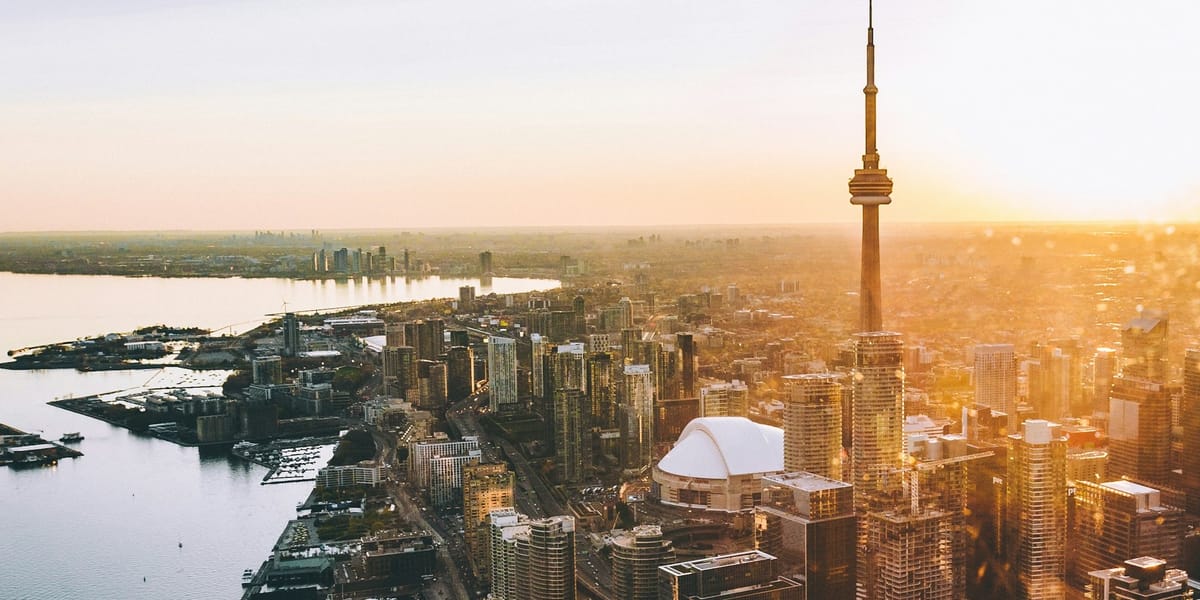
The Junction Triangle sits wedged between railway tracks and the Dupont corridor, a handful of blocks that most Torontonians couldn't locate on a map until artists started colonizing the warehouse spaces in the early 2000s.
Not the Junction. Not Bloordale. Not Little Portugal. The Triangle, specifically.
This geographic precision matters because Toronto's art infrastructure operates through hyper-local neighborhood distinctions that outsiders find baffling but determine everything from rent costs to Canada Council application success rates. The Junction Triangle developed its own identity separate from surrounding areas, creating cluster of artist-run centres that operate according to logic distinct from both commercial Queen West galleries and the institutional apparatus centered around the AGO.
The artist-run centres here show work that doesn't fit anywhere else. Not because it's bad. Because it's genuinely experimental in ways that commercial galleries can't risk and institutions find too messy to deal with. Installation work that requires specialized technical knowledge to install. Performance pieces that happen once then disappear. Conceptual projects addressing Toronto-specific political issues with zero potential for international art fair sales.
This is where artists test ideas that might be terrible. Where failure is expected outcome more often than success. Where the point is investigation, not product.
The Canadian artist-run centre model differs fundamentally from American artist-run spaces, a distinction most people outside Canada don't understand. These aren't just galleries showing members' work. They're nonprofit organizations receiving government funding through Canada Council for the Arts, Ontario Arts Council, and Toronto Arts Council. This public funding means they can program exhibitions that generate zero sales, pay artists exhibition fees even when nothing sells, and maintain professional operations despite operating perpetually on financial edge.
The Junction Triangle's centres benefit from this infrastructure while maintaining scrappier DIY ethos than more established ARCs in other Toronto neighborhoods. They're professionalized enough to navigate grant applications and meet Canada Council standards, but retain the feeling of spaces run by artists for artists rather than arts administrators managing cultural bureaucracy.
The Geography of Affordable Risk-Taking
The Junction Triangle occupies former industrial zone where manufacturing businesses once employed thousands. When those jobs disappeared, the buildings sat vacant or converted to marginal commercial uses. Artists noticed the cheap square footage.
The area runs roughly from Dupont to Dundas West, between Lansdowne and the rail corridor. Walking it takes maybe twenty minutes if you're not stopping to look at things. The density of studios and galleries in this small footprint creates ecosystem where you run into the same artists repeatedly, where studio visits lead to collaborations, where people actually know what everyone else is working on.
Rent remains the compelling factor. A 1,500 square foot warehouse space in the Triangle might run $2,000 to $3,500 monthly. The same space in Liberty Village or King West would cost double or triple. This differential allows artist-run centres to maintain exhibition spaces without requiring constant fundraising beyond grant applications.
The industrial architecture provides what experimental work needs. High ceilings for large installations. Concrete floors that can handle weight and mess. Loading docks for moving equipment and materials. Electrical infrastructure that supports video projections and sound work. Open floor plans without load-bearing walls requiring preservation.
The neighbourhood lacks the foot traffic of Queen West or Ossington. This absence of casual gallery-goers means the centres program for engaged audiences rather than tourist traffic. If someone comes to an opening in the Junction Triangle, they came specifically for that exhibition, not because they happened to be walking by.
The distance from downtown Toronto creates both challenge and protection. The centres operate outside the sight lines of mainstream art media. They don't get reviewed in major publications. They're not on the circuit of collectors doing gallery crawls. This invisibility means less pressure to produce commercially viable programming or court institutional attention.
But it also means the work happens for its own sake, not for external validation.
How Artist-Run Centres Actually Function in Canada
Before getting to specific Junction Triangle spaces, understanding the ARC model clarifies why these galleries matter and how they differ from commercial ventures.
Artist-run centres emerged in Canada during the 1970s as alternatives to commercial galleries and museums that artists felt didn't serve their needs. The model spread nationally, creating network of spaces committed to showing experimental, process-based, and conceptually challenging work that commercial galleries wouldn't touch.
The funding structure shapes everything. Canada Council for the Arts provides operating grants to ARCs meeting specific criteria around governance, programming, and community engagement. Ontario Arts Council and Toronto Arts Council offer additional support. This public funding means centres can pay artists exhibition fees (typically $500 to $2,000 per show), cover installation costs, produce publications, and maintain professional operations.
The exhibition fees matter enormously. Canadian ARCs pioneered the practice of paying artists to exhibit, recognizing that showing work costs artists money in materials, time, and opportunity costs. This payment model, now standard across Canadian ARCs, means artists can take genuine risks without financial catastrophe if work doesn't sell.
The governance requirements typically mandate artist-majority boards, ensuring that artists themselves control programming decisions rather than administrators or funders. This democratic structure prevents centres from drifting into safe institutional programming or commercial considerations.
The programming must demonstrate artistic merit and community benefit. Grant applications require articulating curatorial rationale, demonstrating how exhibitions serve artistic communities, and showing commitment to diverse practices and artists. This accountability creates paperwork burden but ensures public funding serves genuine artistic development.
The publication requirements mean most significant exhibitions generate catalogues, artist statements, or critical essays. This documentation matters for artists building professional track records. Commercial galleries produce price lists. ARCs produce intellectual context.
The model isn't perfect. The grant dependency creates vulnerability to funding cuts and political shifts. The administrative requirements consume enormous volunteer labor. The emphasis on accessible community programming sometimes conflicts with showing genuinely challenging work. But the infrastructure allows experimental practice to exist at professional level that market forces alone couldn't sustain.
XPACE Cultural Centre: Two Decades of Consistent Risk
XPACE operates out of a converted industrial building on Dupont, maintaining one of the longer track records of continuous programming in the Triangle. Founded in 2000 by artists from York University's visual arts program, the centre has survived economic downturns, funding cuts, and multiple rounds of neighborhood transformation.
The name stands for "experimental art" or "extended space" depending on who you ask and when they joined the collective. This definitional fluidity reflects the centre's resistance to fixed identity or predictable aesthetic.
The programming spans everything from traditional painting and photography to performance, installation, sound art, and practices that resist medium categorization. What unifies the diverse offerings is commitment to supporting artists investigating ideas rather than producing marketable objects.
The space itself occupies roughly 1,000 square feet, forcing economy of presentation. Large installations need to be smart about spatial use. Performance work happens in tight quarters where audience proximity becomes part of the piece. This constraint prevents the kind of sprawling, under-edited installations that plague larger venues.
The exhibition schedule runs year-round with shows changing every four to six weeks. The rapid rotation means programming stays fresh and artists don't overstay their installations. It also means committing to exhibition means actually finishing work on deadline, developing professional discipline that serves artists throughout their careers.
XPACE maintains sliding scale membership fees, acknowledging that emerging artists have different financial capacity than established practitioners. The fees support operations while keeping participation accessible. Members gain voting rights on programming decisions, creating genuine democratic control rather than top-down curatorial authority.
The opening receptions draw mixed crowds. Other artists showing at different Junction Triangle spaces. York University students and alumni. Curators from larger institutions scouting for artists. The occasional collector willing to travel for work they can't find elsewhere. The mix creates atmosphere where serious conversation about art actually happens rather than social networking disguised as cultural engagement.
Recent programming has included solo exhibitions by artists investigating digital culture, group shows addressing housing precarity in Toronto, performance series exploring body politics, and experimental sound installations. The common thread involves work asking questions rather than providing answers, investigations rather than demonstrations.
The centre also runs artist talks, workshops, and community events that extend beyond pure exhibition programming. These activities build relationships between artists, create contexts for critical dialogue, and fulfill grant requirements around community engagement without feeling like bureaucratic box-checking.
XPACE exemplifies what sustainable artist-run centre looks like. Not necessarily growing bigger or moving to more prestigious location. Just continuing to exist, continuing to show challenging work, continuing to support artistic investigation year after year.
Duplex: Performance and Time-Based Work in Marginal Spaces
Duplex occupies an even more precarious position, both financially and geographically, on the edges of the Junction Triangle's established arts district. The centre specializes in performance art, time-based media, and ephemeral practices that leave nothing to sell and barely anything to document.
This programming focus makes Duplex essential because almost no other Toronto venues consistently support performance and durational work at professional level. Commercial galleries can't program work that doesn't produce saleable objects. Museums and institutions struggle with the technical and liability challenges of performance. Duplex fills the gap.
The space operates out of a converted industrial unit with minimal renovation. Exposed ceiling infrastructure. Concrete floors. Basic lighting that performers supplement with their own equipment. The rawness suits the work, which often engages with vulnerability, risk, and presence in ways that polished venues would undermine.
The performance programming runs on irregular schedule, with events happening when artists have work ready rather than following fixed exhibition calendar. This flexibility acknowledges that performance development operates differently than studio-based practices. Pieces evolve through iterations. Timing depends on performer availability and technical requirements.
The audiences for performance nights skew toward other performance artists, choreographers from Toronto's dance community, and people genuinely interested in experimental time-based work. You won't find casual viewers seeking light entertainment. The self-selection means audiences come prepared for challenging, sometimes uncomfortable work.
Duplex programs durational performances that last hours or even days, creating experiences impossible in conventional performance venues with subscription seasons and revenue targets. An artist might occupy the space for an entire weekend, with audience members entering and leaving as schedules allow. The work becomes event, something people plan around rather than consume passively.
The documentation challenges facing performance work get addressed through video recording, photographic documentation, and written descriptions, but everyone involved acknowledges that documentation can't capture the live experience. The centre's archive exists less as comprehensive record than as trace evidence that events occurred.
The funding for performance programming requires explaining to grant reviewers why supporting work that leaves no physical artifact matters. Duplex's successful grant applications over years demonstrate that argument can be made convincingly, but it requires articulating value systems different from those governing object-based art markets.
The centre also hosts workshops and skill-shares around performance practice, technical production, and documentation. These educational programs build community while developing collective technical knowledge. An artist who learned video documentation at Duplex workshop might later document another artist's performance, creating reciprocal support networks.
The financial model remains perpetually precarious. Performance programming costs more than exhibition programming because it requires artist fees, technical support, and often equipment rental, while generating zero sales revenue. The centre survives through grant funding, minimal membership fees, and volunteer labor from artists committed to maintaining the infrastructure.
Duplex demonstrates that experimental practice requires dedicated infrastructure willing to support work that commercial logic would eliminate. The centre exists because artists decided performance work matters and committed to creating the conditions for its survival.
Critical Distance Centre for Curators: Meta-Institutional Critique
Critical Distance occupies interesting position as artist-run centre focused on curatorial practice rather than primarily serving as exhibition venue. Located in the Junction Triangle, the centre provides professional development, critical discourse, and networking opportunities for independent curators while maintaining exhibition program that reflects curatorial experimentation.
The organization emerged from recognition that curators, especially independent curators operating outside institutional positions, need support infrastructure similar to what artist-run centres provide for artists. The model addresses specific needs around professional development, peer critique, and creating opportunities to test curatorial ideas without institutional constraints.
The programming includes exhibitions, yes, but also reading groups, symposia, workshops on curatorial practice, professional development sessions, and informal gatherings where curators discuss their work. This expanded definition of programming acknowledges that curatorial practice extends beyond mounting exhibitions.
The exhibitions themselves often function as curatorial experiments, testing unconventional formats or addressing subjects that larger institutions find too risky. You might encounter shows organized through alternative structures, exhibitions that include the curatorial process as visible component, or projects that question what exhibitions can and should do.
The centre has programmed exhibitions exploring how curatorial practice intersects with activism, shows that make institutional critique central rather than peripheral, projects investigating the politics of display, and experiments with alternative exhibition formats. This meta-level engagement with curating itself creates space for reflexivity often missing in both commercial and institutional contexts.
The location in the Junction Triangle rather than downtown core signals commitment to operating outside established art world hierarchies. The centre functions as alternative to institutional curatorial departments while maintaining professional standards and intellectual rigor.
The membership includes both emerging curators developing their practices and established figures interested in experimental approaches. This generational mix creates mentorship opportunities while preventing the kind of insularity that can develop when organizations serve only entry-level practitioners.
The reading groups deserve special attention. They create contexts for serious engagement with curatorial theory, critical texts, and contemporary discourse that otherwise happens mainly in graduate seminars or informal conversations. Making this intellectual work public and collective rather than private transforms how people develop curatorial thinking.
The professional development programming addresses practical realities of independent curatorial practice. How to write grant applications. How to negotiate with institutions. How to develop sustainable practices while maintaining artistic integrity. This practical knowledge typically gets transmitted informally through networks that exclude people without existing connections.
Critical Distance also publishes online content including exhibition reviews, critical essays, and interviews with curators and artists. This publishing program extends the centre's impact beyond physical programming, contributing to broader discourse about contemporary art and curatorial practice.
The centre demonstrates that artist-run centre model can adapt to serve needs beyond traditional artist exhibition support. The same principles of peer governance, public funding, and commitment to experimental practice apply to curatorial development, creating infrastructure that strengthens entire artistic ecosystem.
The Junction Triangle as Ecosystem Rather Than Collection of Spaces
The individual centres matter, but the concentration matters more. The proximity allows artists showing at one space to attend openings at others. Studio artists working in nearby buildings integrate into the gallery community. Curators scouting for artists can see multiple exhibitions in single afternoon.
This density creates critical mass that isolated galleries can't achieve. An opening at XPACE draws people who then walk over to see what's happening at other spaces. Conversations started at one reception continue at another. Artists meet collaborators, curators meet artists, everyone builds networks that generate future projects.
The geographic clustering also creates protection through numbers. When developers eye the area for redevelopment, multiple arts organizations fighting displacement carry more weight than single venue. The Triangle's identity as arts district, however marginal, provides some buffer against immediate gentrification pressure.
The centres program around each other's schedules, avoiding direct competition for audiences while creating concentrated periods of activity. A weekend might have multiple openings, transforming the neighbourhood into destination rather than isolated venue. This coordination happens informally through personal relationships rather than formal scheduling committees.
The shared challenges create solidarity. All the centres navigate the same grant application cycles, deal with similar technical issues in industrial buildings, and face comparable financial pressures. This common experience generates mutual support and resource sharing rather than competitive jealousy.
The ecosystem also includes the studios surrounding the galleries. Artists working in Junction Triangle buildings form the primary audience for the centres while also supplying artists for future programming. This reciprocal relationship between production spaces and exhibition venues creates virtuous cycle that sustains both.
The informal gathering spots matter too. The coffee shops, bars, and restaurants where artists congregate between studio sessions and exhibition prep. These third spaces facilitate the conversations and chance encounters that lead to collaborations and new projects. The Triangle's walkable scale means you actually run into people rather than requiring scheduled meetings.
What Actually Gets Shown That You Won't See Elsewhere
The Junction Triangle centres program work that commercial galleries and major institutions avoid for different reasons. Understanding what gets excluded elsewhere clarifies why these artist-run spaces matter.
Installation work requiring extensive technical knowledge falls into this category. Pieces involving complex electronics, custom software, or specialized fabrication techniques that gallery staff can't maintain. Artists can show this work at ARCs because they install and maintain it themselves, often with peer assistance from other technically skilled artists.
Political work addressing Toronto-specific issues doesn't travel well to international art fairs or commercial galleries seeking broad appeal. Exhibitions critiquing condo development, engaging with municipal politics, or addressing neighborhood gentrification resonate locally but lack commercial viability. ARCs can program this work because they're funded to serve local artistic communities rather than global markets.
Process-based practices that investigate materials, techniques, or concepts without producing resolved objects struggle in commercial contexts. An exhibition showing failed experiments, material tests, and works-in-progress doesn't generate sales but might advance artistic understanding significantly. ARCs create space for this investigative work.
Collaborative and collective projects complicate the individual genius narrative that drives art market valuations. When five artists create work together, who gets the sales credit? How do you build individual career trajectory from collective production? ARCs can show this work because exhibition fees go to participants regardless of sales, removing commercial pressure to maintain individual attribution.
Identity-based work by artists from marginalized communities gets shown at ARCs when commercial galleries worry about market reception or institutional spaces can't move quickly enough to respond to current political moments. The centres provide platform for voices that mainstream art world engages with performatively while maintaining programming that centers white, male, established practices.
Experimental curatorial formats that question exhibition conventions themselves happen at ARCs because the centres have less invested in maintaining traditional display standards. Shows might include unfinished work, expose curatorial process, or deliberately create uncomfortable viewing experiences that challenge audience expectations.
Text-based and conceptual work that exists primarily as documentation, instructions, or language rather than visual spectacle finds support at ARCs. This work often generates the most interesting critical discourse while having the least commercial potential, making it perfect fit for artist-run centre programming.
Time-based media requiring specialized equipment and technical support can show at ARCs willing to invest in proper presentation. Multi-channel video installations, sound works requiring specific acoustic treatment, and interactive digital pieces all demand technical infrastructure that many commercial galleries lack.
The work that fails spectacularly gets shown at ARCs because failure is understood as part of experimental practice rather than career-ending disaster. Commercial galleries can't afford to show work that might not succeed. ARCs explicitly create space for risk-taking that includes possibility of ambitious failure.
The Canadian Funding Model and What It Enables
The Junction Triangle centres operate within Canadian arts funding infrastructure that shapes everything from exhibition fees to programming choices. Understanding this context explains why Canadian ARCs function differently than American artist-run spaces.
Canada Council for the Arts provides operating grants to ARCs meeting specific criteria around governance, programming quality, and community engagement. These grants might range from $20,000 to $100,000 annually for small centres, providing foundation that allows professional operations.
Ontario Arts Council and Toronto Arts Council offer additional operating and project support. The multiple funding sources create diversified revenue that reduces dependence on any single granting body. If Canada Council cuts funding, OAC support might increase, providing some stability.
The exhibition fees that Canadian ARCs pay artists stem from recognition that showing work costs artists money and shouldn't require private wealth to sustain. A typical solo exhibition fee might be $1,500 to $2,500, covering some material costs and compensating for time spent installing. Group show fees scale accordingly, perhaps $500 to $1,000 per artist.
These fees, mandated by many granting bodies as condition of funding, transform the economic relationship between artists and exhibition spaces. Instead of artists paying submission fees or shipping costs hoping for sales that might never materialize, they receive guaranteed compensation for their labor regardless of commercial outcomes.
The public accountability required by government funding creates administrative burden but ensures resources serve actual artistic communities. Grant applications require demonstrating how programming supports artistic development, provides opportunities for diverse artists, and contributes to cultural ecosystem. This accountability prevents centres from becoming vanity projects for small groups.
The peer assessment panels that evaluate grant applications consist of working artists and curators rather than bureaucrats. This peer review ensures that artistic merit drives funding decisions, though the process isn't perfect and biases certainly exist.
The multi-year funding cycles provide some planning stability. If a centre receives three-year operating grant, they can plan programming across multiple seasons rather than scrambling grant-to-grant. This stability allows for more ambitious projects requiring extended development.
The emphasis on documentation and publication in grant requirements means Canadian ARCs produce substantial archival records of their programming. Catalogues, artist statements, critical essays, and installation documentation create intellectual infrastructure that benefits artists long after exhibitions close.
The funding model's vulnerability to political shifts creates existential anxiety. Conservative governments historically cut arts funding. Economic downturns reduce budgets. The centres operate knowing that public support might diminish with next election cycle.
But the infrastructure enables experimental practice at scale impossible through purely commercial or private patronage models. The Junction Triangle centres exist because Canadian cultural policy decided that supporting artistic experimentation serves public interest worthy of government funding.
Practical Realities of Visiting and Engaging
Actually visiting Junction Triangle galleries requires different approach than visiting commercial galleries or major museums.
The hours are irregular. Most centres operate by appointment outside of openings and specific event nights. The website might list hours, but calling ahead or checking social media prevents wasted trips. People running these spaces also teach, maintain studio practices, and juggle multiple jobs. The gallery isn't their full-time priority.
The openings happen on predictable schedule, typically first or second weekend of month to coordinate with other Toronto galleries. These receptions provide reliable access while creating concentrated periods of activity that draw larger crowds than random weekday afternoons.
Getting to the Junction Triangle from downtown Toronto requires intention. It's not on a convenient subway route. You're taking streetcar or bus, or driving and hunting for parking in industrial area with limited street spots. This friction filters for engaged audiences rather than casual foot traffic.
The spaces themselves lack the polish of commercial galleries. Bathrooms might be questionable. Climate control can be erratic. The storefront might share entrance with active manufacturing business. This rough aesthetic reflects resource constraints and industrial location, not curatorial choice, though it suits the work shown.
The reception refreshments tend toward cheap wine and basic snacks rather than catered affairs. Nobody's trying to impress collectors. The food and drink exist to create social lubrication for conversations about art, not to signal status or sophistication.
Dress codes are nonexistent. Wear whatever you'd wear to visit a working studio. The artists and curators certainly aren't dressing up. The egalitarian atmosphere means a first-time visitor and an established curator get treated similarly.
The conversations at openings can be genuinely substantive because the audiences select themselves. People who travel to Junction Triangle for experimental art opening usually have actual interest in the work rather than social obligation to attend. This means you can ask questions, express confusion, or engage critically without seeming unsophisticated.
The mailing lists matter more than websites for staying current. Sign up at openings or through websites to receive exhibition announcements and event notifications. The centres don't have marketing budgets for advertising. They rely on direct communication with interested audiences.
The social media presence varies wildly. Some centres maintain active Instagram with exhibition documentation and event updates. Others post occasionally or not at all. Following the individual artists showing at centres often provides better updates than following the venues themselves.
Supporting the centres can take forms beyond purchasing work, which might not even be for sale. Attending openings provides moral support and audience validation. Sharing exhibition information through your networks extends reach. Volunteering time if you have relevant skills helps centres operate on limited budgets.
Memberships, where offered, provide financial support while gaining voting rights on programming decisions. The annual fees are typically modest, maybe $50 to $200, making meaningful participation accessible to most people genuinely interested.
The Curatorial Authority of Artist-Run Centres
The Junction Triangle centres develop curatorial authority through consistency and willingness to support artists before broader recognition arrives.
XPACE has shown artists who later exhibited at Power Plant, AGO, and international venues. The early platform provided crucial professional development and documentation that helped artists advance to institutional contexts. This track record makes curators and collectors pay attention to current XPACE programming.
The centres' willingness to show difficult, uncommercial work signals commitment to artistic merit over market validation. When a centre consistently programs challenging exhibitions that institutions won't touch and commercial galleries can't sell, that curatorial vision develops credibility with artists and serious viewers.
The peer governance model means programming decisions emerge from artist communities rather than individual curators imposing personal taste. This collective authority differs from institutional curation where single curator's vision dominates, creating more democratic but sometimes less coherent programming.
The documentation practices generate intellectual infrastructure around exhibitions that commercial galleries rarely produce. Artist statements, critical essays, catalogues, and online content create context that helps audiences engage with challenging work while building scholarly record for future reference.
The centres also serve as testing grounds for curatorial ideas that might later develop into institutional exhibitions. A curator might first experiment with unconventional exhibition format at ARC, refining the approach before pitching to larger venue. The centres provide R&D function for broader art world.
The relationships between centres and university art programs create pipelines where recent graduates can show immediately after completing degrees. This access matters enormously for emerging artists needing to maintain momentum and build professional track records while searching for commercial representation or institutional opportunities.
Why This Matters Beyond Toronto
The Junction Triangle artist-run centres operate within specifically Canadian and Torontonian contexts, but the model has broader implications.
The centres demonstrate that public funding can support genuinely experimental practice rather than safe cultural programming. The infrastructure enables risk-taking because financial sustainability doesn't depend entirely on commercial success. This creates alternative to purely market-driven art ecosystems.
The exhibition fees paid to artists challenge the exploitative assumption that artists should be grateful for exposure. Recognizing that showing work costs money and deserves compensation transforms the economic relationship between artists and exhibition spaces in ways that benefit artistic practice.
The governance models ensure that artists maintain control over programming rather than ceding decisions to administrators, funders, or commercial interests. This democratic structure keeps centres responsive to actual artistic community needs rather than external agendas.
The focus on process and investigation over product and sales creates space for work that doesn't fit commercial or institutional categories. This expanded definition of what art can be enriches overall cultural discourse by including practices that market logic would eliminate.
The documentation and publication requirements create intellectual infrastructure that commercial galleries often skip. This archival work benefits artists, researchers, and future audiences trying to understand contemporary artistic production.
The community-building functions extend beyond exhibition programming to create social infrastructure that sustains artistic practice. The talks, workshops, gatherings, and informal interactions matter as much as what hangs on walls.
The centres provide model for how urban neighborhoods can maintain artistic vitality despite development pressure. The Junction Triangle hasn't been completely gentrified partly because the artist-run centres established cultural identity that developers and city planners had to acknowledge.
The relationship between centres and larger institutions shows how experimental platforms can feed into mainstream art world while maintaining independent identity. Artists develop practices at ARCs then move into institutional contexts, creating productive exchange between margins and centre.
The Precarity Underneath Everything
The Junction Triangle centres operate under constant threat despite their importance and government support.
Funding remains perpetually uncertain. Grant applications consume enormous volunteer labor with no guarantee of success. Panels change composition. Funding priorities shift. Economic downturns reduce available resources. The centres live grant-cycle to grant-cycle, unable to plan confidently beyond next funding decision.
The volunteer exhaustion is real. Running artist-run centres requires endless administrative work, grant writing, exhibition coordination, and general organizational labor that isn't artistic practice. People burn out. They take institutional jobs. They leave Toronto for teaching positions elsewhere. The centres need constant infusions of new energy to survive.
The gentrification pressure increases yearly. The Junction Triangle that offered cheap industrial space twenty years ago now sees condo development and commercial real estate speculation. Rent increases force decisions about whether centres can remain in neighborhoods they helped establish or must relocate to further margins.
The buildings themselves present challenges. Industrial spaces lack proper climate control, have unreliable plumbing, suffer water damage, and require constant maintenance that centres can't always afford. The raw aesthetic works for some exhibitions but creates real operational difficulties.
The small audiences mean limited community support for fundraising beyond grant applications. The centres can't do gala fundraisers that generate six-figure revenue. The donor base consists of artists and modest individual supporters, not wealthy patrons writing large checks.
The succession planning challenges emerge as founding members age out or move on. How do you transfer institutional knowledge and community relationships when organizations run on volunteer labor? The centres that survive develop processes for bringing new members into leadership, but the transitions aren't smooth.
The pandemic forced temporary closures that some centres survived while others didn't. The shift to online programming and virtual exhibitions worked for some practices but failed for installation and performance work requiring physical presence. The long-term impacts remain unclear.
But the centres persist because artists decide they matter enough to sustain. The Junction Triangle's artist-run centres exist because generations of artists committed time, energy, and resources to maintaining infrastructure that serves experimental practice. This ongoing recommitment, despite obvious challenges and minimal financial reward, demonstrates that people value something beyond commercial success or institutional validation.
The work happens. The spaces survive. The infrastructure continues serving artists investigating ideas, taking risks, and producing work that doesn't fit anywhere else.
That persistence itself constitutes achievement worth recognizing.