Storefront Galleries in Philadelphia You've Never Heard Of But Should Visit
Philadelphia's gallery scene operates in the shadow of New York, two hours north by train. Collectors make day trips to Chelsea instead of supporting local spaces. The art press barely acknowledges anything happening between Manhattan and DC.
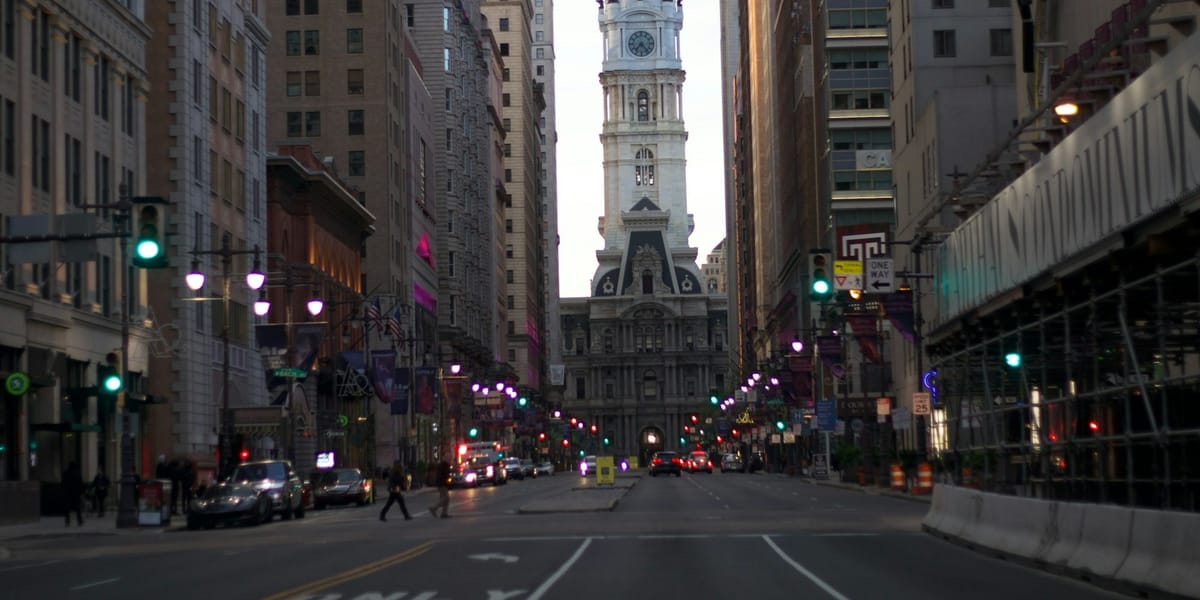
But precisely because Philadelphia exists outside the attention economy of major art centers, its small storefront galleries can take risks that would be financial suicide elsewhere.
These aren't vanity projects or hobby spaces. They're serious exhibition venues run by artists, curators, and dealers who understand that operating at small scale doesn't mean accepting diminished ambition. The work shown in these storefronts competes directly with what you'd see at Frieze or Art Basel, except you can actually have a conversation with the gallerist without an appointment, and you might leave with a piece for four figures instead of six.
The city's storefront galleries cluster in specific neighborhoods, each with distinct character shaped by rent costs, artist demographics, and proximity to institutions. Understanding these geographic patterns helps you navigate efficiently rather than wandering aimlessly hoping to stumble onto something good.
Why Philadelphia's Storefront Model Works When Others Don't
The economics are brutal everywhere, but Philadelphia's particular cost structure creates conditions where small galleries can survive.
Storefront rent in Fishtown runs $1,500 to $3,000 monthly. That's less than a one-bedroom apartment in parts of Brooklyn. This pricing lets gallerists operate without constant sales pressure. They can show challenging work that won't move immediately. They can represent emerging artists who haven't established collector bases. They can mount experimental exhibitions that generate critical attention instead of revenue.
The artist community provides both supply and audience. Philadelphia has roughly 8,000 working artists, many with MFAs from PAFA, Tyler, or UArts. These aren't weekend painters. They're professionals producing significant work while teaching, bartending, or doing whatever it takes to maintain studio practice. This density creates peer community where artists attend each other's openings, provide critical feedback, and occasionally buy each other's work.
The collector base, while smaller than New York or LA, includes serious people building coherent collections over decades. They're doctors, lawyers, professors, and business owners who actually care about contemporary art beyond investment potential. Many maintain relationships with specific galleries, visiting regularly and supporting artists they believe in through multiple purchases over years.
The institutional infrastructure matters more than artists typically acknowledge. The Philadelphia Museum of Art, ICA, Fabric Workshop and Museum, and numerous university galleries provide context and credibility. When a storefront gallery shows an artist who later appears at ICA, that connection validates the commercial space's curatorial judgment. Collectors pay attention. Critics take notice.
Distance from New York functions as filter. Gallerists who choose Philadelphia over Brooklyn or Lower East Side tend to prioritize sustainable practice over rapid growth. They're not trying to flip artists to mega-galleries after one successful show. They're building long-term relationships with artists whose practices they genuinely respect.
This slower pace produces different exhibition rhythms. Shows run six to eight weeks instead of four. Opening receptions happen on First Fridays when multiple galleries coordinate, creating critical mass that draws people out. The calendar follows academic patterns because so many participants teach or attend local art schools.
Fishtown's Storefront Concentration
Fishtown transformed from working-class Polish neighborhood to arts district following the familiar pattern of artists seeking cheap rent, then galleries following artists, then everyone else following galleries. The process accelerated after 2010 when the area became undeniably established rather than merely emerging.
The storefront galleries line Frankford Avenue and the surrounding blocks, occupying former corner stores, defunct retail spaces, and repurposed commercial buildings. Many maintain residential apartments above or behind the gallery, with owners literally living with their programs.
Vox Populi stands as the oldest artist-run space in the district, operating since 1988 with rotating artist-director model that prevents any single aesthetic vision from dominating. The programming spans painting, sculpture, installation, video, and performance, unified more by quality and risk-taking than stylistic coherence. They show artists at various career stages, from recent graduates testing ideas to mid-career practitioners mounting ambitious projects.
The space itself occupies a narrow storefront with high ceilings and good natural light. Limitations become opportunities. Artists respond to the architectural constraints, creating site-responsive work that wouldn't exist in generic white cubes. The installation challenges force creative solutions that often improve the work.
Vox Populi's membership structure deserves attention. Artists pay annual dues and volunteer time in exchange for exhibition opportunities and community access. This model democratizes participation while maintaining professional standards through peer review. Not every member gets solo shows, but everyone contributes to collective operations.
The exhibitions change monthly, creating constant rotation that rewards repeated visits. You might see abstract paintings one month, followed by political installations, then conceptual photography, then experimental sculpture. The variety prevents the programmatic stagnation that kills many artist-run spaces.
The opening receptions draw substantial crowds, partly because Vox Populi has earned reputation for discovery. They've shown artists who went on to significant careers, creating track record that makes people pay attention to current programming. Collectors attend knowing they might encounter the next artist whose work becomes unaffordable in five years.
Just blocks away, Ortega y Gasset Projects operates on entirely different model. This is commercial gallery representing specific roster of artists, though the scale remains intimate and the approach decidedly anti-corporate. The space occupies a former pharmacy, retaining some original fixtures that create distinctive installation context.
The program focuses on conceptual practices engaging language, systems, and institutional critique. You'll see artists working with text, bureaucratic forms, archival materials, and social structures. The aesthetic restraint might read as austere to casual viewers, but the intellectual rigor attracts serious collectors and institutional attention.
Gallery director Hillary Wiedemann maintains relationships with artists over years, showing their development across multiple exhibitions rather than churning through new names for novelty's sake. This commitment to sustained engagement produces deeper programming than galleries constantly seeking the next trend.
The exhibitions often include publications, expanding the artwork beyond physical objects into distributed forms. These books and editions become artworks themselves, not merely documentation. The publishing program has developed its own following among collectors interested in artists' books and limited editions.
Prices range from a few hundred dollars for prints and editions to low five figures for unique works. This accessibility matters in city where most collectors can't afford the six-figure minimums increasingly common at major galleries. You can actually start a meaningful collection here without inheritance or Wall Street salary.
Napoleon occupies a tiny storefront that forces radical curation. The space barely fits fifteen people at opening receptions, creating intimate viewing conditions impossible in larger venues. This constraint shapes programming toward solo presentations or very small group shows.
The program emphasizes artists working with color, surface, and phenomenological experience. You'll see hard-edge abstraction, color field investigations, minimalist sculpture, and work engaging perceptual psychology. The curatorial through-line values visual intelligence and material sophistication over conceptual gymnastics or political messaging.
The size limitation actually enhances certain work. A painting that might get lost on museum walls dominates the space at Napoleon, allowing sustained attention to subtle color relationships and surface nuance. Sculpture fills the room, becoming environment rather than discrete object.
The gallery operates by appointment and during First Friday openings, acknowledging that full-time storefront hours don't make economic sense at this scale. This model requires collectors and viewers to be intentional rather than casual, filtering for people genuinely interested rather than foot traffic seeking free wine.
Grizzly Grizzly brings Philadelphia DIY ethos to gallery operations. The artist-run space occupies a storefront in a grittier section of Fishtown, maintaining working-class aesthetic even as the neighborhood gentrifies around it. The programming embraces punk sensibility, noise music connections, and general resistance to art world polish.
The exhibitions often include performance, sound, and time-based work that wouldn't survive in commercial galleries needing sellable inventory. You might encounter experimental video, durational performances, participatory installations, or work that actively resists commodification. This oppositional stance feels increasingly rare as even artist-run spaces professionalize.
The space also functions as community hub, hosting artist talks, screenings, and informal gatherings that extend beyond exhibition openings. This social dimension matters in neighborhood where artists need gathering spots that aren't bars or coffee shops. The gallery provides context for serious discussion about work and practice.
The rotating artist-director model keeps programming fresh and prevents institutional calcification. Different directors bring different networks, aesthetics, and priorities, creating variety across years even as the underlying commitment to experimental practice remains constant.
Old City's Established Alternatives
Old City represents Philadelphia's original gallery district, though the concentration has diminished since the 1990s peak when dozens of spaces operated in the cobblestoned blocks near Independence Hall. Rising rents and changing collector patterns pushed many galleries elsewhere, but several significant storefronts persist.
Pentimenti Gallery occupies a corner space near the 2nd Street gallery cluster, showing contemporary work alongside select historical pieces. The program balances regional artists with national figures, creating conversations between established and emerging practices.
The gallery maintains serious commitment to painting, showing artists working in both traditional and experimental approaches. You'll see representational work engaging contemporary subject matter, abstract investigations of surface and gesture, and hybrid practices that resist easy categorization. The curatorial vision values sustained studio practice and material intelligence over fashionable concepts or shock tactics.
Gallery director Christine Pfister brings decades of experience and genuine relationships with collectors who trust her judgment. This trust matters enormously. When she recommends an artist, people pay attention because the track record justifies confidence. This curatorial authority helps emerging artists find audiences.
The space itself offers good proportions and natural light, creating professional viewing conditions without the intimidation factor of pristine white cubes. You can imagine living with the work, which helps collectors make purchase decisions. The scale feels residential rather than institutional.
Prices reflect the balance between emerging and established artists. You might find strong work by recent graduates for $2,000 to $5,000, while pieces by mid-career artists with institutional recognition run $8,000 to $20,000. This range accommodates collectors at different budget levels while maintaining quality standards.
The exhibitions change every six to eight weeks, following traditional gallery rhythms rather than the rapid rotation of artist-run spaces. This pacing allows work to settle, for word to spread, for serious viewers to make multiple visits. First Friday openings attract crowds, but the gallery maintains regular hours for quieter contemplation.
Fleisher-Ollman occupies a narrow storefront nearby, specializing in self-taught and outsider art alongside contemporary work engaging similar formal or conceptual territory. This combination creates unexpected juxtapositions that illuminate both historical and current practices.
The gallery has shown major self-taught artists like James Castle, Bill Traylor, and Thornton Dial, bringing museum-quality work to commercial context. These exhibitions matter because they provide access to important historical work outside institutional settings. Collectors can actually purchase pieces that belong in permanent collections.
The contemporary program focuses on artists whose work dialogues productively with self-taught traditions. You'll see contemporary painters channeling similar obsessive mark-making or symbolic systems, sculptors working with found materials and intuitive construction, and artists whose practices resist academic art world conventions.
This crossover programming challenges hierarchies between trained and untrained, academic and intuitive, insider and outsider. The gallery insists that visual intelligence and compelling vision matter more than credentials or career paths. This democratic approach feels increasingly important as the art world becomes ever more professionalized and credentialed.
The space maintains intimate scale that suits the work. Large museum galleries can overwhelm self-taught pieces created for personal spaces. The storefront proportions create appropriate viewing context, allowing the work's intensity and particularity to register fully.
South Street and Bella Vista Galleries
South Street's commercial chaos extends into surrounding blocks, where cheaper rent than Old City or Fishtown attracts galleries willing to trade foot traffic for affordability.
The Community Education Center operates as nonprofit space with exhibition program that punches above its weight. The storefront gallery shows contemporary work by regional artists, often providing first significant exhibition opportunities for emerging practitioners.
The programming spans all media with emphasis on socially engaged practice and work addressing community concerns. You'll see exhibitions exploring urban development, racial justice, environmental issues, and economic inequality. The curatorial vision values artistic quality but insists on engagement with world beyond aesthetic contemplation.
The space provides crucial platform for artists whose work might be too political or too community-focused for commercial galleries. This programming fills genuine gap in Philadelphia's ecology, creating opportunities that wouldn't otherwise exist.
The exhibitions often include public programs, artist talks, and community events that extend beyond objects on walls. This activation matters for work that engages social concerns. The art becomes catalyst for dialogue rather than endpoint.
InLiquid occupies a storefront on Bainbridge Street, operating as artist-run nonprofit with exhibition program, studio space, and professional development resources. The model combines multiple functions under one roof, creating infrastructure that supports artists holistically rather than just providing occasional exhibition opportunities.
The gallery space shows work by InLiquid members and invited artists, maintaining professional presentation standards while keeping the communal, supportive atmosphere of artist-run operations. The exhibitions demonstrate remarkable range, from painting and sculpture to new media and installation.
The membership model creates sustainable funding while building committed community. Artists pay annual fees that support operations while gaining access to exhibition opportunities, studio space, networking events, and professional development programs. This comprehensive approach addresses multiple needs rather than just putting work on walls.
The location in Bella Vista provides accessible storefront without the premium costs of trendier neighborhoods. The gallery maintains regular hours, making it easy for collectors and viewers to visit during normal schedules rather than requiring special appointments or First Friday attendance.
West Philadelphia's Academic-Adjacent Spaces
West Philly galleries operate in proximity to Penn and Drexel, creating ecosystem where academic discourse influences but doesn't dominate commercial and artist-run programming.
Icebox Project Space occupies a former ice company warehouse, maintaining the raw industrial aesthetic while providing flexible exhibition environment. The space hosts exhibitions, performances, screenings, and events that blur boundaries between gallery, performance venue, and social space.
The programming embraces experimental practices that resist commodification. You'll encounter durational performances, sound installations, participatory projects, and work that exists primarily as experience rather than object. This commitment to ephemeral and time-based practices provides crucial platform for artists working outside traditional gallery models.
The space fills on event nights, drawing crowds from Penn's art community and the broader West Philly artist population. The energy feels more like underground music venue than pristine gallery, which suits the work shown. There's beer, there's noise, there's actual excitement about what's happening.
The DIY operations and volunteer labor create fragility, but also freedom. No one's trying to sell paintings to pay rent. The exhibitions happen because people believe they should happen, not because business models demand it. This purity of purpose shows in the risk-taking and genuine experimentation.
The exhibitions often respond to current political moments, addressing immigration, housing justice, police violence, and other urgent concerns. The work doesn't just reference these issues abstractly. It engages them directly, sometimes uncomfortably, refusing the safe distance that lets art remain decorative.
Marginal Utility operated as crucial West Philly space before closing, demonstrating both the potential and precarity of small storefront galleries. Worth mentioning because their legacy influences current programming elsewhere and because the space might reopen in some form.
They showed challenging contemporary work by local and national artists, maintaining serious curatorial standards while keeping operations intentionally small-scale and accessible. The exhibitions often featured installation, sculpture, and new media rather than traditional gallery fare of paintings and photography.
The closing illustrates persistent challenges facing small galleries everywhere. Rent increases, funding difficulties, volunteer burnout, and simple exhaustion of running space without commercial revenue all contributed. These structural problems affect even well-regarded, community-supported venues.
Kensington's Emerging Gallery Scene
Kensington represents Philadelphia's current frontier for artist studios and galleries, following the pattern of artists seeking affordable space in neighborhoods not yet transformed by development pressure.
Grizzly Grizzly's second location operates in Kensington, providing additional exhibition space and demonstrating commitment to the neighborhood's developing arts infrastructure. The satellite space allows for larger installations and work that wouldn't fit in the main Fishtown location.
Several other small galleries and artist-run spaces have opened in recent years, creating nascent district that might develop critical mass. The pattern repeats across American cities. Artists find cheap rent. Galleries follow. Then developers notice the "creative district" and the displacement cycle begins again.
For now, Kensington provides opportunities. The storefront spaces are raw, often requiring significant work to become functional galleries. But this sweat equity creates ownership and investment in the neighborhood's cultural development.
The challenge involves operating in area facing serious social issues. Kensington struggles with opioid epidemic, poverty, and inadequate city services. Galleries opening here need to engage these realities rather than treating the neighborhood as merely cheap real estate. The artists and gallerists doing this work well integrate into existing community rather than creating isolated arts bubble.
The exhibitions often reflect the neighborhood's complexity, addressing economic inequality, addiction, displacement, and resilience without reducing these subjects to aesthetic opportunities. The work acknowledges that making art in Kensington means operating within specific social context that demands responsibility and awareness.
How to Actually Visit These Galleries
The logistical reality of small storefront galleries requires different approach than visiting major museums or Chelsea galleries.
Many keep irregular hours. The website might say "Thursday through Sunday, 12-6" but the gallerist is also teaching three days a week and had to reschedule because of an installation across town. Call ahead or check social media for actual current hours. Better yet, visit during First Friday when everything's definitely open.
First Friday happens the first Friday of every month across Philadelphia galleries. Old City started the tradition decades ago. Fishtown now has bigger crowds. The galleries coordinate opening receptions, creating critical mass that makes it worth battling for parking or taking the train from Center City.
Arrive between 6 and 8 PM for prime opening reception energy. Earlier might mean you're helping with setup. Later means the wine's gone and people are heading to bars. The two-hour window captures optimal gallery hopping conditions.
Dress doesn't matter much. Philadelphia galleries operate with notable lack of pretension compared to New York or LA. Wear whatever you'd wear to dinner at a decent restaurant. Nobody's judging your outfit, and if they are, you probably don't want to talk to them anyway.
Parking in Fishtown is terrible on First Fridays. Bike if weather permits. Take the Market-Frankford Line to Girard or York-Dauphin and walk. The galleries cluster within a few blocks, making it entirely walkable once you arrive.
Old City is more accessible by public transit. Multiple bus and subway lines serve the area. Parking still exists in garages if you must drive, though it's expensive and unnecessary.
Gallery etiquette is simple. Look at the work. Ask questions if staff aren't busy with other visitors. Don't touch anything unless explicitly invited. If you're genuinely interested in a piece, ask about pricing. Gallerists would rather discuss sales than have you wonder silently then leave.
Small galleries welcome questions and conversation in ways that major commercial spaces often don't. The person you're talking to might be the director, the artist, or another visitor. This informality creates opportunities for genuine dialogue about the work.
If you're serious about potentially purchasing, say so. "I'm interested in this piece but need to think about it" is perfectly acceptable. Get the price list, take the gallerist's card, ask to be added to the mailing list. Follow up within a week or two if you're truly considering a purchase.
Most small galleries offer payment plans for significant purchases. Don't assume you need full payment immediately. Ask about terms. Many would rather have committed collector paying over six months than wait for someone who can write a check that day.
The Collector Perspective
Buying from small Philadelphia galleries offers advantages that major market purchases don't provide.
Prices remain accessible. Strong work by emerging artists runs $500 to $3,000. Mid-career artists with regional recognition might ask $3,000 to $15,000. You can build a serious collection without requiring trust fund or finance industry income.
The relationships matter more than transactions. Gallerists remember collectors who support artists over time, attending multiple shows and making considered purchases. This loyalty gets reciprocated with first notice of new work, invitations to studio visits, and introduction to artists before they break into larger markets.
You're not just buying objects. You're supporting the infrastructure that makes artistic practice possible in Philadelphia. Your purchase helps the artist pay rent, buy materials, and continue working. It helps the gallery survive another month and program another exhibition. This direct impact feels more meaningful than adding another piece to warehouse storage in a freeport.
The work often has room to grow in value because the artists haven't peaked yet. You're buying at the beginning of careers rather than after market consensus has formed. This speculation isn't guaranteed, but the upside exists in ways it doesn't when buying blue-chip work at established prices.
The access to artists creates deeper understanding of the work. In small galleries, you'll likely meet the artist at the opening, have actual conversations, maybe visit their studio. This connection enriches the experience of living with the work. You know the person who made it, understand their concerns, can watch the practice develop over years.
Documentation and provenance matter even at accessible price points. Make sure you get proper receipts, certificates of authenticity, and condition reports. Small galleries sometimes slack on paperwork, but you need these materials for insurance, future sales, or estate planning.
The Artist Perspective
For artists, Philadelphia's small galleries provide crucial infrastructure that supports professional practice outside major markets.
The exhibition opportunities exist at scale impossible in New York or LA where competition overwhelms supply. A strong painter in Philadelphia can reasonably expect to show every year or two in respectable venues. The same artist in New York might wait five years for comparable opportunity.
The galleries provide feedback and critical context. Even if shows don't generate significant sales, they create visibility, documentation, and professional validation. You can put the exhibition on your CV, use installation images in applications, and cite the critical response in future proposals.
The sales, when they happen, actually matter financially. Selling three pieces at $2,000 each is $6,000 toward rent and materials. That's meaningful income for working artists. In major markets, that same work might sell for $5,000 but only after years of waiting for the opportunity, and the gallery takes 50%, leaving you with similar net after accounting for higher living costs.
The community connections matter more than economic factors. The galleries create social infrastructure where artists meet peers, share resources, and develop genuine friendships. This network provides emotional and practical support that sustains practice through difficult periods.
The proximity to institutions creates pipeline for upward mobility. Artists showing consistently in good small galleries get noticed by curators at ICA, Fabric Workshop, Moore College, and other institutions. These larger opportunities build on the foundation established through storefront exhibitions.
The relationship with gallerists can extend beyond single shows. Some small galleries maintain ongoing representation, showing artists multiple times over years and building sustained relationships with collectors interested in the work. This stability allows for artistic development without constant hustle for next opportunity.
Why These Galleries Matter Beyond Philadelphia
The small storefront gallery model works in Philadelphia because specific economic and cultural conditions align. But the implications extend beyond regional concerns.
These galleries demonstrate that serious contemporary art practice doesn't require major market resources. The idea that meaningful work only happens in New York, London, or Hong Kong is marketing fiction perpetuated by the auction houses and mega-galleries whose business models depend on artificial scarcity and manufactured consensus.
The work shown in Philadelphia storefronts often anticipates trends that reach major markets years later. Regional scenes incubate ideas without the pressure to conform to existing market preferences. This freedom produces innovation that eventually influences broader contemporary discourse.
The relationship between small galleries and institutions provides model for how commercial and nonprofit sectors can support each other productively. The galleries identify artists, provide early opportunities, and build audiences. The institutions validate the galleries' curatorial judgment by subsequently showing the same artists. This reciprocal relationship creates healthy ecosystem.
The economic accessibility matters for the long-term health of contemporary art. If the only market entry point requires five or six-figure purchases, collecting becomes limited to the extremely wealthy. Small galleries keep the entry threshold low enough that middle-class professionals can participate meaningfully. This broader collector base supports more diverse artistic practices.
The community-building function of small galleries provides social infrastructure that pure commercial spaces can't or won't maintain. The galleries host artist talks, facilitate studio visits, organize group critiques, and create contexts for serious dialogue about work. This cultural work matters as much as economic transactions.
The Precarity and the Persistence
Small galleries everywhere face existential threats. Rent increases. Funding cuts. Collector fatigue. Digital competition. Pandemic shutdowns. The miracle isn't that some galleries close. It's that any survive.
Philadelphia's relatively affordable real estate provides buffer against economic pressure, but costs still rise faster than revenues. The galleries operate on impossibly thin margins, sustained by gallerist labor that would cost six figures if properly compensated.
The volunteer energy that powers many artist-run spaces eventually exhausts itself. People burn out. They take teaching jobs in other cities. They have children and can't donate twenty hours weekly to collective operations. The generational turnover creates instability even when the space itself survives.
The pandemic accelerated changes already underway. Some galleries that closed won't reopen. Others adapted to hybrid models combining physical space with online sales and virtual programming. The long-term implications remain uncertain.
But small galleries persist because people need them. Artists need exhibition opportunities. Collectors need accessible entry points. Communities need gathering spaces that aren't commercial entertainment or consumption. The galleries fulfill functions that nothing else provides.
New spaces keep opening despite the obvious challenges. Young artists fresh from MFA programs commit to maintaining exhibition spaces even though the economics make no sense. This irrational persistence sustains the infrastructure that makes regional artistic practice possible.
The galleries profiled here represent current moment, fully aware that the ecology continues evolving. Some mentioned spaces might close before this article publishes. Others will open in neighborhoods not yet mentioned. This flux is structural feature, not temporary condition.
But the underlying pattern persists. Philadelphia will continue having small storefront galleries showing museum-quality work because artists need to show and viewers need to see. The specific addresses change. The basic function endures.
Visit while you can. Support what matters. The galleries need attendance, engagement, and occasional purchases more than they need praise or promises. Show up. Look carefully. Buy something if you can. Tell others what you saw.
The work matters. The spaces showing it matter. The city's artistic vitality depends on these small storefronts more than on the institutions that get all the attention. This distributed network of intimate venues creates the actual substance of Philadelphia's contemporary art scene.
Everything else is just infrastructure.