Art
Why Your Paintings Look Muddy and How to Fix Color Mixing Problems
Why paintings look muddy and how to fix color mixing problems. The science of chromatic neutralization, pigment transparency, and value control in mixing.

Art
Why paintings look muddy and how to fix color mixing problems. The science of chromatic neutralization, pigment transparency, and value control in mixing.
Art
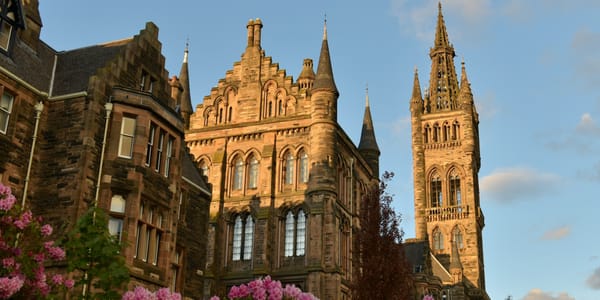
Glasgow's Southside galleries operate in converted warehouses and tenement flats beyond the city center tourist circuit. Artist-run spaces worth the journey.
Art
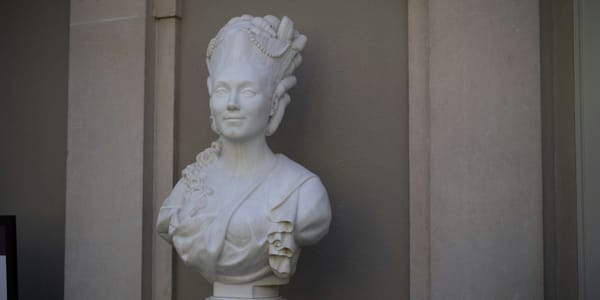
Why marble carving requires understanding crystal structure, grain orientation, and cleavage planes. The geology and materials science behind sculptural technique.
Art
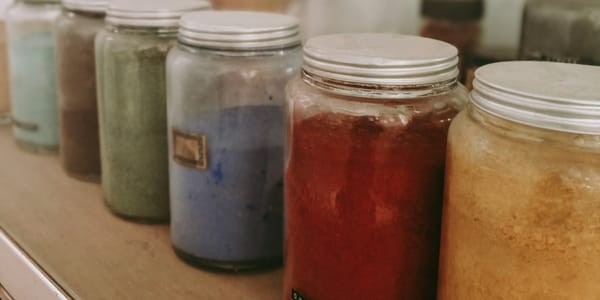
How geological processes created the pigments that colored art history. From lapis lazuli mines in Afghanistan to ochre deposits shaping cave paintings.
Art
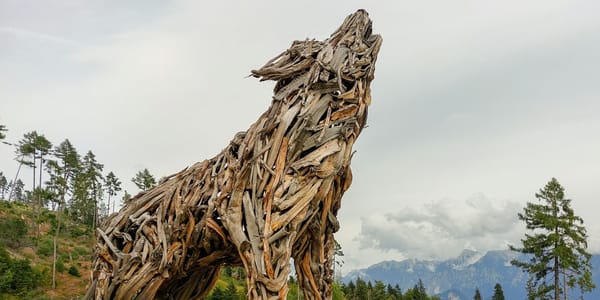
Why environmental art frequently misrepresents ecology, climate science, and biological systems. When good artistic intentions meet bad scientific understanding.
Art
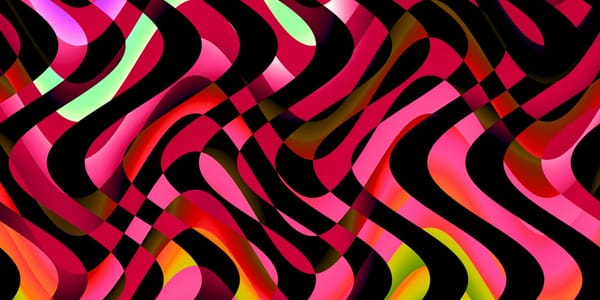
How optical artists use interference patterns from wave physics to create visual effects. The science behind moiré patterns, diffraction, and perceptual illusions.
Art
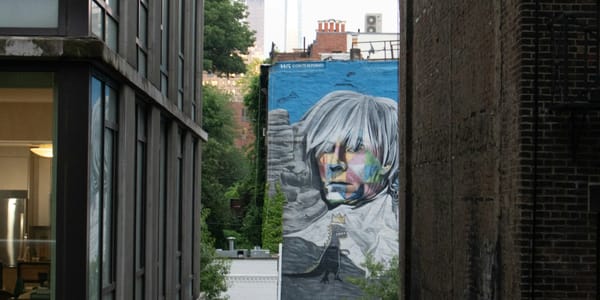
Warhol's banana for Velvet Underground changed album covers from commercial packaging to fine art. How pop art infiltrated music industry design forever.
Art
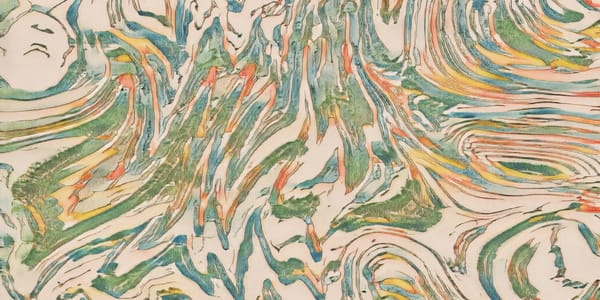
Kandinsky's synesthesia made him see colors when hearing music. How this neurological condition shaped the first abstract paintings and color-music theories.
Art
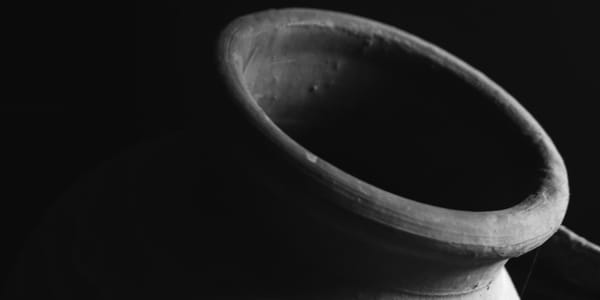
Pueblo pottery techniques achieved results European ceramics couldn't match for centuries. Burnished surfaces, slip painting, and firing without kilns.
Art
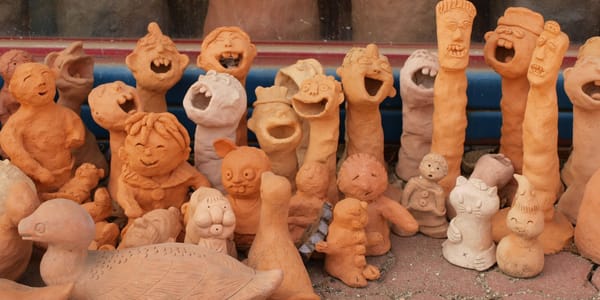
Why large ceramic sculptures warp and crack during drying. How clay body composition, particle size, and grog content determine whether ambitious forms survive.
Art
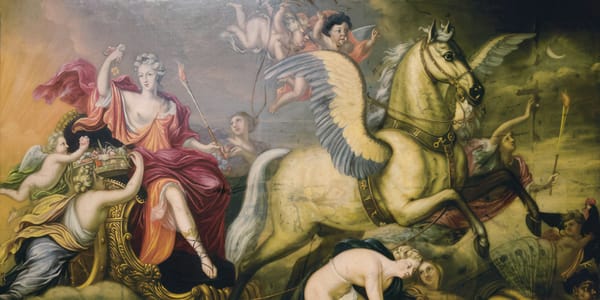
Religious painting color symbolism changed dramatically across centuries. Blue shifted from modest to divine, gold lost dominance, and meaning evolved with theology.
Art
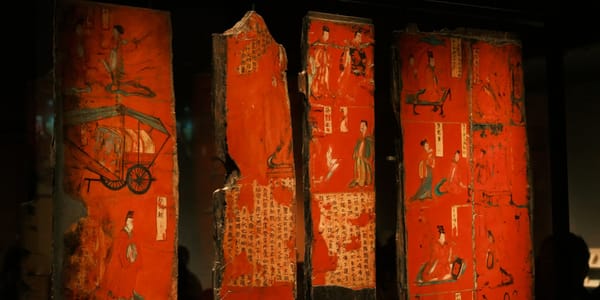
Red means aggression in Western painting but celebration in Chinese art. How cultural context changes color symbolism and what artists need to understand.