Using Explosives, Fire, and Destruction to Create Art
Gunpowder explosions, torch scorching, acid corrosion, and deliberate destruction create art through violent transformation. Fire and explosives require serious safety protocols but enable effects construction can't achieve.
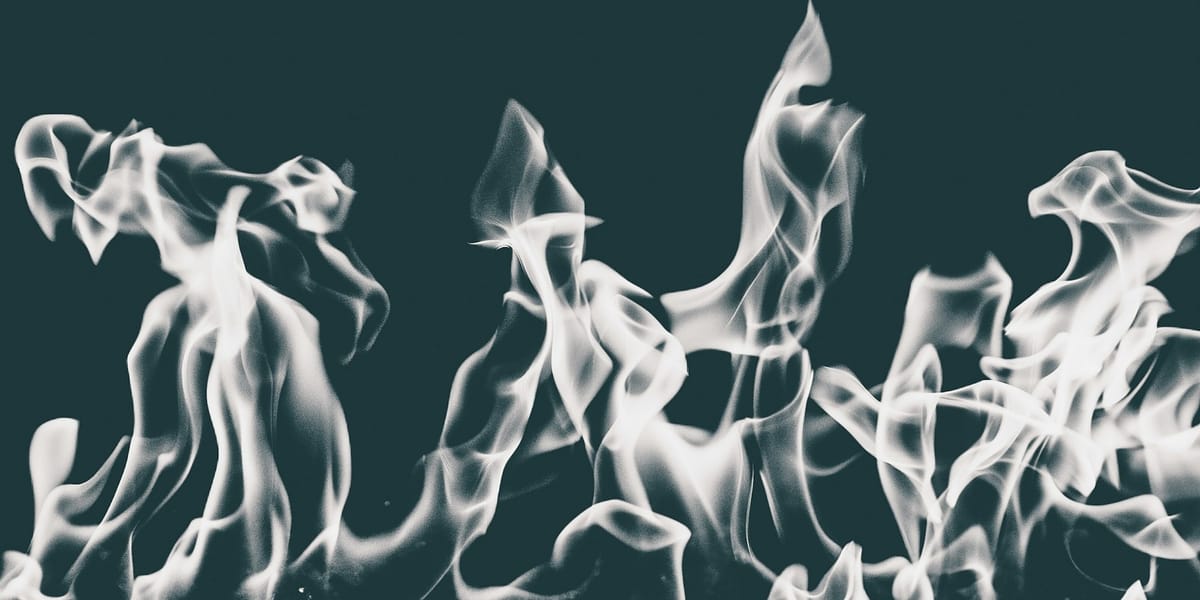
Most art-making is additive or subtractive through controlled processes—applying paint, carving stone, welding metal. But some artists use explosive force, uncontrolled fire, deliberate destruction, and violent transformation to create work. Cai Guo-Qiang detonates gunpowder on paper creating drawings through explosive force and burn patterns. Yves Klein used industrial blowtorches to scorch canvases. John Baldessari burned all his paintings made between 1953 and 1966, baking the ashes into cookies as artwork.
Working with destructive processes means accepting unpredictability, managing serious safety risks, navigating legal restrictions, and fundamentally rethinking what "making" means when the process involves destroying, burning, or exploding materials. The violence and danger aren't incidental—they're often central to the work's meaning, addressing war, entropy, transformation, or the limits of control.
Understanding how to work with fire and explosives as artistic materials requires technical knowledge about combustion, blast forces, and safety protocols. But it also requires conceptual clarity about why destruction serves the work better than construction, what the violence adds that gentle processes can't provide, and whether the spectacle and danger are serving genuine artistic purposes or just creating sensational effects.
Gunpowder and Controlled Explosions
Cai Guo-Qiang is the contemporary master of gunpowder as artistic medium, creating both intimate drawings and massive outdoor explosion events.
His gunpowder drawings use carefully placed trails of gunpowder on paper, canvas, or other surfaces that are then ignited. The explosion travels along the gunpowder creating burn marks, scorch patterns, and explosive dispersal of pigment and ash.
The process requires precise setup. Gunpowder trails are laid out creating the desired pattern. The paper or canvas is often sandwiched between boards with weights to prevent it from being blown away by the blast. Ignition happens quickly—the entire drawing might be created in seconds of burning and explosion.
Control comes from gunpowder placement and density. Thick trails burn more intensely creating darker marks. Thin trails create lighter burns. Multiple layers of stencils and careful gunpowder application allow relatively precise image creation despite the violent process.
But unpredictability remains essential. The exact burn patterns, the dispersal of ash, the explosive spread all contain chance elements. Cai embraces this unpredictability as part of the medium's character. Perfect control would eliminate what makes gunpowder distinctive.
Different types of gunpowder create different effects. Black powder (traditional gunpowder) burns relatively slowly creating sustained burn marks. Smokeless powder burns faster and hotter creating different patterns. Flash powder (if it were ever used, which would be extremely dangerous) would create instantaneous explosion rather than traveling burn.
The color comes from additives mixed with gunpowder. Different metal salts create different colored flames and smoke when burned—strontium for red, barium for green, copper for blue, sodium for yellow. These pyrotechnic colorants function like pigments but through combustion rather than reflection.
Safety requirements are substantial. Gunpowder work happens outdoors or in properly ventilated spaces with fire suppression equipment ready. Anyone present needs protection from flash burns and hearing protection from the blast. The quantities used, while small, are regulated explosives requiring permits.
Documentation becomes critical because the explosion event itself is brief. Video captures the process but photographs of the final scorched surface become the permanent artwork. The drawing exists after the explosion but the making was explosive.
Cai's large-scale outdoor explosion events use aerial shells, ground displays, and massive amounts of pyrotechnics creating temporary spectacles. These "explosion events" are performance, environmental art, and social gathering simultaneously.
These outdoor works require professional pyrotechnic crews, extensive permits, safety perimeters, and coordination with fire and safety officials. They're not DIY projects but major productions requiring significant resources and expertise.
The political and symbolic dimensions of using explosives and gunpowder are unavoidable. Gunpowder's association with warfare, violence, Chinese invention, fireworks celebration, all load the material with meaning beyond its visual effects.
Cai, born in China during Cultural Revolution and having lived through its violence, uses gunpowder partly for its connection to Chinese cultural history (gunpowder was invented in China) and partly for its associations with both celebration and destruction.
Fire Painting and Scorching
Using fire directly on surfaces to create marks, whether through controlled burning or torch scorching, creates effects impossible with conventional painting.
Yves Klein's fire paintings from the early 1960s used industrial blowtorches and flames to scorch surfaces. He'd spray water on canvas or cardboard, then apply flame creating burn patterns where the material dried versus where water protected it.
The technique produced dramatic burn marks with gradations from deep char to lighter scorch. The unpredictability of flame and the dance between protection and burning created organic, uncontrolled patterns.
Klein sometimes placed models or objects in front of flames creating shadows where flame couldn't reach while surrounding areas burned. This created figurative burn shadows—anthropometries made with fire rather than paint.
The danger and spectacle of fire as medium appealed to Klein's interest in immaterial art and dramatic process. The violence and risk elevated painting beyond careful brush application.
Contemporary artists continuing fire painting include Steven Spazuk who uses candle soot to create detailed drawings, controlling smoke deposition by moving surfaces through flame creating gradual tonal marks.
Controlled charring using torches or heat guns creates gradations from light scorch to deep char. Wood responds particularly well showing burn progression through color shifts from tan to brown to black.
Japanese shou sugi ban (yakisugi) technique traditionally uses controlled charring to preserve wood by carbonizing surface. Contemporary artists adapt this for decorative and textural effects creating deeply charred surfaces.
Encaustic torch work uses flame to manipulate wax, both melting it for blending and flash-heating it creating textural effects. The flame becomes sculpting tool shaping molten material through heat.
Smoke deposits from candles, torches, or oil lamps create sooty marks. Controlling smoke flow through stencils or by moving surfaces creates images from accumulated carbon particles. This subtle technique requires patience but avoids open flame's drama.
Safety with fire painting requires appropriate extinguishing equipment, proper ventilation for fumes, fire-resistant surroundings, and understanding of materials' combustibility. Canvas, wood, and paper all burn differently requiring adapted approaches.
The smell of burning materials—charred wood, scorched canvas, smoke—becomes sensory element. Fire painting isn't just visual; it's olfactory. The lingering smell affects how work is experienced and whether venues will allow the process.
Toxic fumes from burning synthetic materials, plastics, or treated surfaces create serious health hazards. Understanding what releases toxic smoke and avoiding those materials prevents poisoning. Natural materials like wood, paper, and untreated canvas are safer.
The permanence of burn marks differs from paint. Char is actual material transformation, carbon left from combustion. It can't be fully removed or reversed. This permanence makes fire marks different from applied color.
Burning Entire Works
Some artists create work specifically to burn it, making the destruction itself the artwork or creating permanent records of temporary burning.
John Baldessari's Cremation Project (1970) burned all paintings he made between 1953 and 1966. He documented the burning, collected ashes, and baked them into cookies. The destruction of failed early work became productive new work.
This wasn't vandalism or therapeutic purging alone. It was conceptual statement about artistic development, about literally consuming the past, about transformation through destruction. The cookies made from painting ashes made the destruction tangible and slightly grotesque.
The Cremation Project certificate documented which paintings went into which cookies, treating the ashes as painting material in new form. The destruction didn't eliminate the work—it transformed it.
Christian Boltanski's installations sometimes include burning elements or reference burning and destruction. His work addresses memory, loss, Holocaust, making burning's associations with destruction and cremation explicit content.
Burning as performance or ritual creates powerful viewer experience. Watching something constructed burn creates tension, catharsis, sometimes discomfort. The destruction can't be undone. The witnessing makes viewers complicit.
Wicker Man-style large sculptural forms built to burn combine construction and destruction in single event. The building is artwork but so is the burning. Neither alone constitutes the complete work.
Fire festivals and Burning Man culture use large-scale burning of constructed sculptures as climactic events. The temporality—build for weeks, burn in minutes—creates intensity and communal experience.
Safety at large burn events requires serious planning. Fire perimeters, wind conditions, proximity to structures, fire suppression capabilities, all need professional attention. Amateur large burns are extremely dangerous.
Documentation of burning becomes the permanent record. Photography and video capture the flames, the structure's collapse, the transformation from object to ash. The documentation preserves what the burning destroyed.
The environmental impact of burning—air pollution, carbon release, toxic fumes from certain materials—creates ethical questions. Burning large amounts of material for artistic effect has environmental cost that might conflict with environmental concerns.
Acid, Corrosives, and Chemical Destruction
Chemical processes that destroy, corrode, or transform materials create effects through controlled degradation rather than fire or explosion.
Acid etching on metal uses corrosive acid eating through unprotected areas creating recessed lines or textures. Printmaking uses this traditionally but artists apply it to sculptural metal surfaces creating corroded patterns.
Different acids affect different metals. Nitric acid etches copper and brass. Ferric chloride etches steel and iron. Hydrochloric acid attacks many metals. Understanding which acid affects which material prevents using ineffective combinations.
The etching rate depends on acid concentration, temperature, and time. Stronger acid etches faster but less controllably. Dilute acid etches slower allowing more control. The balance between speed and control is practical decision.
Resists—materials that protect surfaces from acid—determine what gets etched. Traditional etching uses wax or asphaltum. Contemporary artists use tape, paint, vinyl, whatever prevents acid contact. The resist pattern becomes the image.
Safety with acids requires proper protective equipment—gloves, goggles, ventilation, acid-resistant containers, neutralizing agents. Acids are extremely dangerous. Splashes cause severe burns. Fumes damage lungs. Proper safety protocols are non-negotiable.
Bleach on fabric or paper removes color through oxidation. This subtractive process creates images by removing dye rather than adding pigment. The bleach stops in unpredictable ways creating organic, spreading patterns.
Different fabrics and dyes respond differently to bleach. Some colors remove cleanly. Others shift through intermediate tones. Testing fabrics beforehand reveals their bleach response.
Controlled bleach application through spray, brush, or immersion creates different effects. Spray bleaching creates spattered gradations. Brush application creates controlled marks. Full immersion creates overall lightening.
The bleach continues working until neutralized or fully evaporated. This ongoing action means the image can shift after initial application. Stopping the bleach at the right moment through rinsing or neutralizing is crucial.
Rust and oxidation, while slower than acid or bleach, corrode metal creating progressive transformation. Artists can accelerate rusting through saltwater, acid, or other corrosives creating controlled deterioration.
The rust colors—oranges, reds, browns—come from iron oxide formation. Different conditions create different rust colors. Marine environments create different rust than dry environments.
Rust as intentional surface treatment requires accepting ongoing change. The rust continues developing over time. What starts as light surface oxidation becomes heavy, flaking corrosion eventually.
Some artists seal rust to prevent further oxidation. Others embrace ongoing rust as time-based element. The choice depends on whether progressive change serves the concept or undermines it.
Physical Destruction and Breaking
Violent physical destruction—smashing, crushing, exploding, tearing—creates forms through destructive force rather than careful shaping.
Dropping, throwing, or deliberately breaking ceramic or glass creates fragments, shards, and chance-determined forms. The destruction is process generating raw material for reassembly or direct presentation.
Ai Weiwei's dropping of Han Dynasty urn, photographed in sequence, used irreversible destruction of valuable artifact as political and cultural statement. The breaking was performance but also actual destruction of 2000-year-old object.
The controversy around destroying culturally significant objects versus making powerful statements about value, history, and cultural authority is real. Some viewed it as justified political art. Others saw it as vandalism and cultural destruction.
Smashing objects and reassembling fragments creates work acknowledging its violent creation. The visible breaks, the glued seams, all show the destruction that generated the parts.
Cornelia Parker's Cold Dark Matter: An Exploded View suspended fragments from shed that had been blown up. The explosion became three-dimensional drawing in space, frozen mid-blast.
The suspension recreated explosion moment. Fragments hung in positions suggesting outward force, creating sculptural representation of violent event. The destruction generated the form.
Crushing—using industrial presses or car compactors to flatten objects—transforms three-dimensional forms into flattened, abstracted versions. John Chamberlain's crushed car sculptures use automobile bodies compressed into abstract forms.
The crushing reveals internal structure, creates unexpected folds and creases, exposes layers and materials that were hidden. The violence transforms objects beyond recognition while retaining hints of original identity.
Tearing, ripping, or shredding paper, fabric, or thin materials creates edges and forms impossible through cutting. The torn edge has character that clean cuts don't offer.
The violence of tearing versus the control of cutting creates different conceptual and aesthetic effects. Tearing suggests aggression or spontaneity. Cutting suggests deliberation and control.
Heavy machinery—bulldozers, excavators, wrecking balls—enables destruction at architectural scale. Gordon Matta-Clark's building cuts used saws and demolition to remove sections of condemned buildings creating sculptural voids.
The scale of architectural destruction requires serious resources and permits. Most artists can't access buildings to destroy. Matta-Clark worked with condemned buildings scheduled for demolition anyway.
Shooting and Ballistic Impact
Using firearms to create marks or destroy materials adds ballistic violence to artistic process.
Niki de Saint Phalle's shooting paintings invited viewers to shoot at assemblages of paint-filled containers attached to surfaces. Shooting burst the containers, splattering paint creating action-painting through gunfire.
The participatory violence—viewers pulling triggers, the shock and noise of gunfire, the paint explosion—created spectacle and controversy. The work was both painting process and performance of violence.
The political dimensions of gun violence, especially in American context, make shooting artworks inherently political whether intended or not. Guns carry enormous symbolic and literal weight.
Bullet impact creates specific damage—entry holes, exit holes, cracking, penetration depth depending on material and ammunition. These marks are recognizable as ballistic damage carrying all gun violence associations.
Using firearms safely requires proper range facilities, safety protocols, protective equipment, and following all firearms regulations. Illegal firearm use or unsafe practices can result in serious legal consequences beyond the obvious safety risks.
Chris Burden's Shoot (1971) had an assistant shoot him in the arm with .22 rifle in gallery. This performance tested limits of art, violence, danger, and viewer complicity. The actual wounding was the artwork.
Burden's work raised fundamental questions about whether artists can ethically create work involving real violence and injury, whether audiences should witness this, what distinguishes artistic violence from actual violence.
Contemporary artists using shooting generally shoot at objects rather than people, but the symbolic violence and gun associations remain. The political climate around guns affects how this work reads.
Archery, while less politically loaded than firearms, creates similar impact marks. Arrows penetrating surfaces create visible trajectories and entry points marking the violent action.
The ritual and historical associations of archery—hunting, warfare, sport—differ from firearms but still involve projectile violence. The distinction might matter depending on conceptual framework.
Explosion Events and Pyrotechnics
Large-scale explosion events using professional pyrotechnics create temporary spectacular works.
Cai Guo-Qiang's Sky Ladder (2015) used fireworks suspended from balloon creating 1600-foot ladder of fire ascending into night sky. The temporary spectacle lasted minutes but created powerful visual and symbolic effect.
Professional pyrotechnics require licensed pyrotechnicians, permits, safety clearances, insurance, and significant budgets. These aren't accessible to most artists but create possibilities for those who can secure resources.
The temporality—months or years of planning for minutes of actuality—inverts normal art production. The event is brief but preparation is extensive. The ephemeral result requires disproportionate investment.
Documentation through photography and video captures explosion events for audiences who couldn't attend and preserves the work after it's disappeared. The documentation often reaches far more viewers than the live event.
The spectacular nature of explosions creates tension between artistic intent and entertainment spectacle. When does explosion event become just fireworks show? What distinguishes artistic use from pure spectacle?
The intention, the conceptual framework, the cultural and political meanings differentiate art explosions from pure pyrotechnic display. But the line can be thin and debatable.
Chinese New Year, Diwali, and other cultural traditions using explosives and fireworks create context for understanding explosion events in art. The cultural meanings of fireworks vary globally affecting how explosion art reads.
Environmental concerns about explosives—air pollution, noise pollution, debris, chemical residue—create ethical questions. Large explosions release smoke, particulates, and chemical byproducts affecting air quality and environment.
Balancing artistic impact against environmental impact is real ethical consideration. Some artists justify it as rare events with significant cultural impact. Others question whether any artistic purpose justifies the environmental cost.
Legal and Safety Realities
Working with fire, explosives, and destructive processes involves serious legal restrictions and safety requirements.
Explosives regulations at federal, state, and local levels control who can possess, transport, store, and use explosive materials. Gunpowder, even in small quantities, is regulated explosive requiring permits in many jurisdictions.
ATF (Bureau of Alcohol, Tobacco, Firearms and Explosives) in the US regulates explosives. Manufacturing, storing, or using explosives without proper licensing is federal crime with serious penalties.
Artists need to research specific regulations in their location. What's legal in one jurisdiction might be illegal in another. Ignorance isn't defense—breaking explosives laws has severe consequences.
Fire codes regulate open flames, burning materials, and fire safety in buildings. Most indoor spaces prohibit open flames or require special permits and fire watch personnel. Outdoor burning requires permits in most jurisdictions.
Galleries and museums have strict fire safety requirements. Most won't allow actual burning or explosives inside buildings regardless of artistic intent. Liability and safety concerns override artistic freedom.
Outdoor work faces different regulations—burn bans during dry seasons, air quality restrictions, proximity to structures or wildland, noise ordinances. All affect what's possible and when.
Safety equipment—fire extinguishers, protective gear, ventilation, blast shields, hearing protection—isn't optional. Proper safety measures prevent injury, death, and legal liability from accidents.
Professional consultation from pyrotechnicians, firefighters, or demolition experts prevents dangerous mistakes. Artists lacking expertise in explosives or fire should not attempt these processes alone without proper guidance.
Insurance considerations are significant. Most studio insurance excludes explosives and deliberate fires. Special coverage might be available but at high cost. Uninsured accidents create catastrophic financial liability.
Liability for injuries, property damage, or fires spreading beyond intended area is serious legal risk. Artists are responsible for consequences of destructive processes they initiate.
The reality is that most destructive processes are impractical for individual artists without significant resources, professional support, and official permissions. The legal and safety barriers are real and substantial.
Why Destruction Rather Than Construction
Understanding when destructive processes serve artistic purposes versus when they're just sensational helps distinguish serious work from stunts.
Entropy and the second law of thermodynamics state that systems tend toward disorder. Destruction acknowledges this natural tendency rather than fighting it through construction that temporarily opposes entropy.
Some artists see destruction as more honest than construction—acknowledging impermanence and inevitable decay rather than pretending things last forever. The destruction makes entropy visible and immediate.
Violence and destruction as cultural forces deserve artistic examination. War, demolition, catastrophe, all involve destructive forces shaping human experience. Art engaging destruction addresses this reality.
Transformation through destruction creates something new from the act of destroying something old. This isn't just nihilistic violence but generative destruction creating new forms.
Control and chaos tension in destructive processes—setting conditions but not determining exact results—appeals to artists interested in balancing intention with accident. The unpredictability is feature, not bug.
Spectacle and attention-capturing power of destruction, fire, and explosions create immediate impact. This can serve genuine purposes or can be empty sensationalism depending on conceptual grounding.
The test is whether the destruction is necessary for the concept or whether gentler processes would work. If the violence isn't essential, it's probably gratuitous.
Catharsis and psychological release through violent action might serve personal purposes but doesn't automatically create significant artwork. Destruction as therapy differs from destruction as rigorous artistic practice.
Political dimensions of destruction—smashing symbols of authority, burning representations of oppression, exploding monuments—can create powerful statements but risk being reductive or merely inflammatory.
The question is always: does this destruction create meaning, revelation, or transformation that justifies its violence and risk? If yes, it's potentially legitimate artistic practice. If no, it's probably just destruction masquerading as art.
Practical Approaches for Working With Fire
For artists interested in using fire practically while managing safety and legal concerns, certain approaches are more accessible than others.
Small-scale controlled burning using candles, torches, or small fires in metal containers allows experimentation without major hazards or legal complications. Testing fire effects on materials reveals possibilities without requiring permits.
Studio work with proper ventilation and fire extinguishers enables careful experimentation. Understanding how different materials burn, what colors and patterns they create, what smells they produce, all through small-scale testing.
Outdoor work on private property with proper safety measures—cleared area, water source, fire extinguisher, attendance—allows more ambitious burning within legal parameters of recreational fire.
Checking local regulations before burning anything prevents legal problems. Burn bans, air quality restrictions, permit requirements all vary by location and season. Compliance is essential.
Collaboration with professionals—pyrotechnicians for explosives, fire performers for controlled fire, demolition experts for physical destruction—provides expertise and legitimacy that solo attempts lack.
Professional collaboration costs money but provides safety, legal compliance, and capabilities beyond amateur level. The investment enables work otherwise impossible.
Documentation as primary artwork, where the destructive process is photographed or videoed with the documentation becoming the permanent piece, makes ephemeral destructive acts artistically sustainable.
The destruction happens once but documentation circulates indefinitely. This approach acknowledges destruction's temporality while creating permanent artwork.
Starting with less dangerous destructive processes—tearing, crushing, breaking—before progressing to fire or explosives builds understanding of working with destruction without immediate serious risks.
The principles of embracing unpredictability, accepting results of violent processes, thinking about destruction conceptually, all can be developed through safer methods before attempting genuinely dangerous ones.
Historical and Contemporary Context
Understanding how destruction and fire have been used in art history provides context for contemporary practice.
Dadaist and Futurist destruction of traditional art forms in early 20th century used symbolic destruction challenging academic conventions. The violence was conceptual and political.
Gustav Metzger's auto-destructive art in 1960s created works designed to destroy themselves through acid, heat, or other processes. The self-destruction was content addressing nuclear threat and cultural self-destruction.
Jean Tinguely's self-destroying machines, particularly Homage to New York (1960) that destroyed itself in Museum of Modern Art's sculpture garden, used mechanical self-destruction as performance.
The machine ran for 27 minutes attempting to destroy itself before firefighters intervened. The partial success/failure became part of the work's meaning about technology and control.
Destruction art festivals in 1960s brought together artists working with destructive processes. These events legitimized destruction as artistic approach and created community around these practices.
Contemporary artists continue these traditions while adding new technologies and concerns. Digital destruction, video game demolition, virtual explosions, all extend destructive practices into new media.
The persistence of destructive practices across art history suggests they address fundamental interests—entropy, violence, transformation, control, spectacular effect—that remain relevant.
But each era's destructive art reflects its specific anxieties and technologies. 1960s destruction art addressed nuclear threat and technological anxiety. Contemporary work addresses climate catastrophe, political violence, and systemic collapse.
Working with explosives, fire, and destructive processes as art-making requires understanding both technical realities and conceptual purposes. The danger and legal restrictions are real barriers preventing casual experimentation. But for artists whose concepts genuinely require destruction, violence, or transformation through fire and explosive force, these processes offer expressive possibilities construction alone can't provide. The key is ensuring the destruction serves genuine artistic purposes rather than just creating sensational spectacle, and managing the serious safety and legal realities responsibly. Destruction can be generative, transformative, and meaningful—but it can also just be dangerous and nihilistic. The difference is conceptual rigor and intentional purpose distinguishing art from vandalism.