Art
Why Titanium White Behaves Differently Than Lead White
The chemistry behind titanium white vs lead white in oil painting. Why particle size, opacity mechanisms, and drying chemistry create fundamentally different paint behavior.

Art
The chemistry behind titanium white vs lead white in oil painting. Why particle size, opacity mechanisms, and drying chemistry create fundamentally different paint behavior.
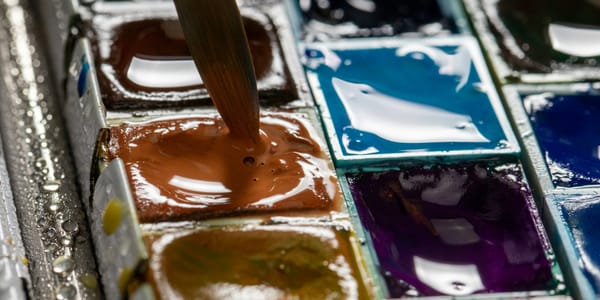
Art
The chemistry behind gouache's water solubility versus acrylic's permanent film. Why gum arabic stays reactivatable while acrylic polymers lock permanently.
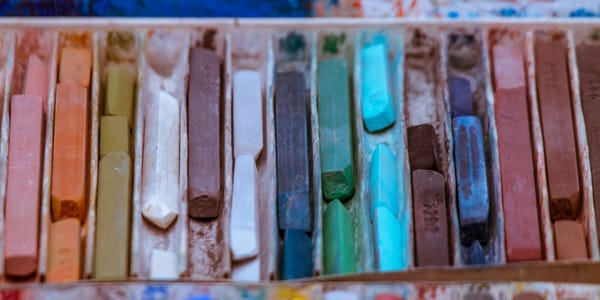
Art
Why some pastels smudge more than others through pigment-to-binder ratios, particle hardness, and paper tooth interaction. The materials science behind pastel adhesion.
Art
Why paintings look muddy and how to fix color mixing problems. The science of chromatic neutralization, pigment transparency, and value control in mixing.
Art
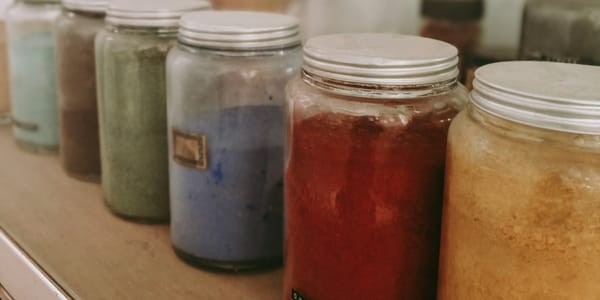
How geological processes created the pigments that colored art history. From lapis lazuli mines in Afghanistan to ochre deposits shaping cave paintings.
Art
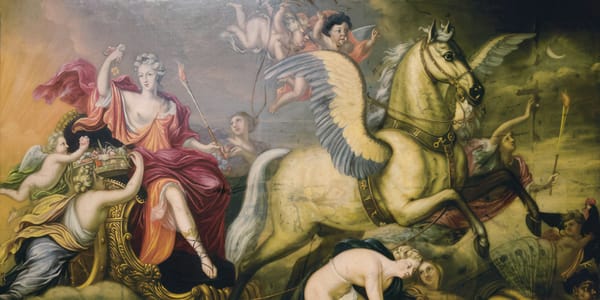
Religious painting color symbolism changed dramatically across centuries. Blue shifted from modest to divine, gold lost dominance, and meaning evolved with theology.
Art
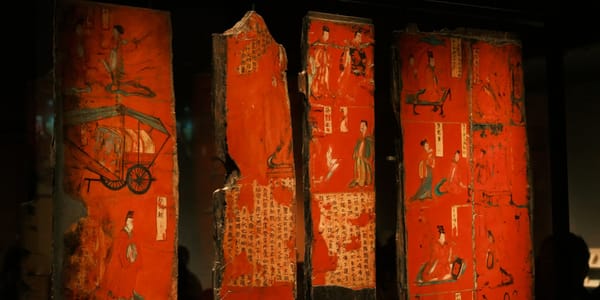
Red means aggression in Western painting but celebration in Chinese art. How cultural context changes color symbolism and what artists need to understand.
Palette
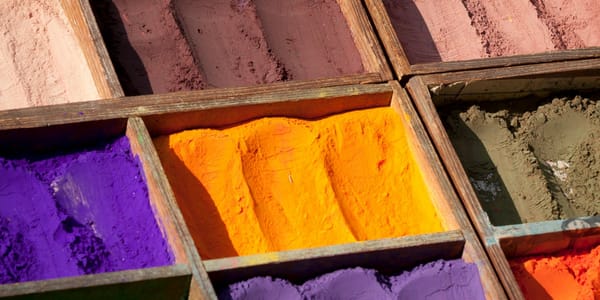
The 19th-century synthesis of artificial pigments collapsed prices by 90-99% and eliminated scarcity that had shaped painting for millennia. How cheap color enabled new art movements, destroyed traditional dye industries, and changed what pigments could mean beyond their visual properties.
Palette
Renaissance contracts reveal ultramarine cost more than gold per weight. Historical account books, guild records, and artist negotiations show how material economics shaped what got painted and where expensive colors could appear.
Palette
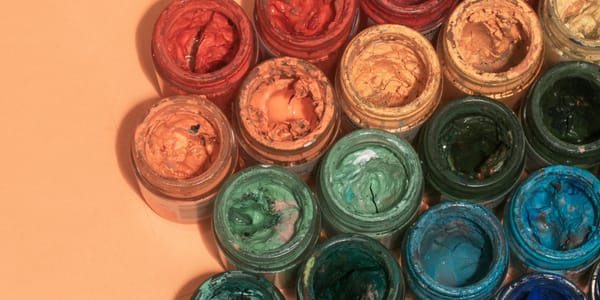
Discover why Tyrian purple cost more than gold, ultramarine bankrupted painters, and arsenic greens killed their users. The brutal economics behind history's most expensive colors reveal how rarity, empire, and desire shaped what artists could create.
Palette
The same pigment appears dramatically different depending on surroundings and lighting. Understanding color constancy transforms frustration into technique.
Palette
An 18-year-old's failed chemistry experiment in 1856 accidentally created the first synthetic dye. Mauve didn't just add a color; it revolutionized art materials forever.