
The archive
Journal
Everything published on materials, colour, technique, art history, exhibitions, and conservation — newest first.
October 2026
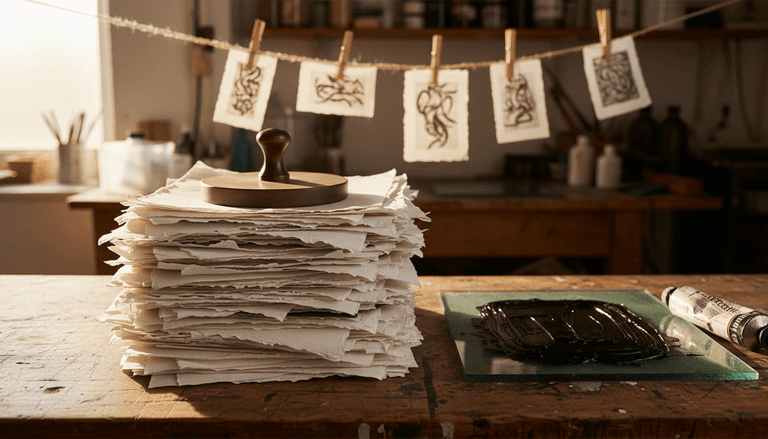
What Is an Artist's Proof?
An artist's proof used to be a working print, pulled to check the image before the edition was run. Now it is often a label — and buyers should know the difference.

Why Artists Started Signing Their Work
The first deliberate artist's signature wasn't reaching for fame — it was reaching for legal credibility. Van Eyck's most famous inscription reads less like a credit line and more like a witness's oath.
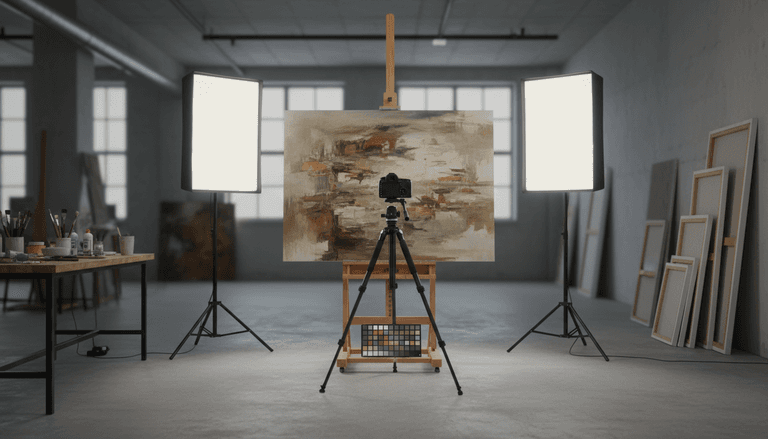
How to Photograph Your Own Artwork
You do not need a studio to document your work well. Even light, a simple setup, and a colour reference will produce photographs good enough to sell from.

How to Write an Artist Bio vs. an Artist Statement
Bios and statements get mixed up constantly. Learn the different jobs they do, the lengths each needs, and how to write both without art-speak.
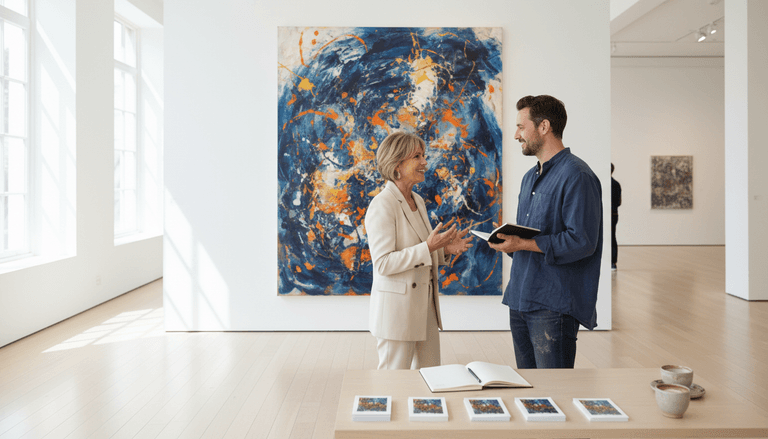
How to Approach a Gallery Without a Cold Pitch
Cold-pitching galleries rarely works. What works is being visible before you ask — through open calls, studio visits, and relationships built over time.
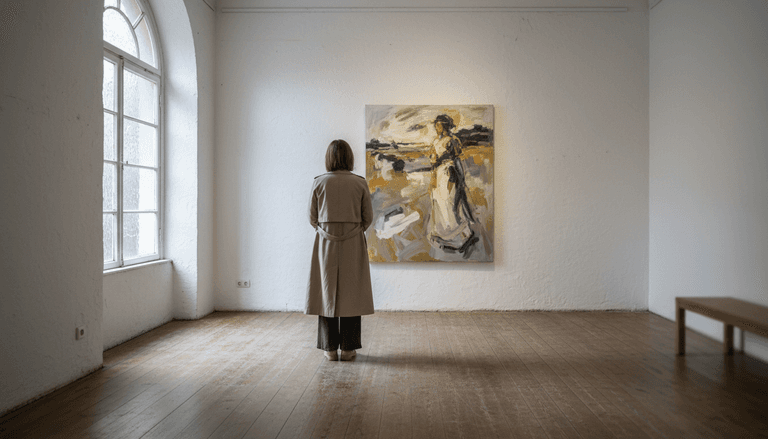
Why Small Galleries Matter More Than Museums
Museums confirm art history; small galleries write it. The work that museums will show in twenty years is usually in a small gallery, or an artist's flat, today.
Advertisement
More from the journal
- Why Your Paintings Look Muddy and How to Fix Color Mixing ProblemsWhy paintings look muddy and how to fix color mixing problems. The science of chromatic neutralization, pigment transparency, and value control in mixing.
- How Pointillism Exploits Optical Mixing vs Pigment MixingThe science behind pointillism's optical color mixing. Why Seurat's dots work at distance but fail up close, and what retinal mixing actually achieves versus theory.
- Why Titanium White Behaves Differently Than Lead WhiteThe chemistry behind titanium white vs lead white in oil painting. Why particle size, opacity mechanisms, and drying chemistry create fundamentally different paint behavior.
May 2026
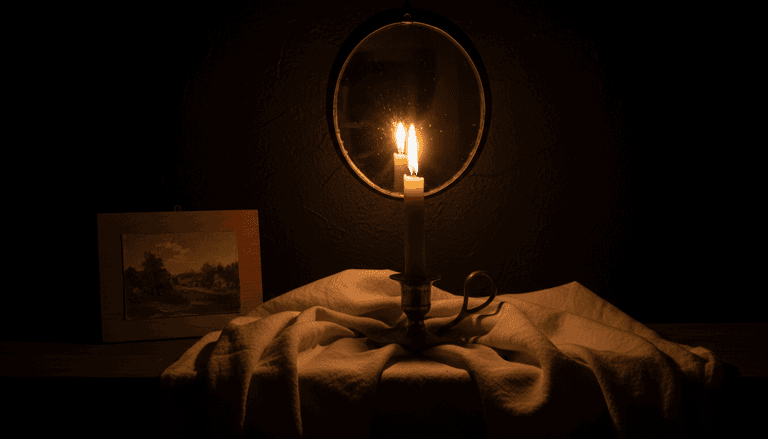
The Luminous Illusion: Physics of Light & Shadow in Renaissance Art
Chiaroscuro, sfumato, and linear perspective were optics reverse-engineered by hand. How Brunelleschi, Alberti, Masaccio, and Leonardo turned the physics of light and shadow into painted realism.
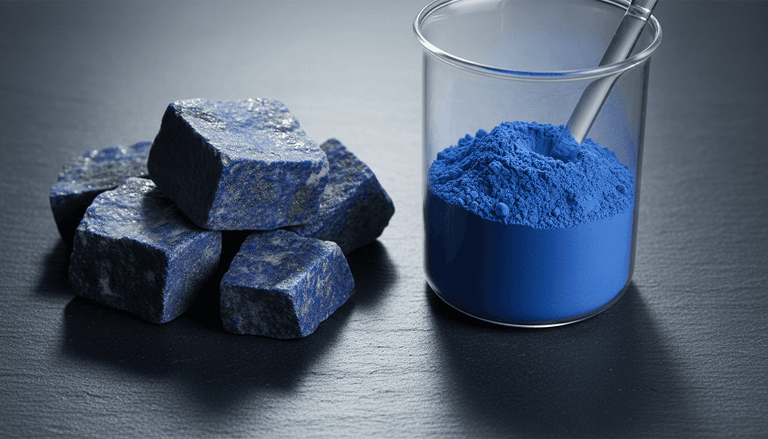
The Chemical Symphony of Ultramarine: From Lapis Lazuli to Modern Art
For centuries, no color captivated artists and patrons quite like ultramarine — ground from Afghan lapis lazuli long before Guimet and Gmelin synthesized it in the late 1820s. The chemistry behind that blue, and how it behaves in oil, watercolor, acrylic, and fresco.
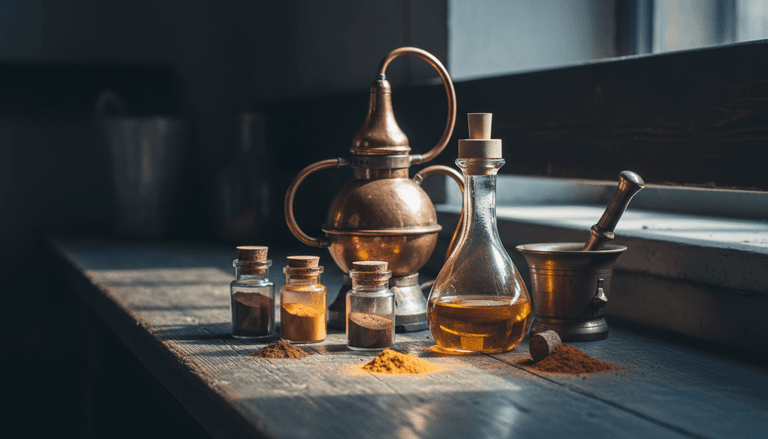
The Alchemical Canvas: Unveiling the Deep Chemistry of Oil Paints
Oil paint doesn't dry by evaporating — it oxidizes and cross-links into a film. How drying oils, reactive pigments like lead white, cobalt and manganese driers, and metal soaps decide how a painting ages.
April 2026
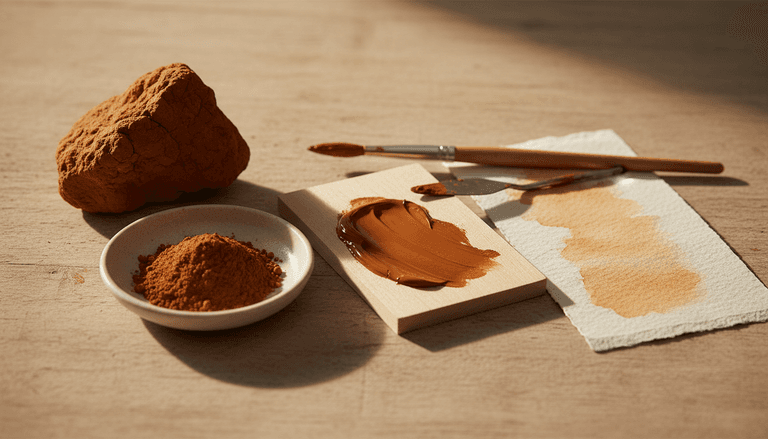
February 2026
Why Titanium White Behaves Differently Than Lead White
The chemistry behind titanium white vs lead white in oil painting. Why particle size, opacity mechanisms, and drying chemistry create fundamentally different paint behavior.
Why Charcoal Smudges Differently on Various Paper Surfaces
The physics of charcoal adhesion to paper. How fiber structure, tooth, and surface energy determine smudging, and why hot press behaves completely differently than cold press.
Advertisement
More from the journal
- Why Your Paintings Look Muddy and How to Fix Color Mixing ProblemsWhy paintings look muddy and how to fix color mixing problems. The science of chromatic neutralization, pigment transparency, and value control in mixing.
- How Pointillism Exploits Optical Mixing vs Pigment MixingThe science behind pointillism's optical color mixing. Why Seurat's dots work at distance but fail up close, and what retinal mixing actually achieves versus theory.
- Why Titanium White Behaves Differently Than Lead WhiteThe chemistry behind titanium white vs lead white in oil painting. Why particle size, opacity mechanisms, and drying chemistry create fundamentally different paint behavior.