
The archive
Journal
Everything published on materials, colour, technique, art history, exhibitions, and conservation — newest first.
January 2026
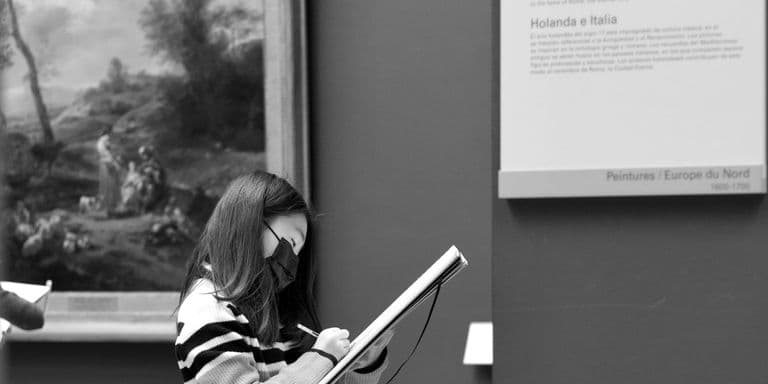
Research Methods for Artists Who Want More Than Visual Inspiration
Pinterest gives you aesthetics but not ideas. Real artistic research means reading outside art, testing materials systematically, visiting archives, conducting interviews, and building knowledge that transforms your work from attractive to substantive.
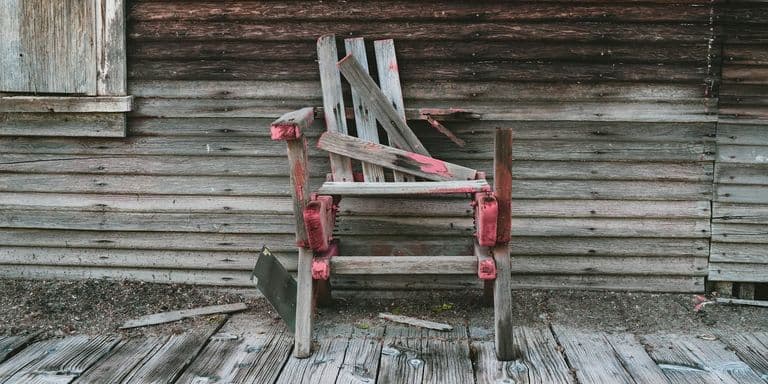
Found Objects Do Things That New Materials Can't
Rusted gears and broken furniture carry histories that new materials can't fake. Found objects bring embedded meaning, authentic wear, and cultural weight to sculpture, but only when you understand what they actually do beyond being free material.
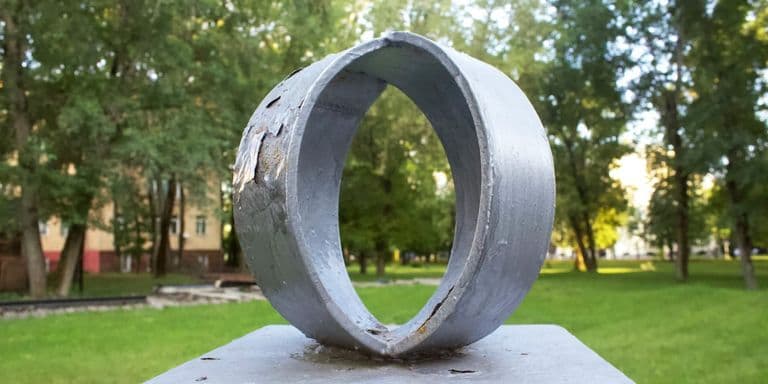
What Actually Survives Outside: Material Realities of Outdoor Sculpture
Rain, sun, freezing, and vandalism destroy outdoor sculpture constantly. Learn which materials actually survive, how weather degrades everything, what protective coatings do and don't prevent, and why bronze still dominates public art.
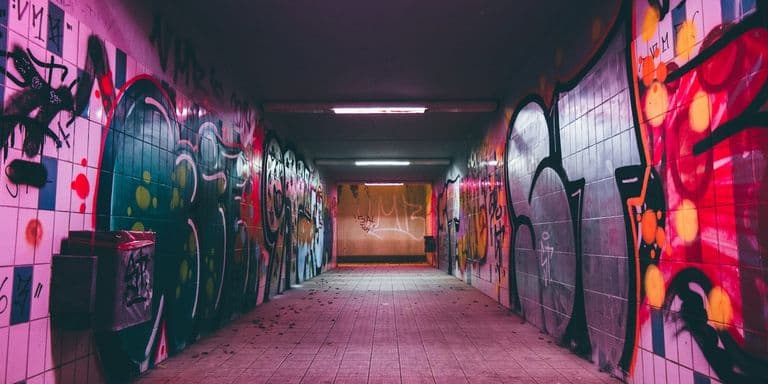
Street Art's Awkward Journey From Illegal Walls to White Cube Galleries
Street art moved from illegal walls to museum exhibitions and million-dollar auctions. Learn what's lost when transgressive public work becomes gallery commodity, how gentrification uses street art, and whether the practice means anything distinct anymore.
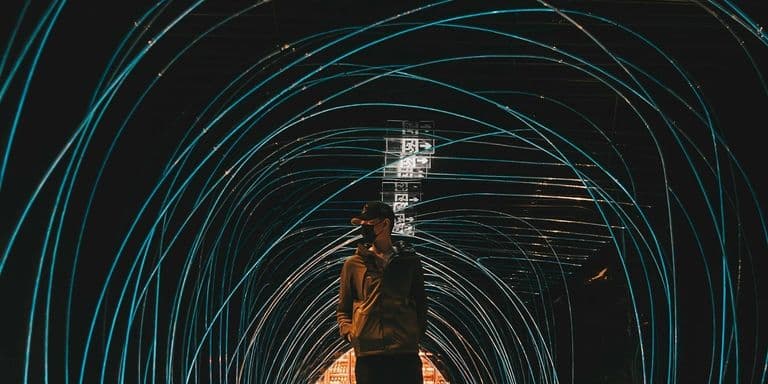
Making Sculpture From Light, Sound, and Things You Can't Touch
Light, sound, and atmosphere create sculpture without objects. Learn when immaterial elements serve concepts better than physical materials, what technical skills you need, and how to make work that exists as experience rather than thing.

Why Ceramics Struggles for Respect in Contemporary Art (And Why That's Changing)
Ceramics fights for contemporary art recognition despite persistent craft stigma. Learn why clay struggles institutionally, which artists are changing that, and how to navigate the ceramic artist's complicated professional path.
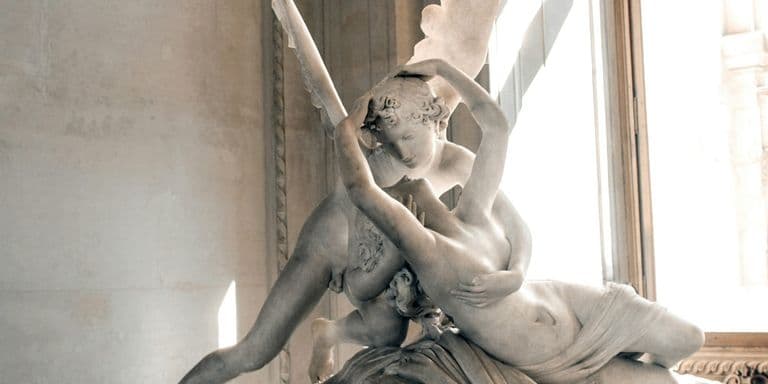
Scale and Site: Why Size Matters More Than You Think in Sculpture
Scale fundamentally changes how sculpture functions and what it means.
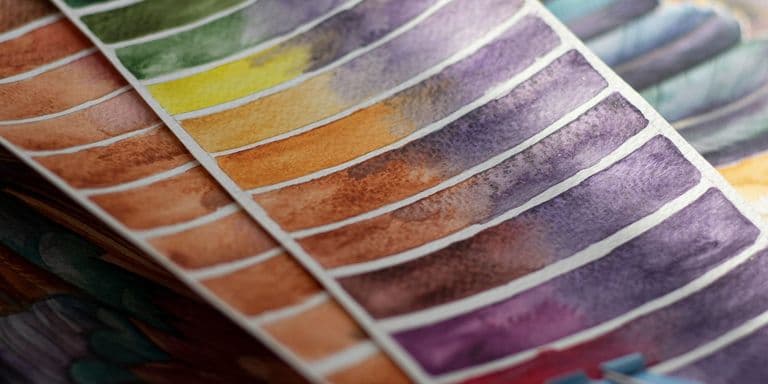
Color Bias and Mixing: Why Your Combinations Don't Match Your Expectations
Why do some color mixtures work perfectly while others turn muddy? Understanding color bias in paint transforms frustrating mixing into predictable control.
December 2025
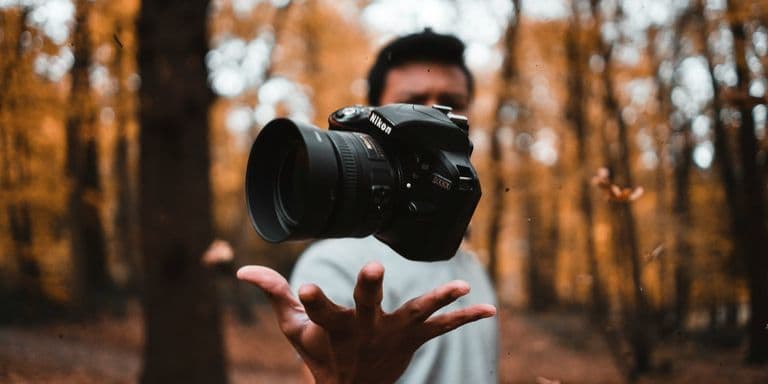
How Photography's Relationship to Reality Shapes Meaning
Photographs are physical traces of what existed, not just pictures. This indexical relationship to reality creates unique conceptual possibilities and limits that distinguish photography from every other visual medium.
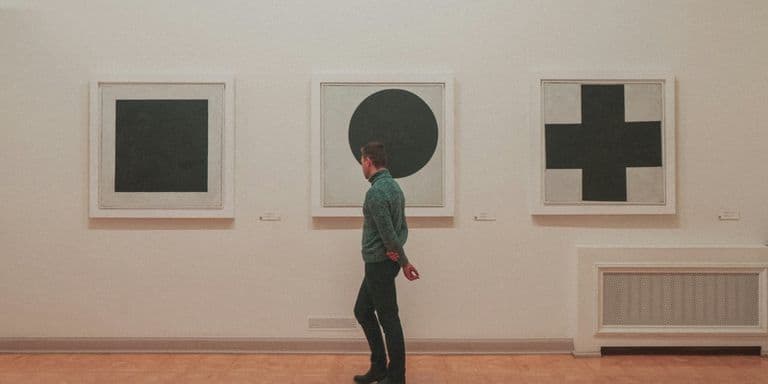
How Constraints Create Conceptual Depth in Art
Unlimited freedom paralyzes artists. Sol LeWitt's limited media, Morandi's restricted palette, and On Kawara's daily discipline reveal how material, temporal, and conceptual constraints force deeper investigation than infinite options ever could.
Developing an Art Concept Across a Body of Work
Three paintings suggest an idea. Ten begin exploration. Twenty might complete it. Learn how to sustain conceptual investigation across multiple works, when repetition serves exploration versus empty redundancy, and how to build bodies of work with genuine depth rather than just matching aesthetics.

The Difference Between Subject Matter and Concept
You paint mountains, but what are you actually exploring through them? Subject matter is what appears in your work. Concept is what you're investigating. Understanding this difference changes everything about how you develop and talk about your practice.