SoHo vs. Chelsea vs. LES: What Actually Separates NYC's Gallery Neighborhoods
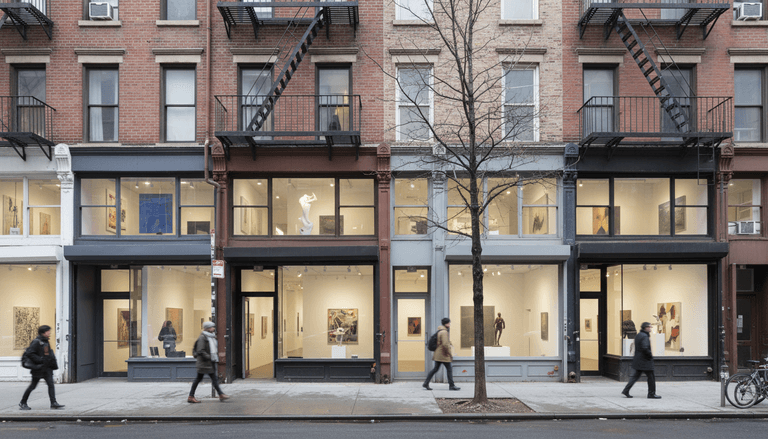
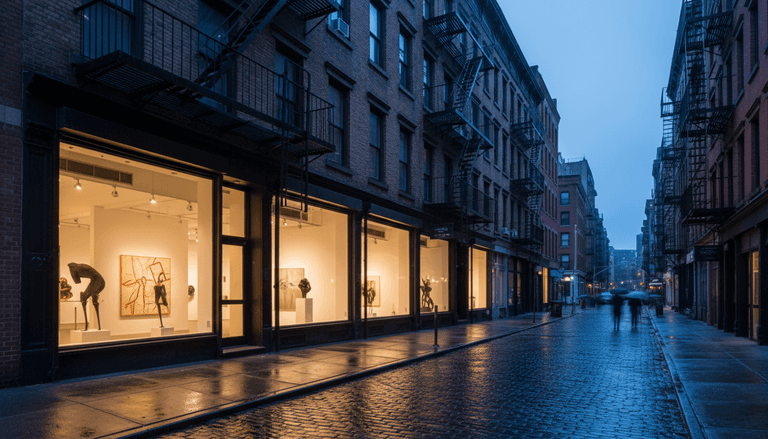
These three neighborhoods aren't interchangeable — each is built for a different kind of show, and a different kind of visit. Here's what to actually expect from each.
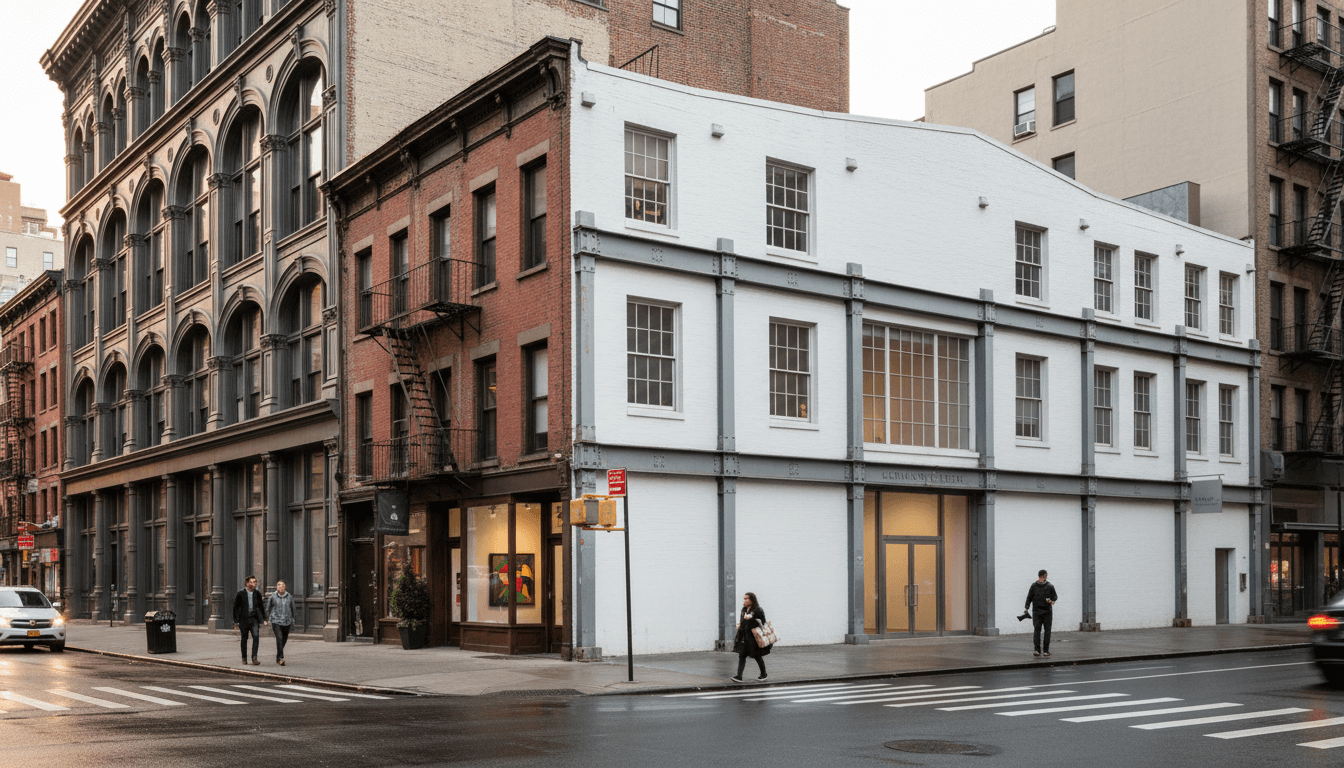
Tell a visitor that New York has three major gallery neighborhoods and they'll assume the difference is just geography — three parts of Manhattan that happen to have galleries in them. It isn't. SoHo, Chelsea, and the Lower East Side function as genuinely different parts of the art world's ecosystem today, and knowing which is which decides whether your afternoon is worth the subway ride.
At a glance
| SoHo | Chelsea | Lower East Side | |
|---|---|---|---|
| Typical space | Retail-adjacent, boutique-scale | Large industrial warehouses | Small storefronts, walk-ups |
| What's shown | Mostly retail now, a handful of galleries | Established and blue-chip artists | Emerging and mid-career artists |
| Best for | A quick stop between shopping | Seeing major, well-resourced shows | Discovering something before it's known |
| Typical hours needed | 30–60 minutes | Half a day, spread out | 2–3 hours, dense and walkable |
SoHo today: mostly retail, a few holdouts
SoHo is no longer a gallery district in any functional sense — it's a shopping neighborhood with a handful of serious galleries left over from its 1970s–90s peak, plus newer arrivals betting the area's cachet still counts for something. A visit here is worth combining with shopping or a meal rather than planning around; treat any gallery you find as a bonus, not the main event.
Chelsea today: scale, capital, and spectacle
Chelsea is where the industry's biggest players operate, in warehouse-scale spaces built to hold large, ambitious, expensive work. A Chelsea visit rewards planning — the district spans many blocks with galleries spaced far enough apart that casual wandering burns time inefficiently — and it's the right destination when what you want is a major, well-resourced show by an artist whose name you already recognize. It is not, generally, where an unrepresented artist gets discovered for the first time; the overhead of these spaces requires exactly the kind of established market that emerging work hasn't built yet.
The Lower East Side today: density, discovery, risk
The Lower East Side inverts Chelsea's whole model: small storefronts, low overhead, and a much higher tolerance for showing work that might not sell. That's precisely why it's the district worth actually walking end to end if what you actually want is to see something before anyone else has decided it matters — the tradeoff is that quality varies far more show to show than it does at an established Chelsea gallery, since a smaller space has less institutional vetting behind every decision.
Matching the district to what you actually want
- Want a guaranteed, polished, big-name show? Chelsea.
- Want to discover something genuinely new, accepting some misses along the way? The Lower East Side.
- Have thirty minutes between other plans and happen to be nearby? SoHo, treated as a bonus rather than a destination.
None of these is objectively "better" — they're built for different purposes, and expecting Chelsea's polish from a Lower East Side storefront, or the Lower East Side's discovery energy from a Chelsea warehouse, is where visitors end up disappointed for reasons that have nothing to do with the actual quality of the neighborhood they picked.
Advertisement
The bottom line
New York's three major gallery districts aren't interchangeable options distinguished only by subway stop — they're distinct parts of a functioning ecosystem, each optimized for a different stage of an artist's career and a different kind of visit, a split that's really just the SoHo-to-Chelsea-to-LES migration frozen at its current moment. Know what you're actually looking for before you decide where to go, and the neighborhood mostly picks itself.
FAQ
Which NYC gallery neighborhood should I visit if I only have time for one?
Depends on your goal — Chelsea for major established shows, the Lower East Side for discovering new artists, SoHo only if you're already there for other reasons.
Is SoHo still worth visiting for art?
A handful of serious galleries remain, but it's no longer a primary gallery district — treat any art you find there as a bonus alongside shopping.
Are Lower East Side galleries lower quality than Chelsea's?
Not lower quality, more variable — smaller spaces take more risks on unproven work, so the range between a show's best and worst is wider.
How much time should I set aside for each district?
Thirty to sixty minutes for SoHo, a half day for Chelsea given its spread-out blocks, and two to three focused hours for the Lower East Side's dense grid.
Do all three neighborhoods have gallery openings on the same nights?
Openings cluster on Thursday evenings across all three, though the Lower East Side and Chelsea see the heaviest concentration.