The Chemistry of Encaustic Wax Painting
Encaustic uses molten wax as its binder, which is why it is fused with heat and why it can last two thousand years. The chemistry is simple and unforgiving.
Encaustic painting uses molten beeswax as its binder instead of oil or egg, and that one substitution explains almost everything unusual about the medium: why it has to be worked with heat, why it can be carved and polished like a soft stone, and why some of the oldest surviving painted portraits in the world are made this way and still have their original colour intact two thousand years later — a binder chemistry as distinct from how oil paint cures as it is from why watercolour stays reworkable.
At a glance
- Binder
- Beeswax, usually hardened with damar resin
- Applied
- Molten, kept liquid on a heated palette
- Bonded
- Fused with heat after application, layer to layer
- Surface
- Can be matte, glossy, carved, or polished
- Durability
- Excellent — resists water, mould, and rot
- Best-known survivors
- The Fayum mummy portraits, Roman Egypt, 1st–3rd century CE
What the medium actually is
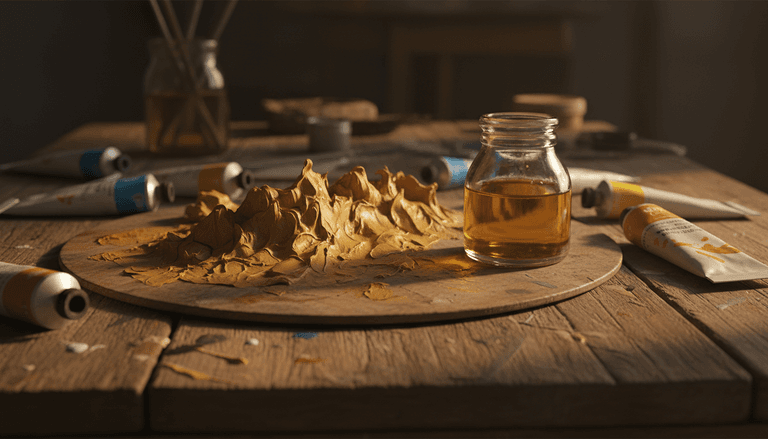
Encaustic medium is beeswax — sometimes hardened with damar resin to raise its melting point and reduce tackiness — mixed with pigment and kept molten on a heated surface while it's worked. It's applied with a brush or a metal tool while liquid, and then "fused": reheated after application so each new layer melts just enough to bond with the one beneath it, rather than sitting on top of it as a separate, flaking skin. Fusing is the step that makes the surface a single continuous film instead of a stack of loose layers, and skipping it is the main way encaustic paintings fail.
Why it survives so well
Beeswax is chemically stable and hydrophobic — it repels water rather than absorbing it — which is the direct reason a properly fused encaustic film resists moisture, mould, and rot far better than most painting media. The clearest proof of this is also the medium's oldest surviving body of work: the Fayum mummy portraits, painted onto wood panels in Roman Egypt roughly between the first and third centuries CE and buried with the dead they depict. Many still show remarkably vivid, largely unfaded colour after roughly two thousand years — a durability record almost no other painting technique can match.
The wax isn't invincible. It's soft enough to scratch, it can develop a hazy surface "bloom" in cold conditions (which buffs away), and it will soften again in enough heat. But as a long-term binder, it has an unusually good track record.
What ancient writers said about it
The Roman writer Pliny the Elder described encaustic painting in his Natural History in the first century CE, distinguishing a few different methods — one using a heated metal tool called a cestrum on ivory, another applying wax with a brush, and a third specifically used to paint warships, which he noted resisted sun, salt water, and wind better than other methods of the time. Later scholars have argued for centuries over exactly what Pliny meant technically, which is itself a small testament to how thoroughly the ancient working method has been lost and had to be reconstructed by trial and error.
Advertisement
The tools and the central variable: heat
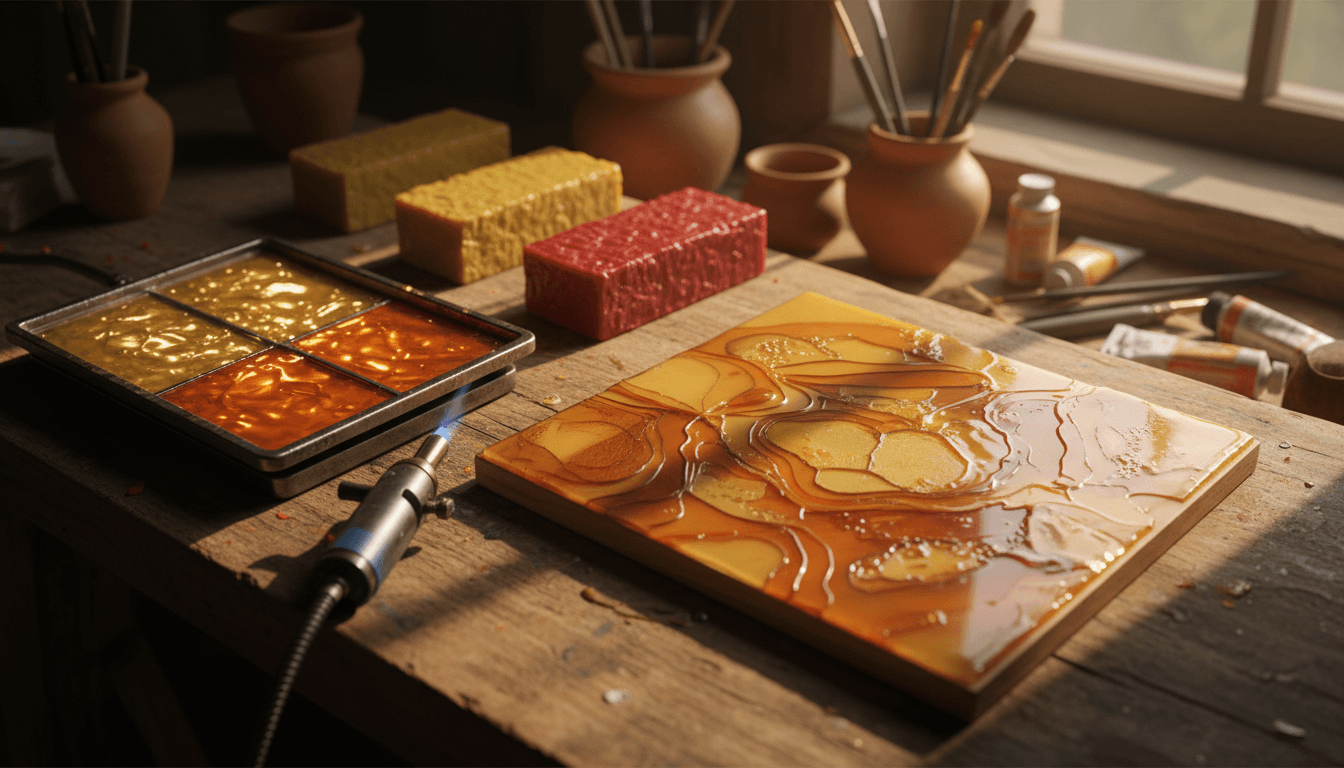
Because the medium has to stay liquid to be worked, encaustic painting happens around a heated palette, with brushes, metal tools, and often heat guns or small torches used to fuse each layer afterward. Temperature is the one variable that governs everything: too cool and the wax won't flow or bond properly; too hot and it scorches the pigment or damages the surface. Most of what separates a beginner's encaustic piece from an experienced one is simply a developed feel for that temperature window.
What the medium makes possible
- Genuine depth. Because the wax is slightly translucent, light penetrates several layers before bouncing back, giving encaustic a visual depth that opaque media can't easily replicate.
- Carving and incising. Cooled wax is soft enough to carve, scrape, or incise, so the artist can cut back through layers to reveal colour underneath — encaustic is sculptural as well as painterly in a way oil and acrylic aren't.
- A tactile, physical surface. The medium can be polished to a high gloss by burnishing, or left matte and textured, and the surface often visibly records the tool marks and heat used to make it.
Getting the recipe right
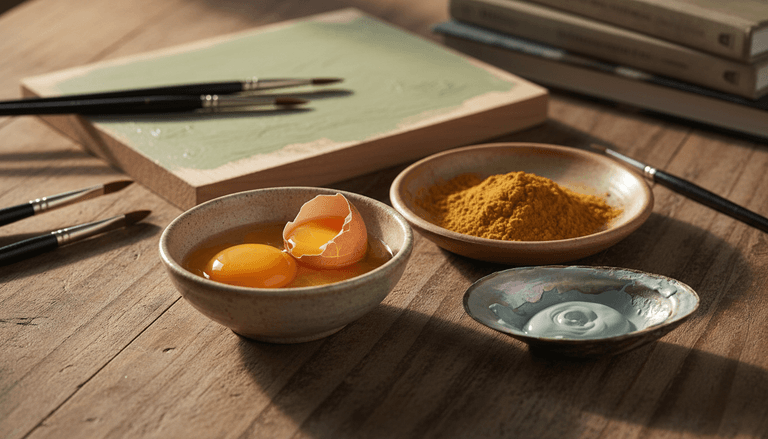
Pure beeswax on its own is soft and slightly tacky, which is why most encaustic mediums cut it with damar resin — a natural resin tapped from tropical trees — to raise the melting point and firm up the final surface. A common working ratio is roughly four or five parts wax to one part resin, though individual painters adjust it for a harder or softer result, and the resin has to be melted in carefully, since overheating darkens it and can degrade the medium's clarity.
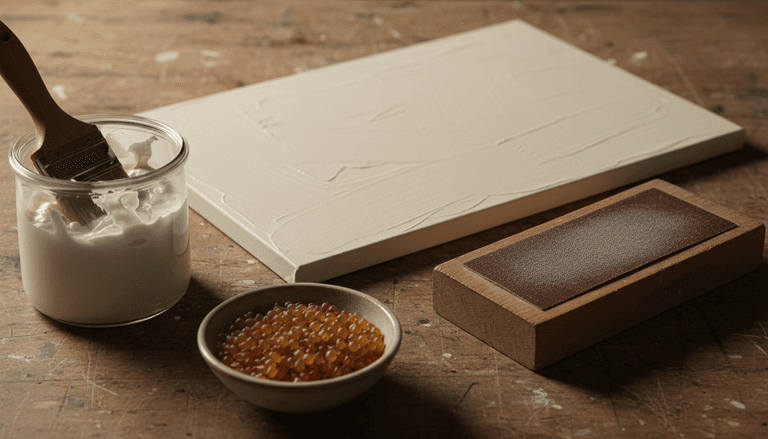
Pigment choice matters more here than in most media, because whatever goes into the wax has to survive repeated heating without shifting colour or reacting with the resin. Some pigments are simply unsuitable at encaustic working temperatures, which is part of why many encaustic painters buy pre-made, pigment-tested medium rather than compounding their own from raw dry pigment. The support matters too — encaustic is traditionally worked over a rigid, well-prepared panel rather than the kind of flexible ground canvas painting depends on, since a wax film has little tolerance for a surface that flexes underneath it.
The medium's modern revival
Encaustic largely disappeared as a practical technique for well over a thousand years before a documented 20th-century revival, and its highest-profile reintroduction has a specific name attached: Jasper Johns, who began using encaustic in the mid-1950s for early, now-iconic works including his first Flag paintings (1954–55). The choice wasn't incidental — encaustic's fast-setting, textured surface let him build up a dense, physical layer of paint quickly, in a way that read as neither purely painting nor purely object. Contemporary encaustic artists still cite that generation of work as part of what brought the medium back into serious use, alongside newer, more convenient tools — electric palettes and heat guns — that removed some of the older technical barriers to working with it at all.
What it demands, practically
Encaustic requires ventilation, because heating wax and resin produces fumes, and some pigments and additives are hazardous specifically when heated rather than at room temperature. It also requires accepting that the medium sets almost the instant it cools, which makes it excellent for texture and fast, gestural layering but genuinely unforgiving for the kind of slow blending oil painting allows. Neither of these is a flaw exactly — they're the terms the medium sets, and working well within them is most of what the craft consists of.
The bottom line
Encaustic is, at its core, a chemistry problem solved two thousand years before modern chemistry existed: wax, resin, and pigment, fused by heat into a film that's proven itself more durable than nearly anything else artists have used since. It's slow, it's unforgiving, and it demands real respect for heat and ventilation — and in exchange it offers a surface, and a lifespan, no other medium quite replicates.
FAQ
What is encaustic painting?
A technique using molten beeswax, usually hardened with damar resin, as the paint's binder — applied hot with pigment and fused with heat after each layer.
Why does encaustic last so long?
Beeswax is hydrophobic and chemically stable, so a properly fused film resists water, mould, and rot far better than most other painting media.
What is "fusing" in encaustic painting?
Reheating each applied layer so it melts just enough to bond with the layer beneath it, creating one continuous film instead of loose, separate layers prone to flaking.
Who is associated with encaustic's modern revival?
Jasper Johns, whose early encaustic works in the mid-1950s, including his first Flag paintings, are widely credited with bringing serious attention back to the medium.
Is encaustic dangerous to work with?
The heat and fumes from melting wax and resin are real hazards that require ventilation and care, but the medium is safe with standard studio precautions.