Mummy Brown: The Paint Made From Human Remains
Mummy brown was a real pigment, ground from mummified remains and sold by colourmen for centuries. It worked, it sold, and painters buried it when they learned what it was.
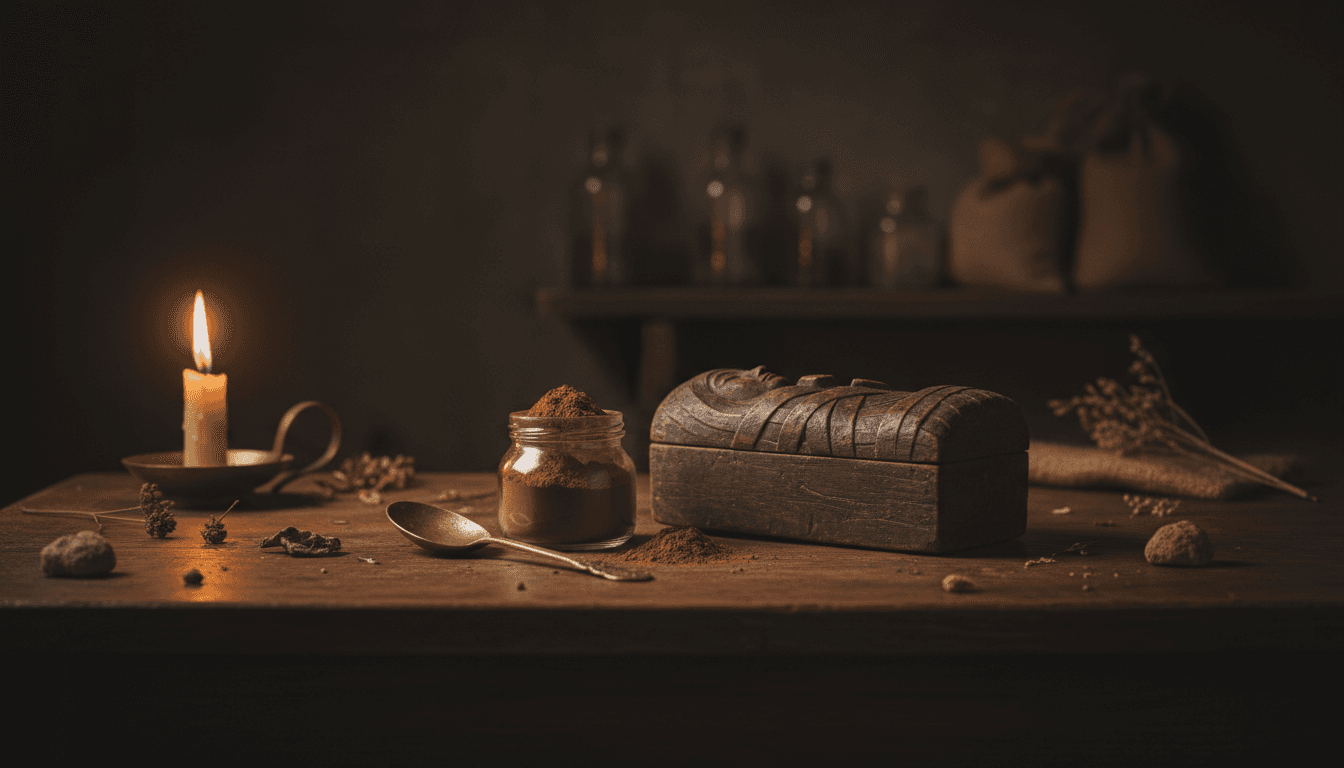
Mummy brown proves something uncomfortable: painters can use a material for centuries without really knowing what it is. From roughly the sixteenth century into the twentieth, colourmen sold a warm, transparent brown, ground from mummified human and animal remains, to artists who mixed it into glazes and flesh tones — and a meaningful number of those artists had no clear idea, or actively didn't ask, what "mummy" in the pigment's name actually meant.
The obvious objection
Surely that can't be right. Painters work directly with their materials, grinding and mixing them by hand; a professional relationship with pigment that close should make ignorance about its source almost impossible to sustain for four centuries. Someone, somewhere in that chain, must have known and just not talked about it.
The supply chain nobody controlled
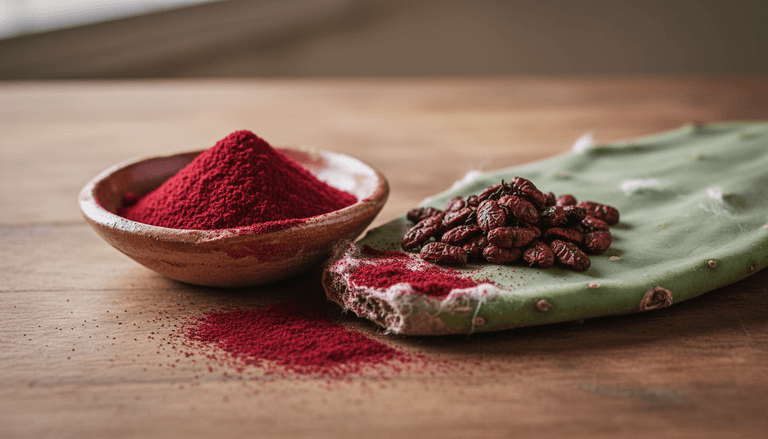
The objection assumes the supply chain was legible enough to know anything precisely, and it wasn't. From the medieval period on, Egyptian mummies were exported to Europe by the crate, driven overwhelmingly by a medical market — ground mummy, called mummia, was prescribed for everything from bruises to epilepsy — with the pigment trade riding along as a secondary use for material that couldn't be sold as medicine or displayed as a curiosity. The confusion went deeper than most buyers realised: medieval pharmacology had conflated two different substances under the same word, since the Persian physician Ibn Sina had described mummia as a bituminous drug, and mineral bitumen and embalmed human remains were sold interchangeably under the name for centuries. When the supply of human mummies ran short, the trade quietly substituted mummified cats and other embalmed animals, which Egypt had produced in comparable volume. A colourman buying "mummy" in the eighteenth century had no reliable way of knowing whether he was getting a person, a cat, or a lump of asphalt — and, crucially, often had no particular reason to ask, in much the same way most studios never questioned where their cochineal red actually came from either.
The counter-consideration: didn't some painters know exactly what it was?
This is where the objection has real force. Not everyone was ignorant. The material's origin was documented clearly enough, by writers on pigments and by anyone who thought about the name for more than a moment, that some painters must have known precisely what they were using — and kept using it anyway. The Pre-Raphaelites, fascinated with mortality and the Gothic past, arguably found the material's grim origin part of its appeal rather than a reason to avoid it. So the fuller picture isn't universal ignorance; it's a split between painters who genuinely didn't think to ask and painters who knew and were untroubled, with the balance shifting hard toward horror only once the fact became impossible to avoid.
Advertisement
The moment that tipped the balance
The best-documented version of that shift is the Pre-Raphaelite painter Edward Burne-Jones, who reportedly kept and liked a tube of mummy brown for years before learning, in the 1880s, what it actually contained. According to the frequently repeated account, he was so appalled that he took the tube into his garden and buried it, with his family present. Whether or not the ceremony happened exactly as described, its shape captures something true about the period: painters were only then beginning to learn, across several pigments at once, what their materials actually were — lead, mercury, arsenic, and, in this one case, a person — and the reaction, once the knowledge landed, was often somewhere between disgust and a quiet funeral.
Why the ignorance was allowed to last so long
Mummy brown survived as long as it did for a boring, structural reason: nobody had a strong incentive to interrupt it. The material worked — its bitumen content gave it a transparency ideal for glazing, in an era with few other stable transparent browns — the supply chain obscured its own sourcing at every link, and the trade had no standardisation to force a reckoning, since two tubes from different makers, or even the same maker, could differ in what they actually contained. The pigment declined only once three separate forces converged: better science exposed its poor permanence, the supply of mummies genuinely ran out as Egypt restricted exports, and the ethical objection, once raised, proved impossible to argue past. Chemistry ended the ambivalence chemistry alone couldn't produce.
The verdict
Mummy brown wins the argument for what it reveals rather than for what it was: proof that a professional trade can use a material for centuries while the plainest fact about it — what it's actually made from — stays optional knowledge, tolerated right up until it becomes impossible to keep down. That's not a nineteenth-century failing specific to a strange pigment. It's a pattern that recurs everywhere supply chains are long enough to hide their own beginning, which is most of them.