
JournalTopics
Topic
materials-science
Pigment and paint science: where colors come from, what they are made of, and how their chemistry shapes the work.
October 2026
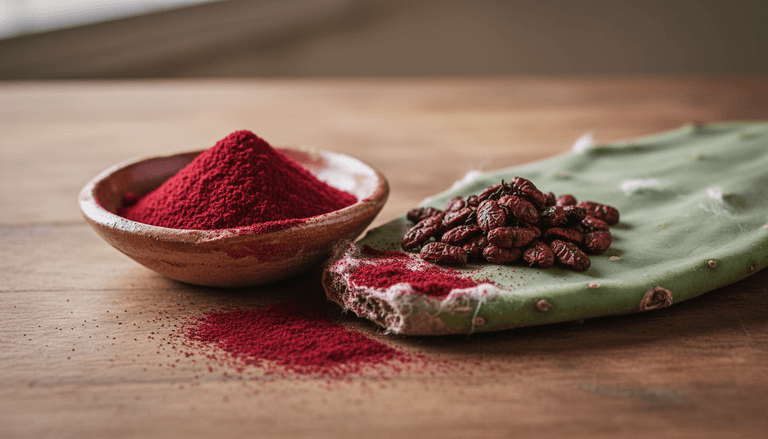
Cochineal: The Insect That Made Red
Cochineal is a red dye made from a tiny cactus insect — about 70,000 of them per pound. For three centuries it was one of the most valuable commodities on earth.
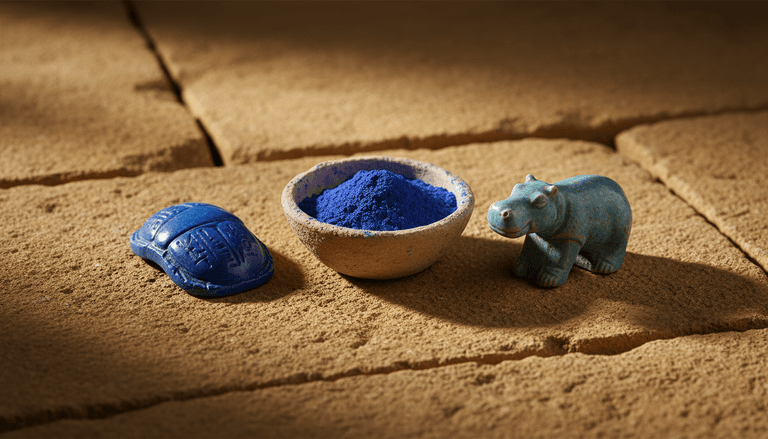
Egyptian Blue: The First Synthetic Pigment
Egyptian blue was the first pigment humans made rather than dug up. It is also one of the most stable ever created, and it still glows in infrared for archaeologists today.
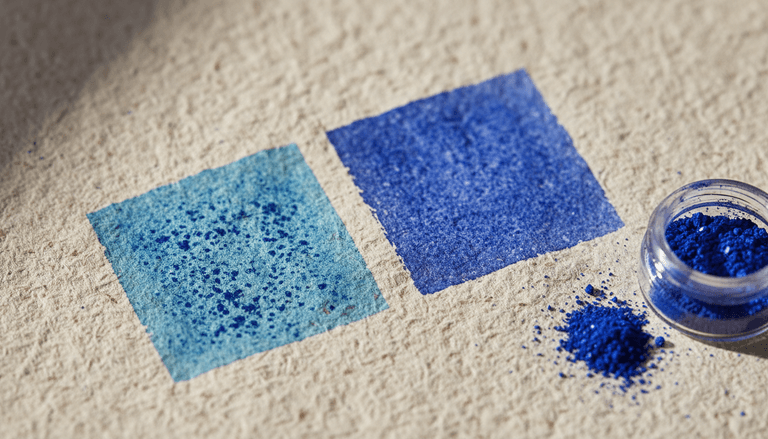
Why Watercolor Granulates on Some Papers
Some pigments settle into grain and others dry smooth. Learn what causes watercolor granulation and how to control it on different papers.
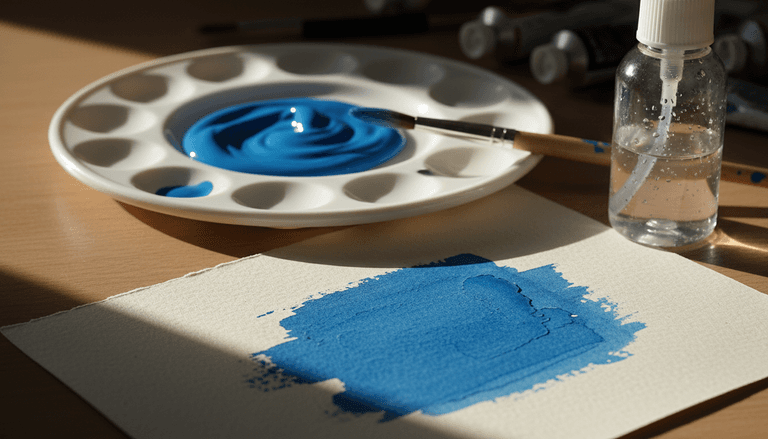
Why Acrylic Paint Dries Darker
The color you mix isn't the color you get. Learn why acrylic dries darker, which pigments shift most, and how to compensate before it ruins your values.
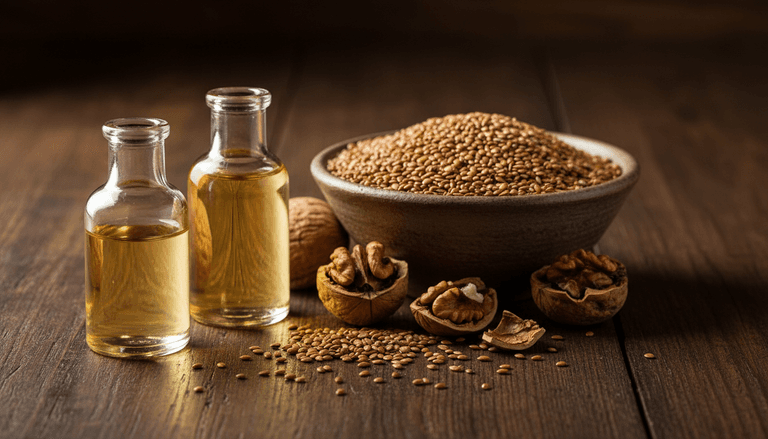
Linseed vs. Walnut Oil: What Changes in Paint
The oil in your paint is not interchangeable. Learn how linseed and walnut differ in drying, yellowing, and handling, and when each one is the right choice.
April 2026
Why Burnt Sienna Behaves Differently in Oil Than in Watercolor
The same iron oxide pigment produces fundamentally different optical and handling properties depending on whether it is suspended in linseed oil or gum arabic — and understanding why changes how you use both.
Advertisement
More from the journal
- Why Your Paintings Look Muddy and How to Fix Color Mixing ProblemsWhy paintings look muddy and how to fix color mixing problems. The science of chromatic neutralization, pigment transparency, and value control in mixing.
- How Pointillism Exploits Optical Mixing vs Pigment MixingThe science behind pointillism's optical color mixing. Why Seurat's dots work at distance but fail up close, and what retinal mixing actually achieves versus theory.
- Why Titanium White Behaves Differently Than Lead WhiteThe chemistry behind titanium white vs lead white in oil painting. Why particle size, opacity mechanisms, and drying chemistry create fundamentally different paint behavior.