
JournalTopics
Topic
Studio Insider
Longer subscriber pieces on studio practice, surface preparation, sculpture and collecting.
October 2026
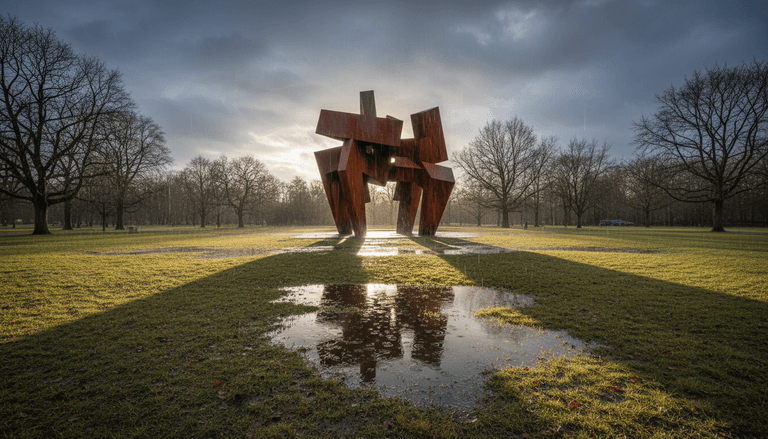
What Is an Outdoor Sculpture?
Outdoor sculpture is not sculpture that happens to be outside. It is specified for weather, engineered for wind and water, and maintained for decades — the site is part of the material.
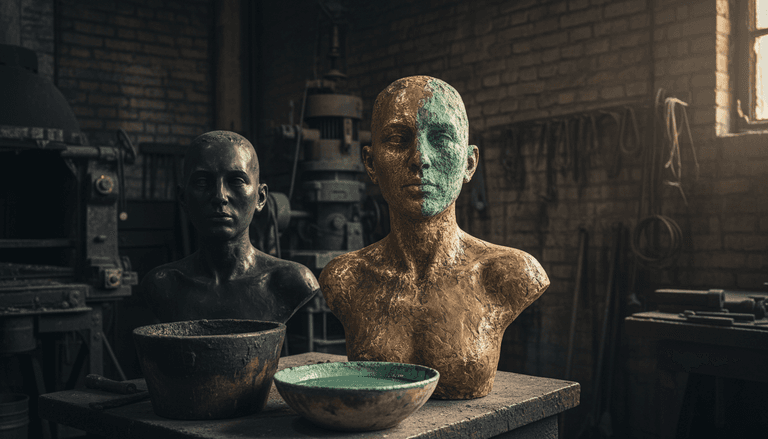
Bronze Casting: From Wax to Patina
Bronze casting is a process of destruction and replacement: the wax model is lost so the metal can take its place. The colour comes last, from chemistry.
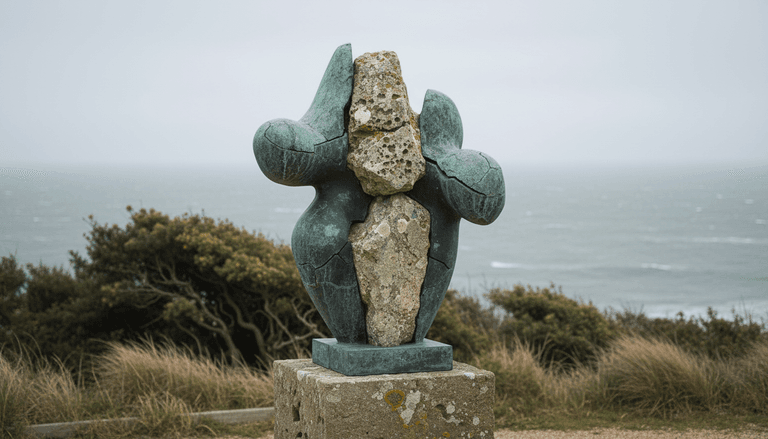
How Long Does a Sculpture Actually Last?
A sculpture's lifespan is decided before it is installed — by the material's chemistry and the climate it lands in. Here is how long each material really lasts, and why.
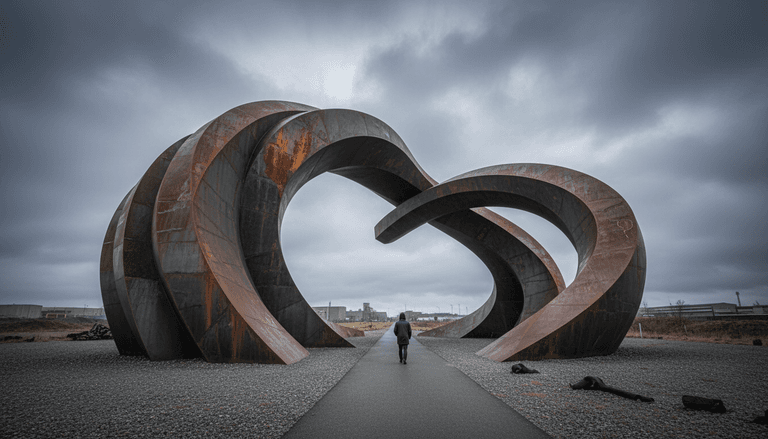
What Is a Large-Scale Sculpture?
Large-scale sculpture is not sculpture made bigger. Past a few metres, wind, gravity, and viewing distance take over, and the work becomes an environment you move through.
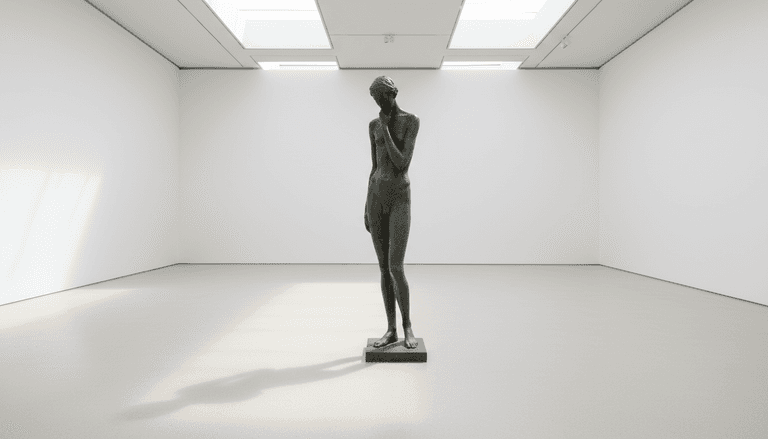
What Is a Life-Size Sculpture?
Life-size is a relationship, not a measurement. Match the body and a sculpture becomes a presence; miss the eye height and it becomes a monument. Here is how exact scale works.
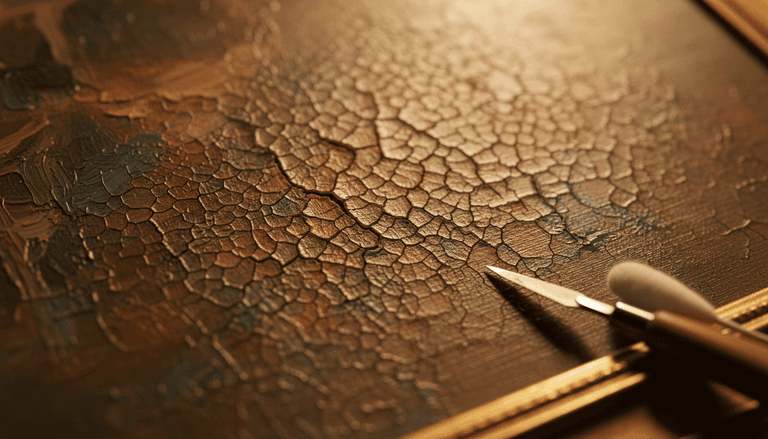
Why Paint Cracks: Flaking, Craquelure, and Age
Cracks in old paintings are not simply a sign of age. They are a record of movement — the support, the ground, and the paint film pulling against each other.
Advertisement
More from the journal
- Why Your Paintings Look Muddy and How to Fix Color Mixing ProblemsWhy paintings look muddy and how to fix color mixing problems. The science of chromatic neutralization, pigment transparency, and value control in mixing.
- How Pointillism Exploits Optical Mixing vs Pigment MixingThe science behind pointillism's optical color mixing. Why Seurat's dots work at distance but fail up close, and what retinal mixing actually achieves versus theory.
- Why Titanium White Behaves Differently Than Lead WhiteThe chemistry behind titanium white vs lead white in oil painting. Why particle size, opacity mechanisms, and drying chemistry create fundamentally different paint behavior.
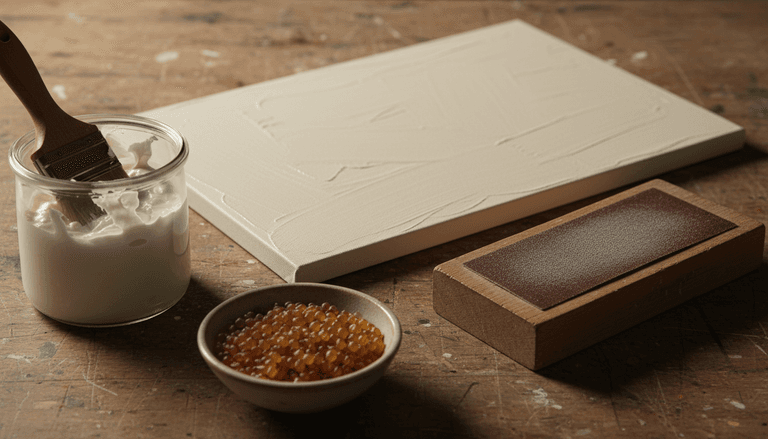
Gesso, Grounds, and Surface Preparation
The ground is the invisible layer that decides whether a painting holds together. Gesso, oil grounds, and acrylic grounds each behave differently — and the choice matters.
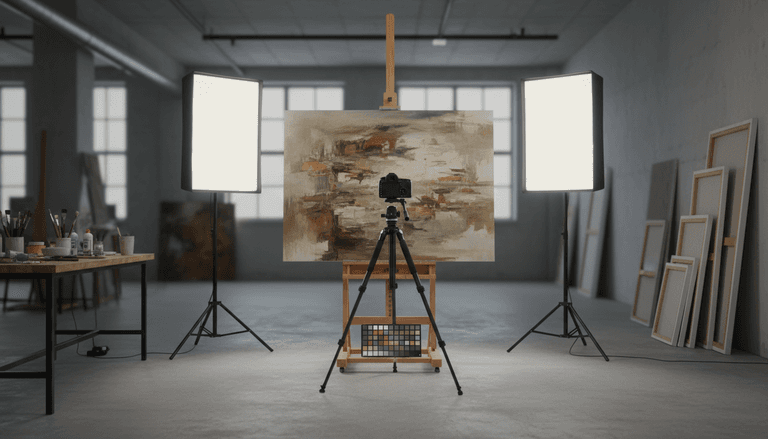
How to Photograph Your Own Artwork
You do not need a studio to document your work well. Even light, a simple setup, and a colour reference will produce photographs good enough to sell from.
November 2025
October 2025

How to Learn New Art Skills Without Wasting Time
The internet makes it easy to learn anything about art, but most artists consuming educational content aren't actually getting better. Real skill development means focused practice on abilities that move your work forward, not just collecting information or watching endless tutorials.

The Collector's Guide to Art Fairs and Auctions: Navigating High-Stakes Environments
Art fairs and auctions feel intimidating by design. This insider guide covers strategies, timing, etiquette, and common mistakes collectors should avoid.