
The archive
Journal
Everything published on materials, colour, technique, art history, exhibitions, and conservation — newest first.
October 2026
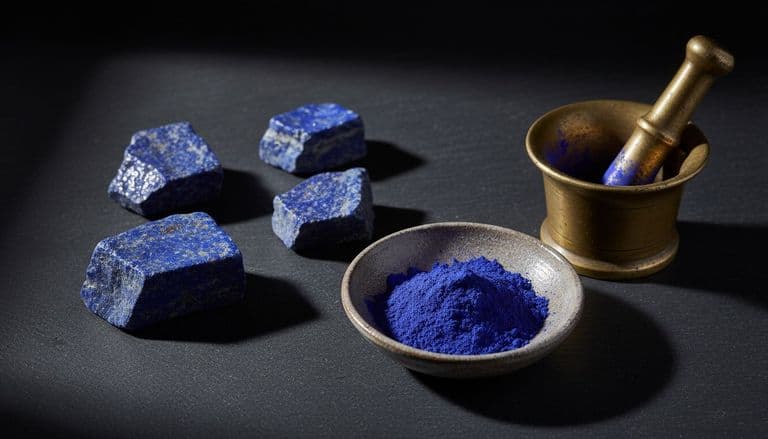
What Ultramarine Cost
Lapis-derived ultramarine was priced by the ounce, above gold — not because the stone was rare, but because the yield was dreadful and the labour was skilled. Then Guimet made it in a furnace, and the most meaningful blue in painting became just another pigment.
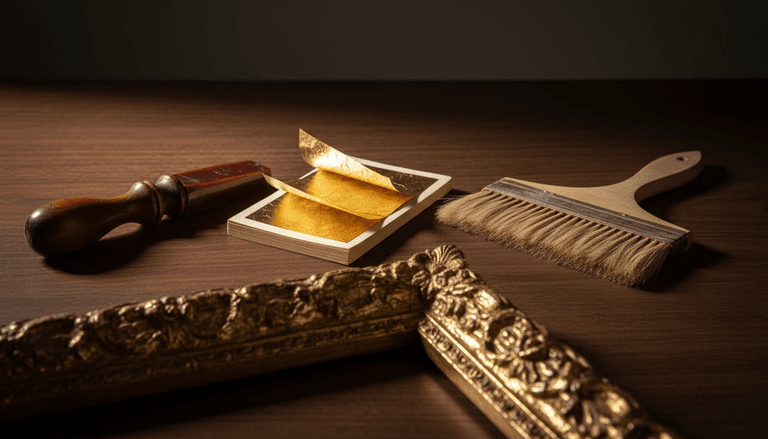
Gold in Art: Why It Never Reads as Just Yellow
Gold is not yellow paint. It is a material with its own physics and its own history, and in art it has always meant more than colour — it has meant value and the divine.
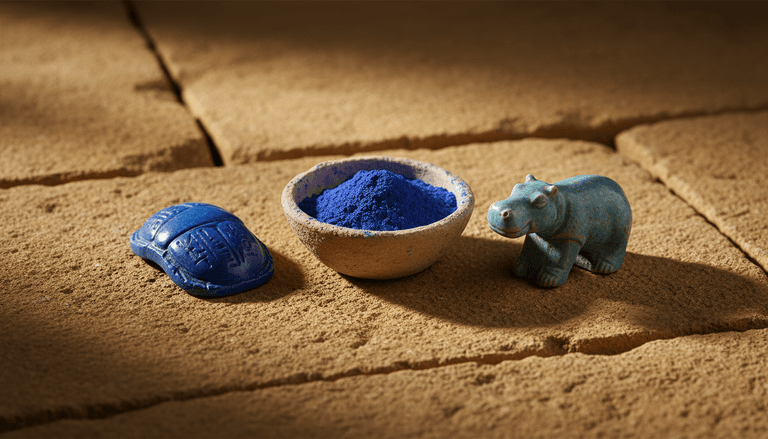
Egyptian Blue: The First Synthetic Pigment
Egyptian blue was the first pigment humans made rather than dug up. It is also one of the most stable ever created, and it still glows in infrared for archaeologists today.
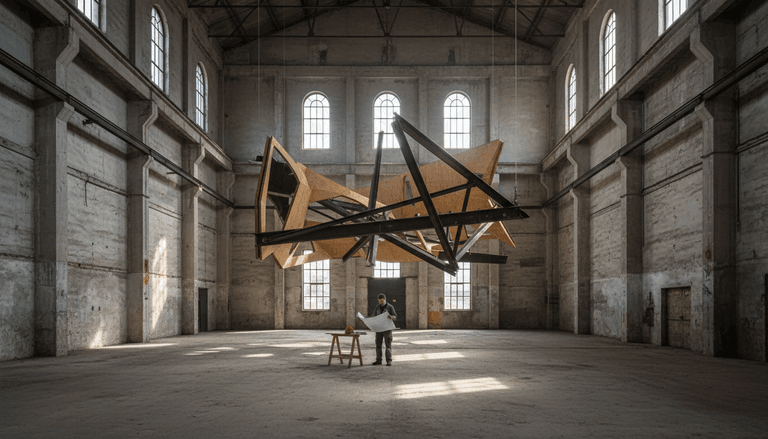
Site-Specific Installation for Sculptors
Site-specific installation is made for a place, not adapted to one. Learn how to read a site, design for movement, and plan for what happens after the show.
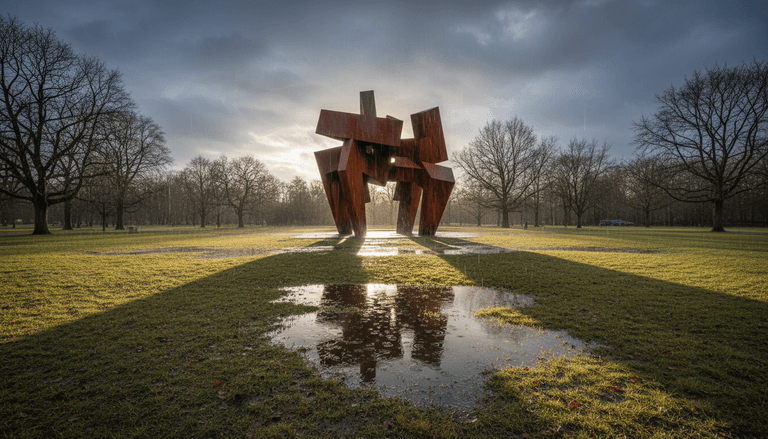
What Is an Outdoor Sculpture?
Outdoor sculpture is not sculpture that happens to be outside. It is specified for weather, engineered for wind and water, and maintained for decades — the site is part of the material.
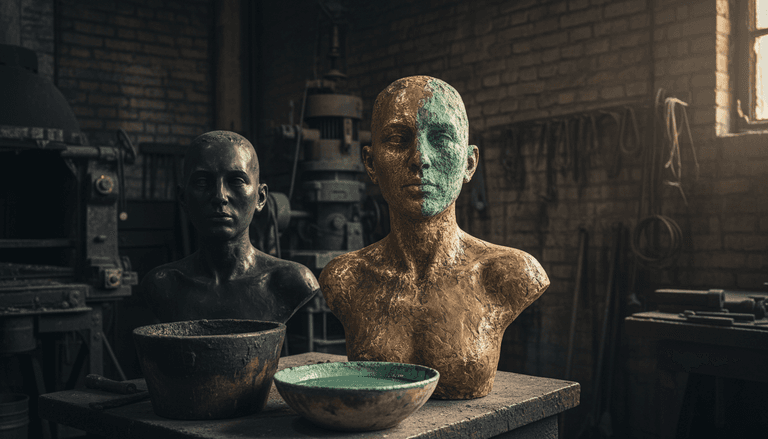
Bronze Casting: From Wax to Patina
Bronze casting is a process of destruction and replacement: the wax model is lost so the metal can take its place. The colour comes last, from chemistry.
Advertisement
More from the journal
- Why Your Paintings Look Muddy and How to Fix Color Mixing ProblemsWhy paintings look muddy and how to fix color mixing problems. The science of chromatic neutralization, pigment transparency, and value control in mixing.
- How Pointillism Exploits Optical Mixing vs Pigment MixingThe science behind pointillism's optical color mixing. Why Seurat's dots work at distance but fail up close, and what retinal mixing actually achieves versus theory.
- Why Titanium White Behaves Differently Than Lead WhiteThe chemistry behind titanium white vs lead white in oil painting. Why particle size, opacity mechanisms, and drying chemistry create fundamentally different paint behavior.
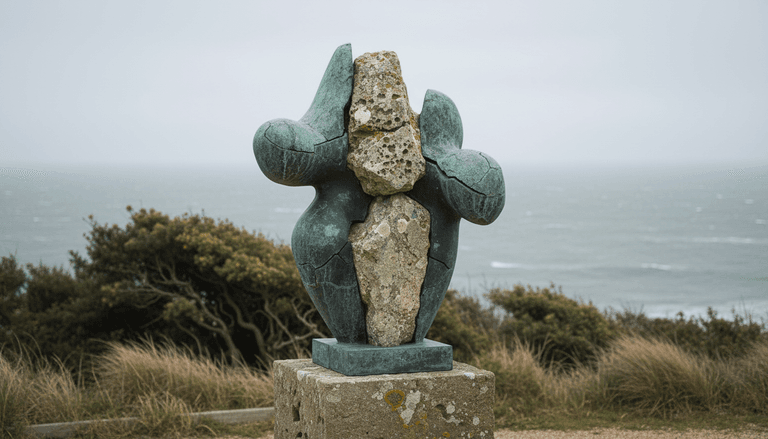
How Long Does a Sculpture Actually Last?
A sculpture's lifespan is decided before it is installed — by the material's chemistry and the climate it lands in. Here is how long each material really lasts, and why.
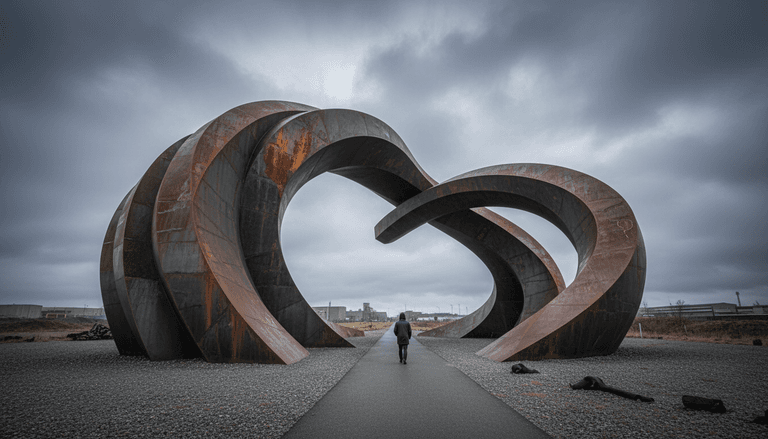
What Is a Large-Scale Sculpture?
Large-scale sculpture is not sculpture made bigger. Past a few metres, wind, gravity, and viewing distance take over, and the work becomes an environment you move through.
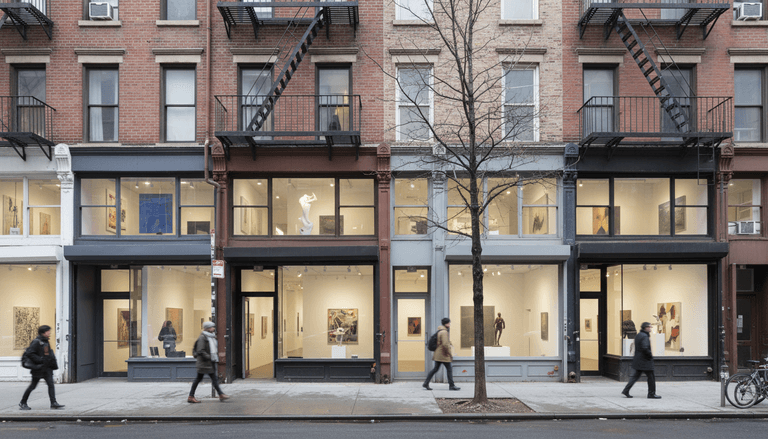
A Walking Route Through the Lower East Side's Gallery Blocks
The Lower East Side has no single gallery row like Chelsea — it's a dense grid. Here's how to actually move through it, and when to go.
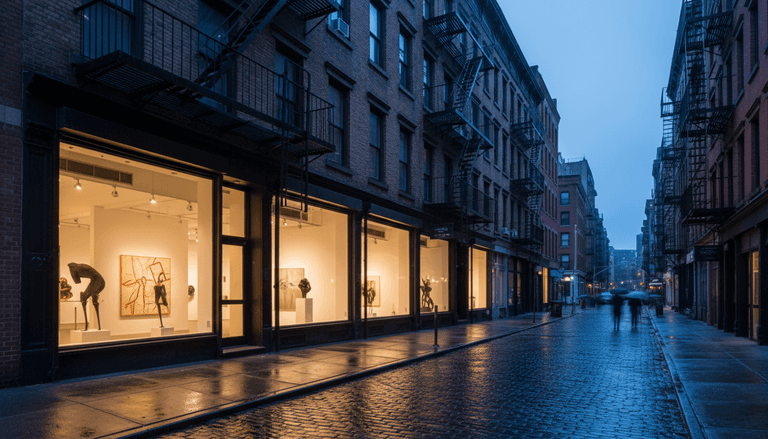
Why the Lower East Side Replaced Chelsea as NYC's Real Gallery District
Chelsea still has the money, but the actual churn of the New York art world moved to the Lower East Side years ago. Here's the SoHo-to-Chelsea-to-LES story, and why it keeps happening.
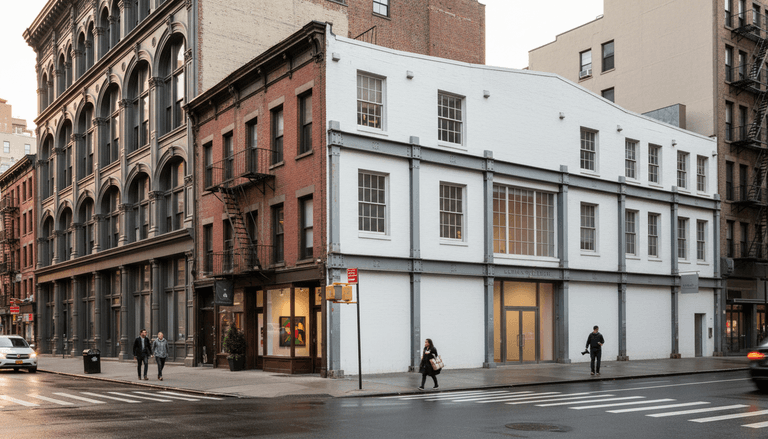
SoHo vs. Chelsea vs. LES: What Actually Separates NYC's Gallery Neighborhoods
These three neighborhoods aren't interchangeable — each is built for a different kind of show, and a different kind of visit. Here's what to actually expect from each.
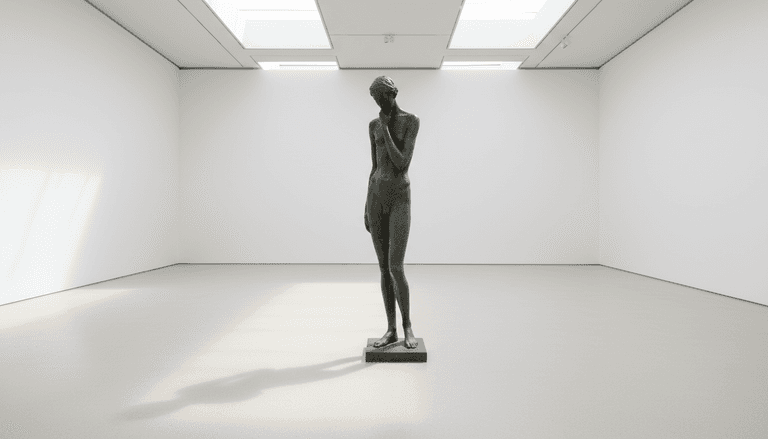
What Is a Life-Size Sculpture?
Life-size is a relationship, not a measurement. Match the body and a sculpture becomes a presence; miss the eye height and it becomes a monument. Here is how exact scale works.
Advertisement
More from the journal
- Why Your Paintings Look Muddy and How to Fix Color Mixing ProblemsWhy paintings look muddy and how to fix color mixing problems. The science of chromatic neutralization, pigment transparency, and value control in mixing.
- How Pointillism Exploits Optical Mixing vs Pigment MixingThe science behind pointillism's optical color mixing. Why Seurat's dots work at distance but fail up close, and what retinal mixing actually achieves versus theory.
- Why Titanium White Behaves Differently Than Lead WhiteThe chemistry behind titanium white vs lead white in oil painting. Why particle size, opacity mechanisms, and drying chemistry create fundamentally different paint behavior.