
The archive
Journal
Everything published on materials, colour, technique, art history, exhibitions, and conservation — newest first.
October 2026
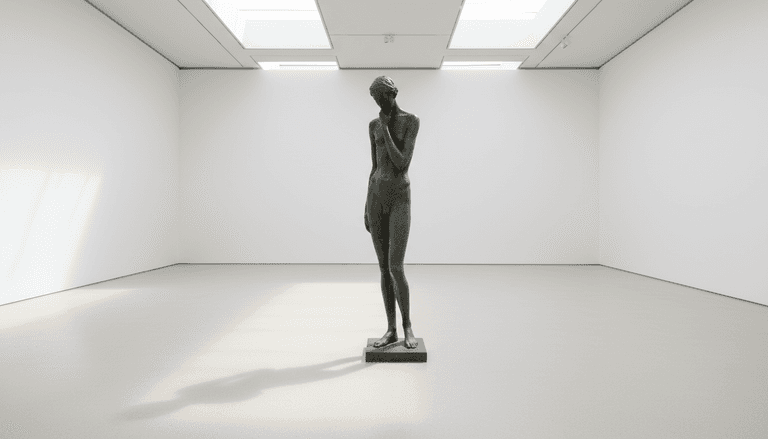
What Is a Life-Size Sculpture?
Life-size is a relationship, not a measurement. Match the body and a sculpture becomes a presence; miss the eye height and it becomes a monument. Here is how exact scale works.
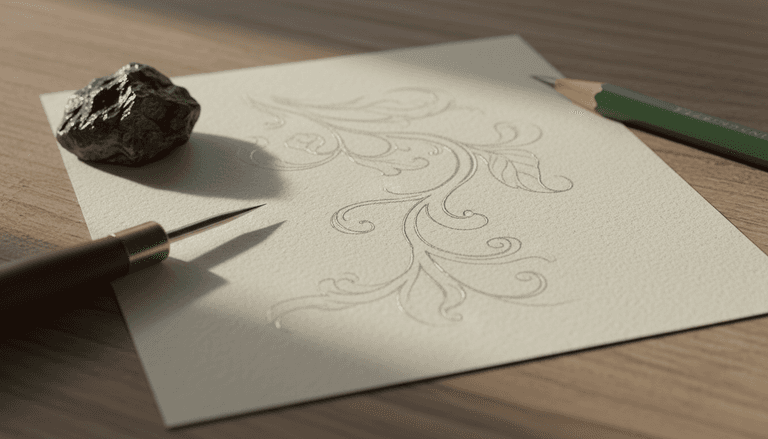
What Artists Drew With Before the Pencil Existed
Leonardo drew with actual silver wire on specially coated paper — no erasing allowed. A storm-exposed mineral in the English Lake District, and later a British blockade of revolutionary France, gave us the pencil instead.
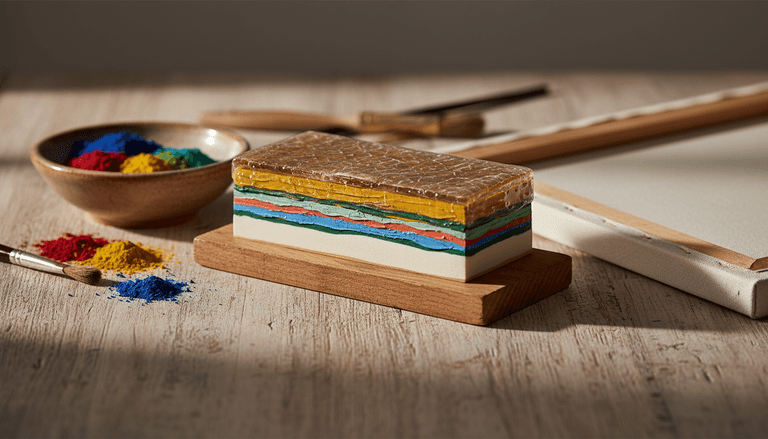
How a Painting Is Actually Made: A Complete Guide to Mediums, Grounds, and Technique
Every painting is a stack of decisions made in order — support, ground, binder, technique — and each one constrains everything after it. Here's the complete physical process, from bare panel to a five-hundred-year-old surface still slowly curing.
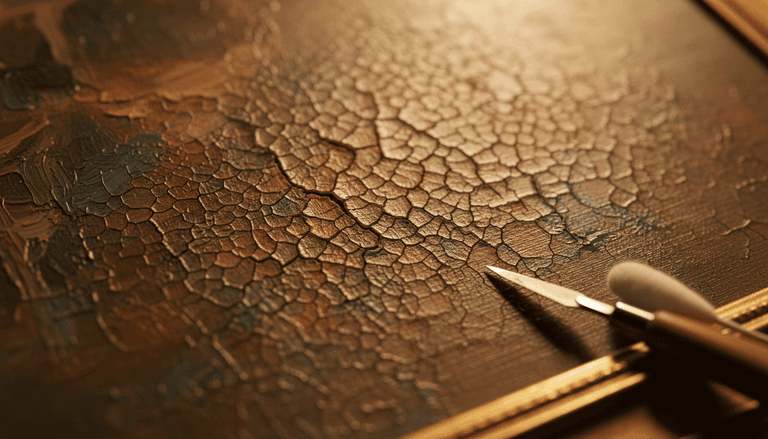
Why Paint Cracks: Flaking, Craquelure, and Age
Cracks in old paintings are not simply a sign of age. They are a record of movement — the support, the ground, and the paint film pulling against each other.
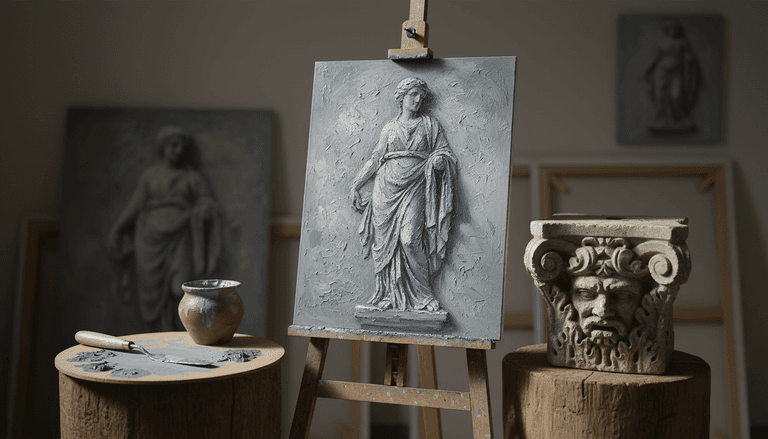
The Grey Painting Technique Born From a Ban on Color
A 1134 monastic ban on colored church art gave us grisaille — grey painting that later learned to impersonate carved stone on the outside of Flemish altarpieces, then quietly became oil painting's own underpainting method.
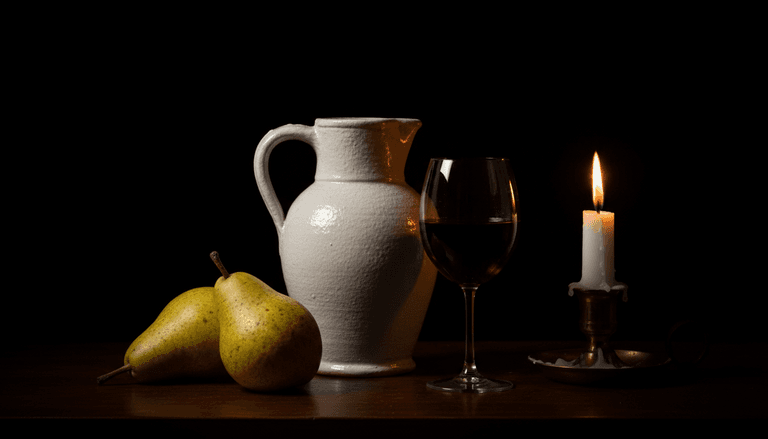
How One Painting Technique Went From Softening Shadows to Total Darkness
Caravaggio's spotlight-and-void look started as a drawing technique on tinted paper. It took two centuries, and one painter's extremism, to become the style we now call tenebrism — and its final descendant is film noir lighting.
Advertisement
More from the journal
- Why Your Paintings Look Muddy and How to Fix Color Mixing ProblemsWhy paintings look muddy and how to fix color mixing problems. The science of chromatic neutralization, pigment transparency, and value control in mixing.
- How Pointillism Exploits Optical Mixing vs Pigment MixingThe science behind pointillism's optical color mixing. Why Seurat's dots work at distance but fail up close, and what retinal mixing actually achieves versus theory.
- Why Titanium White Behaves Differently Than Lead WhiteThe chemistry behind titanium white vs lead white in oil painting. Why particle size, opacity mechanisms, and drying chemistry create fundamentally different paint behavior.
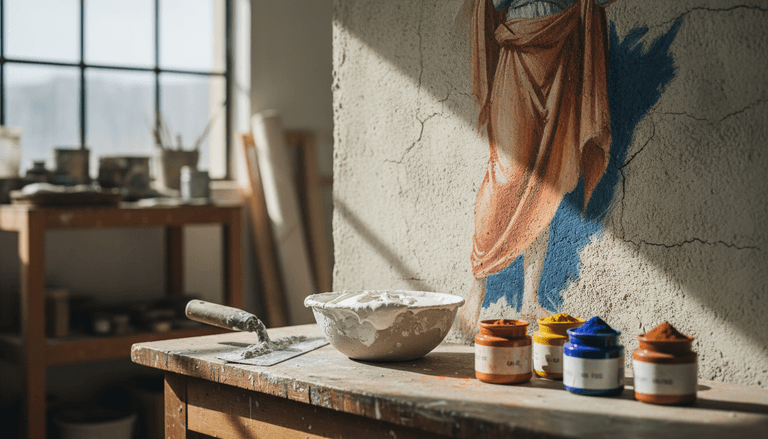
Why Michelangelo's Ceiling Survived and Leonardo's Wall Didn't
Michelangelo's ceiling is as vivid as ever. Leonardo's Last Supper started falling apart in his own lifetime. Both are "frescoes" — but only one uses a chemical reaction that locks pigment permanently into the wall.
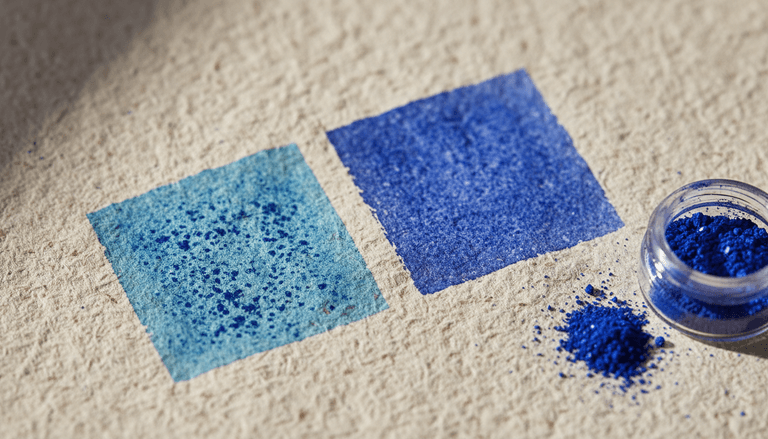
Why Watercolor Granulates on Some Papers
Some pigments settle into grain and others dry smooth. Learn what causes watercolor granulation and how to control it on different papers.
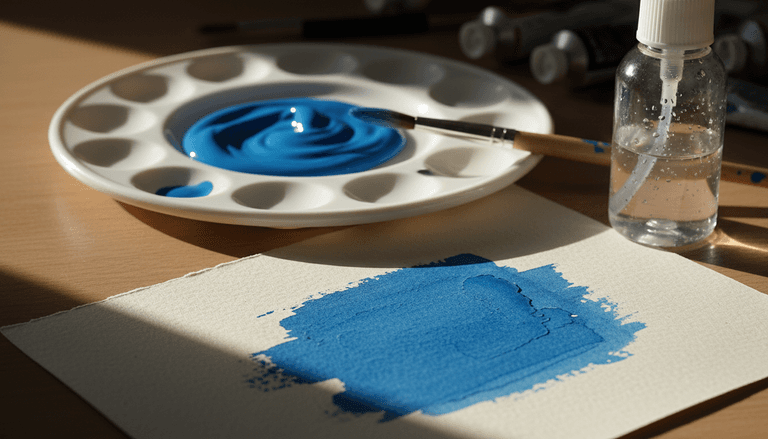
Why Acrylic Paint Dries Darker
The color you mix isn't the color you get. Learn why acrylic dries darker, which pigments shift most, and how to compensate before it ruins your values.
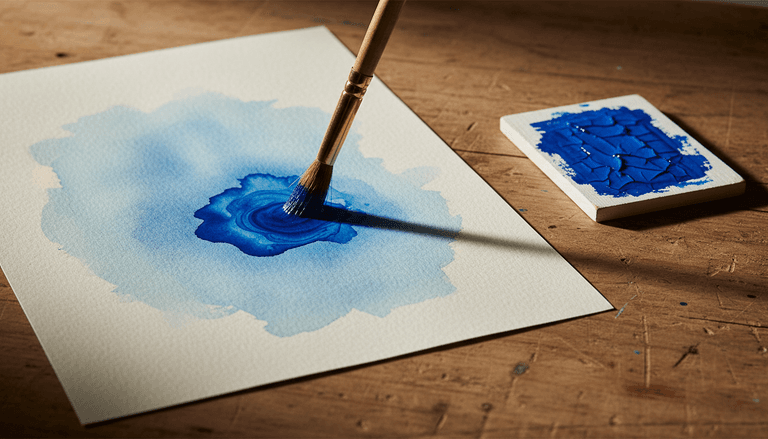
Why Watercolor Lifts and Acrylic Doesn't
Watercolour lifts because gum arabic stays water-soluble; acrylic does not because it forms a plastic film. The difference is chemistry, and it changes how you paint.
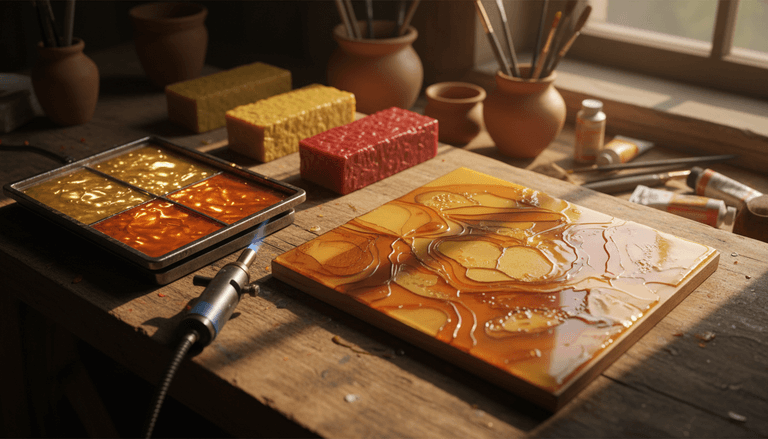
The Chemistry of Encaustic Wax Painting
Encaustic uses molten wax as its binder, which is why it is fused with heat and why it can last two thousand years. The chemistry is simple and unforgiving.
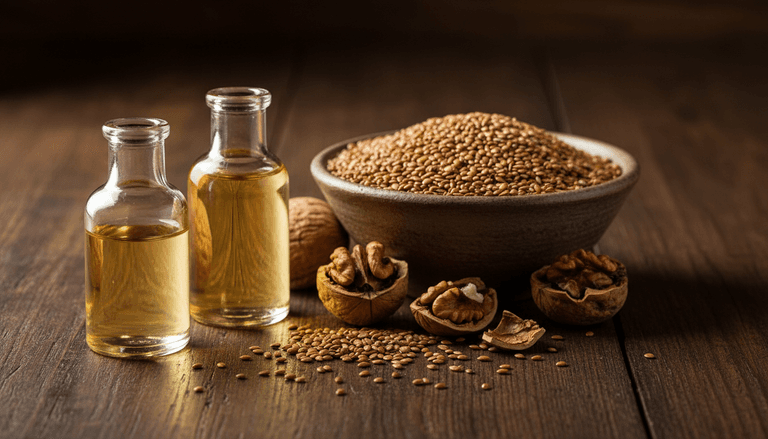
Linseed vs. Walnut Oil: What Changes in Paint
The oil in your paint is not interchangeable. Learn how linseed and walnut differ in drying, yellowing, and handling, and when each one is the right choice.
Advertisement
More from the journal
- Why Your Paintings Look Muddy and How to Fix Color Mixing ProblemsWhy paintings look muddy and how to fix color mixing problems. The science of chromatic neutralization, pigment transparency, and value control in mixing.
- How Pointillism Exploits Optical Mixing vs Pigment MixingThe science behind pointillism's optical color mixing. Why Seurat's dots work at distance but fail up close, and what retinal mixing actually achieves versus theory.
- Why Titanium White Behaves Differently Than Lead WhiteThe chemistry behind titanium white vs lead white in oil painting. Why particle size, opacity mechanisms, and drying chemistry create fundamentally different paint behavior.