
The archive
Journal
Everything published on materials, colour, technique, art history, exhibitions, and conservation — newest first.
February 2026
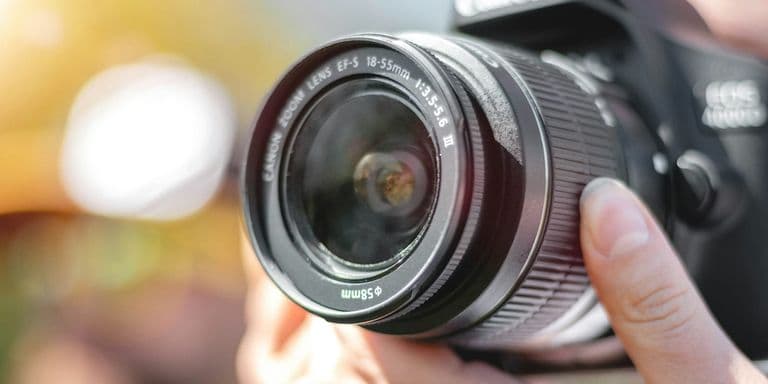
What's the Point of Abstraction When Photography Exists?
Photography didn't force abstraction—abstract work treats color, form, and composition as primary content rather than representation tools. It creates experiences, investigates perception, and addresses concerns representation can't accommodate.
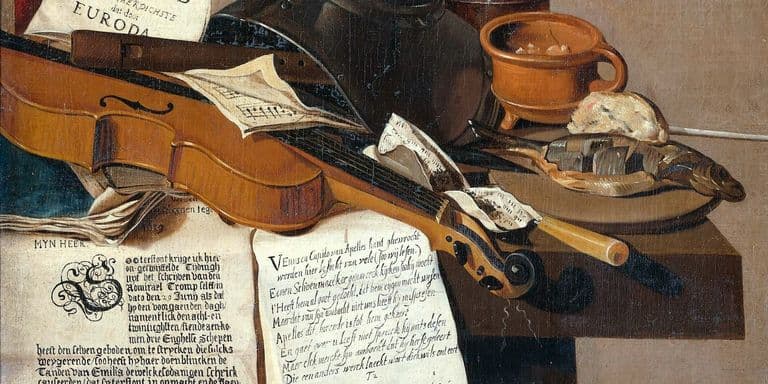
Reading Art History as a Practicing Artist
Art historians analyze meaning and context. Practicing artists need technical knowledge—how historical work was made, what compositional strategies organized it, what material approaches it demonstrates. Learn to extract studio-applicable knowledge from art history.
January 2026

Rust, Patina, and Controlled Corrosion as Artistic Process
Rust, verdigris, and controlled corrosion create surfaces through chemical transformation and time. Weathering steel develops protective rust layers while bronze patinas over decades through environmental exposure and accelerated chemical processes.
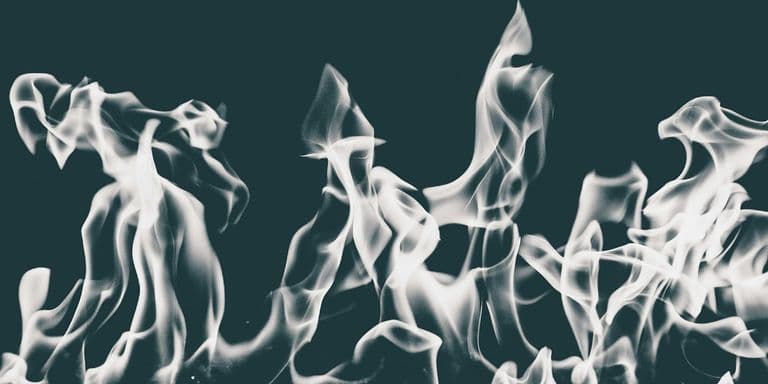
Using Explosives, Fire, and Destruction to Create Art
Gunpowder explosions, torch scorching, acid corrosion, and deliberate destruction create art through violent transformation. Fire and explosives require serious safety protocols but enable effects construction can't achieve.
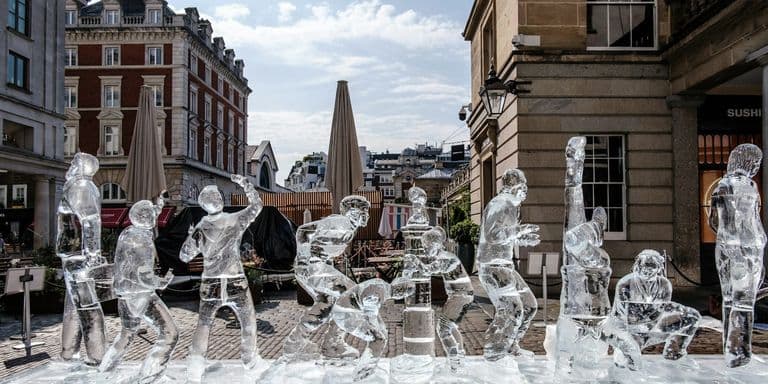
Sculpture From Ice, Wax, and Other Materials Designed to Transform
Ice melts, wax flows, chocolate rots—materials hovering between solid and liquid states make impermanence visible. Temperature-sensitive sculpture embraces transformation that stable materials can't address.
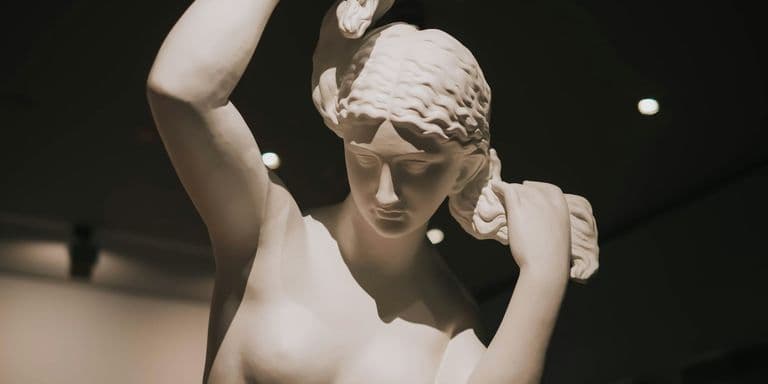
How Light Creates Form, Space, and Meaning
Light reveals form through shadow modeling, creates depth through atmospheric perspective, and carries symbolic weight through cultural associations. Direction, quality, color, and intensity determine spatial, emotional, and psychological effects.
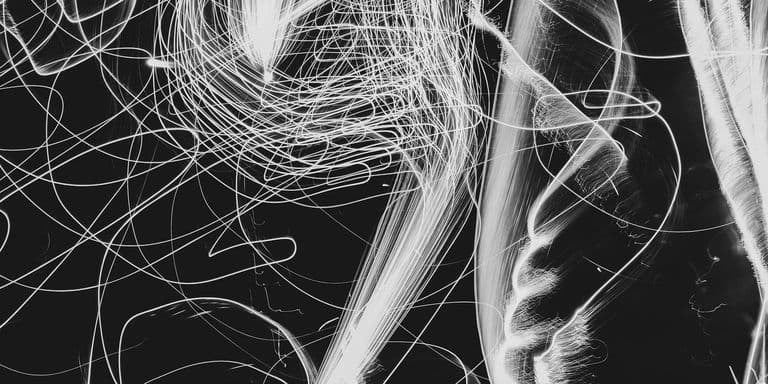
Why Some Lines Feel Alive and Others Feel Dead
Line weight, speed, pressure, and continuity determine whether marks feel alive or dead. Gestural energy, tool response, and physical commitment create lines that record movement and intention, not just outlines.
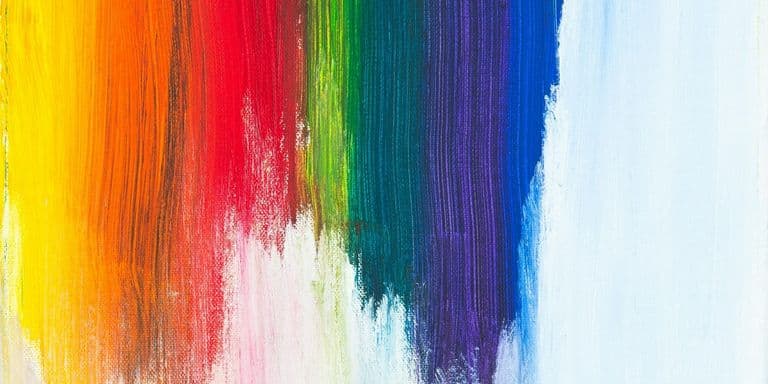
The Only Color Theory Guide You Actually Need
Color theory isn't rules to memorize but frameworks for understanding how wavelengths, perception, and mixing actually work. Hue, value, saturation, temperature, bias, and context determine whether color serves concepts or just decorates surfaces.
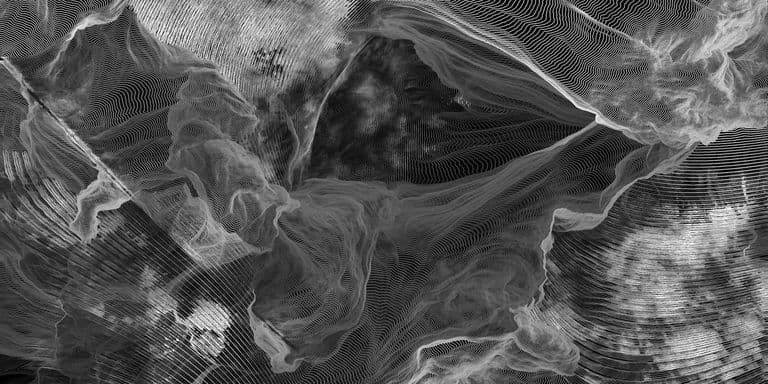
Machine Learning for Generative Art Without the Hype
Machine learning does sophisticated pattern matching and statistical generation, not magic. Understanding when it's actually useful versus when simpler approaches work better cuts through hype and enables critical use as artistic tool.
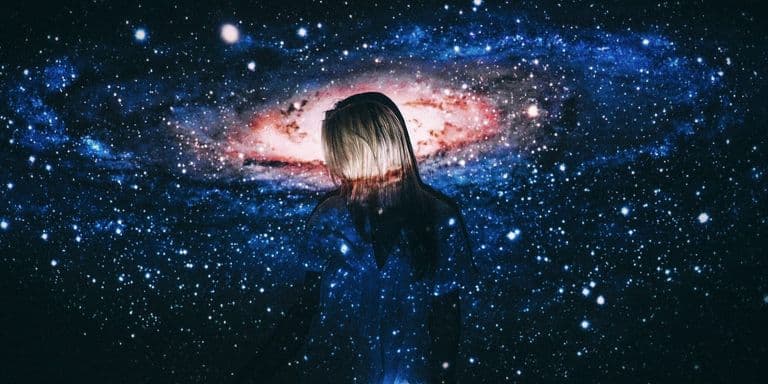
Phenomenology for Artists: Merleau-Ponty's Ideas Applied to Studio Practice
Merleau-Ponty wrote about perception, embodied experience, and how meaning emerges through our bodies encountering the world. His phenomenology gives artists rigorous framework for working with perception as primary material.
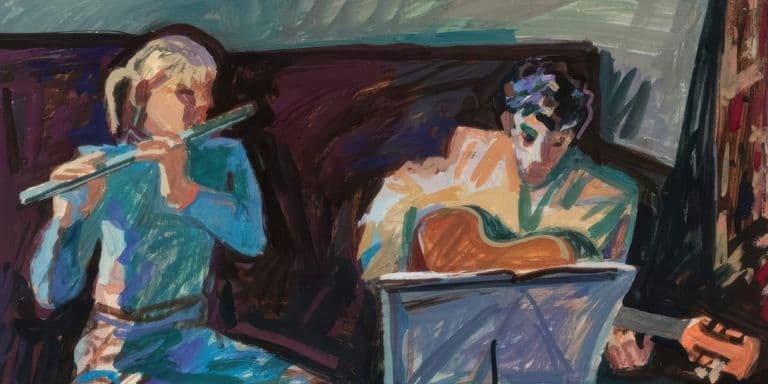
Collaborating With Musicians When You're a Visual Artist
Musicians think temporally. Visual artists think spatially. Successful collaboration requires understanding both practices, communicating clearly without micromanaging, and building relationships where sound and visuals genuinely integrate.
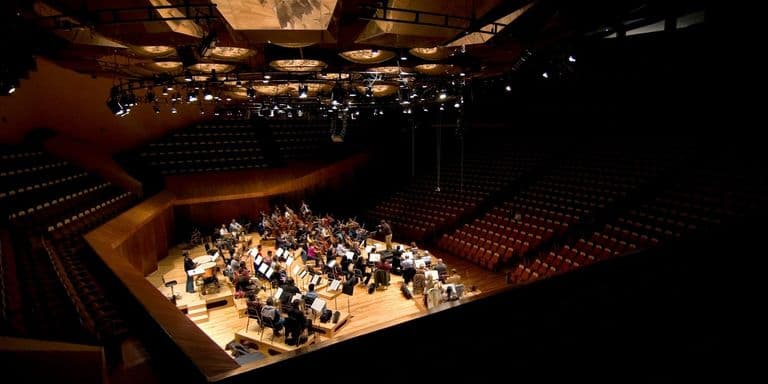
Why Musicians Should Think Like Visual Artists About Space and Installation
Concert halls trap music in time. Installation lets sound occupy space like sculpture. Musicians who think architecturally about acoustics, visitor movement, and site-specificity create work that concerts can't accommodate.